

In der sich schnell entwickelnden Landschaft der industriellen Automatisierung ist die Auswahl des richtigen Fördersystems entscheidend für die Aufrechterhaltung eines hohen Durchsatzes und der Präzision. Für Ingenieure und Betriebsleiter im Jahr 2025 läuft die Debatte oft auf folgende Fragen hinaus Zahnriemenförderer VS Gurtförderer.
Während Standardbandförderer die Arbeitspferde des allgemeinen Transports sind, haben sich Zahnriemensysteme (Synchronförderer) zum Goldstandard für Hochgeschwindigkeits- und Präzisionsmontagelinien entwickelt. In diesem Leitfaden werden die technischen Unterschiede, die Leistungskennzahlen und der ROI beider Systeme analysiert, damit Sie die richtige Wahl für Ihr Werk treffen können.
Inhaltsübersicht

- Was ist der Hauptunterschied?
- Zahnriemenförderer VS Gurtförderer: Leistungsvergleich
- Schlüsselfaktoren für die Hochgeschwindigkeitsproduktion
- Vergleichstabelle: Geschwindigkeit, Präzision und Wartung
- ROI-Analyse: Wann sollte man aufrüsten?
- Hersteller Spotlight: Vitrans Automation
- Zusammenfassung: Die Wahl des richtigen Systems
- Häufig gestellte Fragen (FAQ)
Was ist der Hauptunterschied?
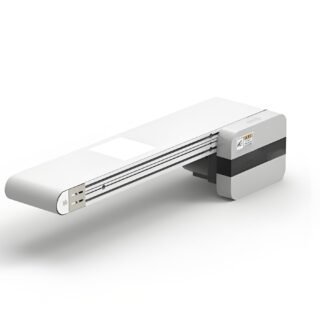
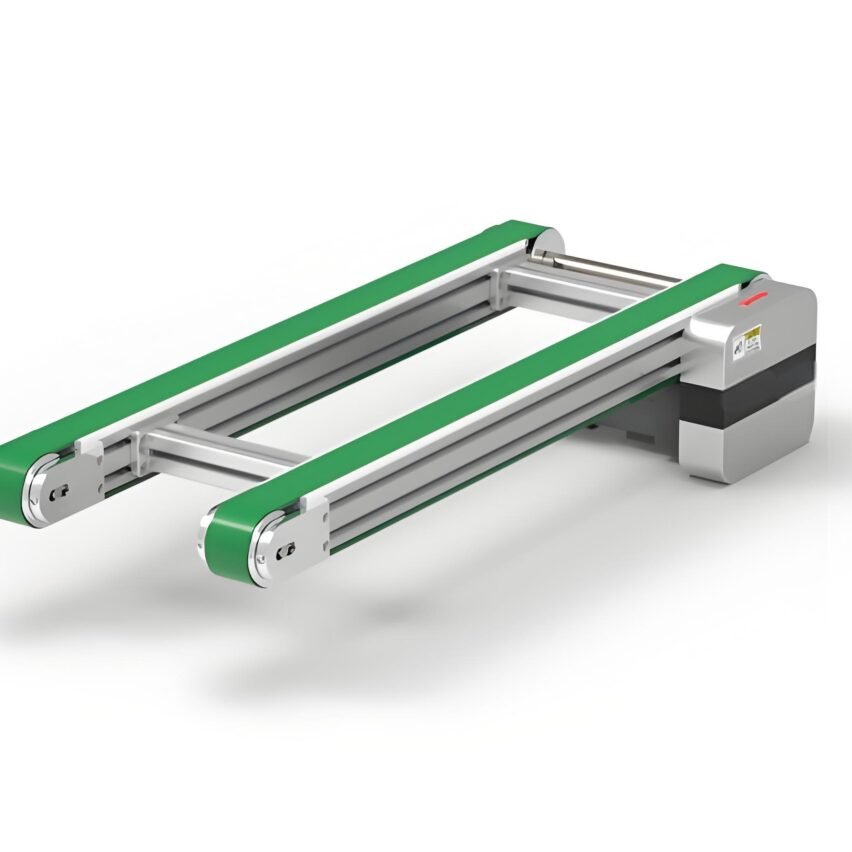
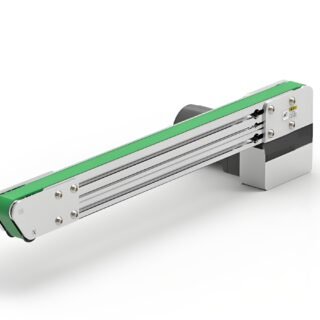

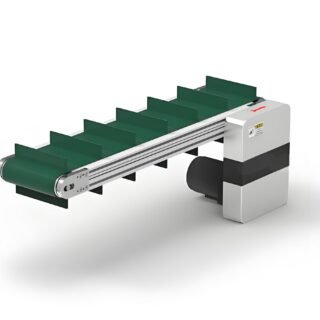


Um eine fundierte Entscheidung treffen zu können, ist es wichtig, die Mechanismen hinter jedem System zu verstehen.
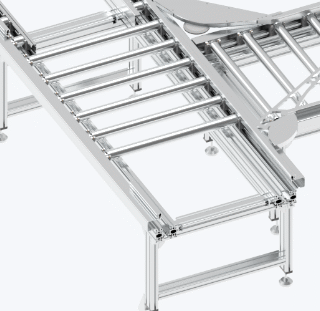
Bandförderer (Reibungsantrieb):
Diese Systeme beruhen auf der Reibung zwischen der Antriebsscheibe und einem Flachriemen. Sie sind kostengünstig und ideal für den einfachen Transport von Gütern, bei dem keine genaue Positionierung erforderlich ist.
- Am besten geeignet für: Allgemeine Logistik, Lagerhaltung und Schüttgutumschlag.
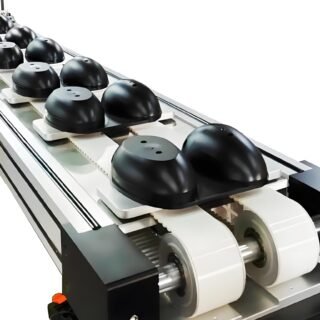
Zahnriemenförderer (positiver Antrieb):
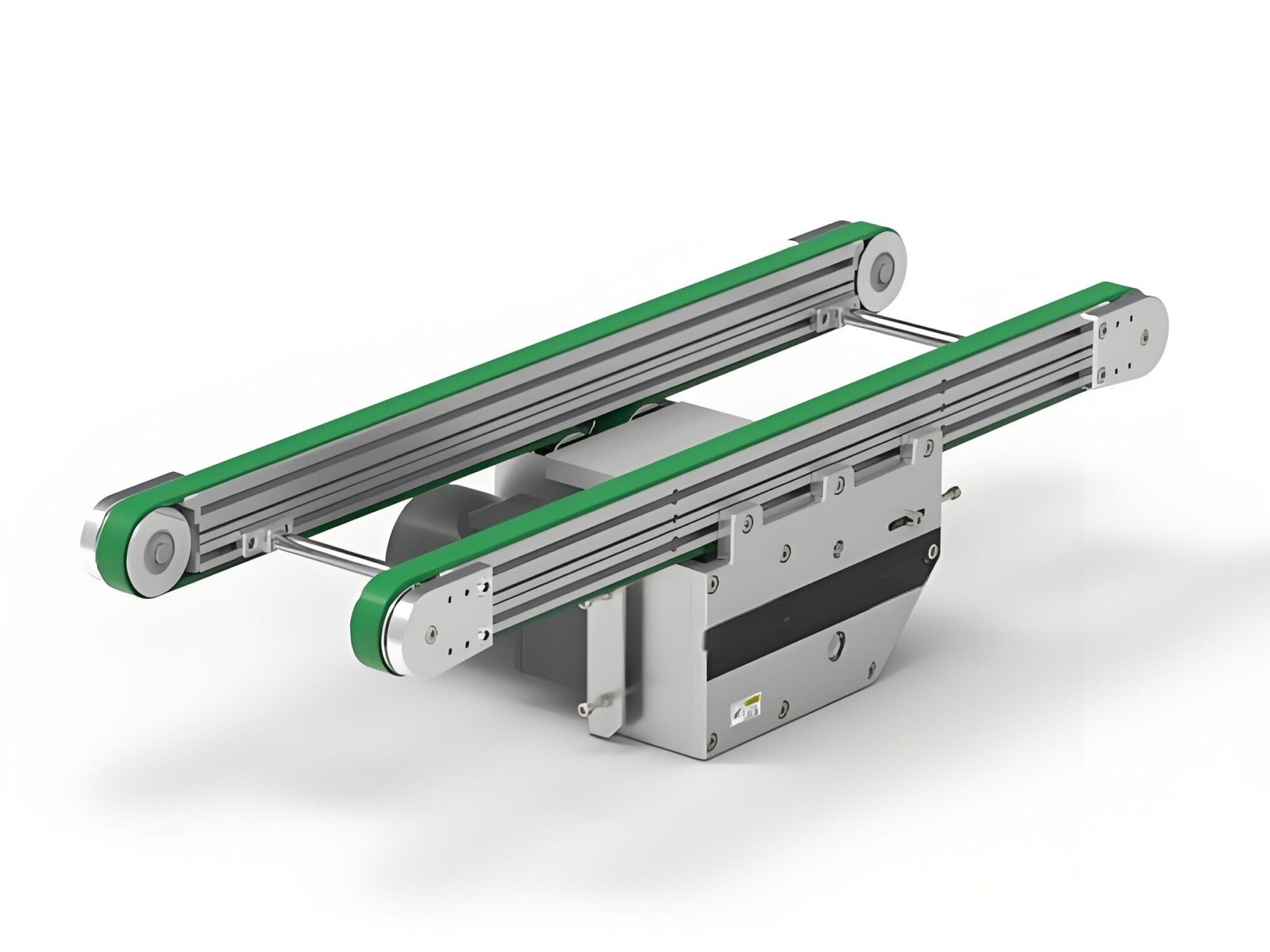
Diese auch als Synchronförderer bezeichneten Förderer verwenden eine Zahnscheibe, die mit einem Zahnriemen (ähnlich einer Fahrradkette) ineinandergreift. Durch diesen “formschlüssigen Antrieb” wird der Schlupf vollständig eliminiert.
- Am besten geeignet für: Robotermontage, automatische Indexierung, Pick-and-Place-Anwendungen und Hochgeschwindigkeitsverpackungen.
Zahnriemenförderer VS Gurtförderer: Leistungsvergleich
1. Geschwindigkeit und Beschleunigung
- Bandförderer: Sie können hohe kontinuierliche Geschwindigkeiten erreichen, sind jedoch anfällig für Schlupf bei schneller Beschleunigung oder Abbremsung. Dies schränkt ihre Effektivität in “Stop-and-Go”-Produktionszyklen ein.
- Zahnriemen-Förderer: Der Zahneingriff ermöglicht eine aggressive Beschleunigung und ein sofortiges Anhalten ohne Verlust der Riemenposition. Dies ist entscheidend für die Produktionsumgebungen des Jahres 2025 mit hoher Taktrate.
2. Positionsgenauigkeit
- Bandförderer: Aufgrund von möglichem Mikroschlupf können Standardbänder nicht garantieren, dass die Teile im Laufe der Zeit genau positioniert werden.
- Zahnriemen-Förderer: Bieten Wiederholbarkeit oft innerhalb ±0,1mm (oder besser). Dieses Präzisionsniveau ist bei der Integration mit Roboterarmen oder Bildverarbeitungsprüfsystemen zwingend erforderlich.
Schlüsselfaktoren für die Hochgeschwindigkeitsproduktion
Bei der Planung einer Produktionslinie für 2025 Standards sind diese technischen Variablen zu berücksichtigen:
- Tragfähigkeit: Zahnriemenförderer, die oft mit Stahl- oder Kevlarkordeln verstärkt sind (wie die Baureihe Vitrans BC2), bewältigen höhere Drehmomente und schwerere Palettenlasten als Standardreibriemen.
- Wartung: Reibriemen müssen regelmäßig nachgeführt und nachgespannt werden. Zahnriemen zeichnen sich dadurch aus, dass sie aufgrund der Konstruktion der Riemenscheiben selbstspurend sind, was die Ausfallzeiten bei der Wartung erheblich reduziert.
- Produktausrichtung: Wenn Ihr Produkt für einen Etikettierer oder Scanner in einer bestimmten Ausrichtung bleiben muss, ist ein Zahnriemen-Palettensystem die einzige zuverlässige Option.
Vergleichstabelle: Geschwindigkeit, Präzision und Wartung
| Merkmal | Standard-Gurtförderer | Zahnriemenförderer (z. B. Vitrans BC2) |
| Antriebsmechanik | Reibung (rutschanfällig) | Positiver Antrieb (kein Schlupf) |
| Positionierungsgenauigkeit | Niedrig | Hoch (±0,1 mm) |
| Hochgeschwindigkeits-Indexierung | Schlecht | Ausgezeichnet |
| Wartungsbedarf | Hoch (Tracking/Spannung) | Niedrig (Selbstverfolgung) |
| Tragfähigkeit | Leicht bis mittel | Mittel bis schwer |
| Anfängliche Kosten | Niedrig | Mäßig |
ROI-Analyse: Wann sollte man aufrüsten?
Während Zahnriemen-Förderer eine etwas höhere Anfangsinvestition haben kann, wird der Return on Investment (ROI) oft innerhalb von 6-12 Monaten erreicht:
- Reduzierte Fehlerquoten: Präzise Indexierung verhindert Montagefehler.
- Erhöhte OEE: Schnellere Zykluszeiten und weniger Ausfallzeiten für die Wartung verbessern die Gesamteffektivität der Anlage.
- Einsparung von Arbeit: Automatisierte Palettensysteme verringern den Bedarf an manueller Handhabung zwischen den Stationen.
Hersteller Spotlight: Vitrans Automation
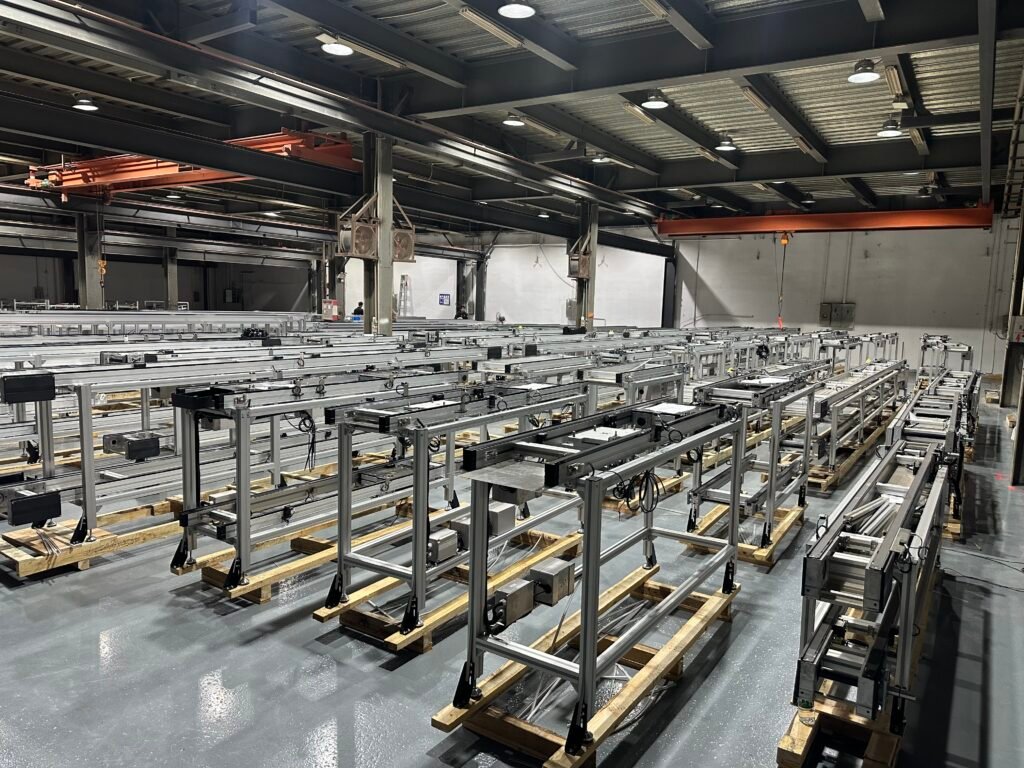
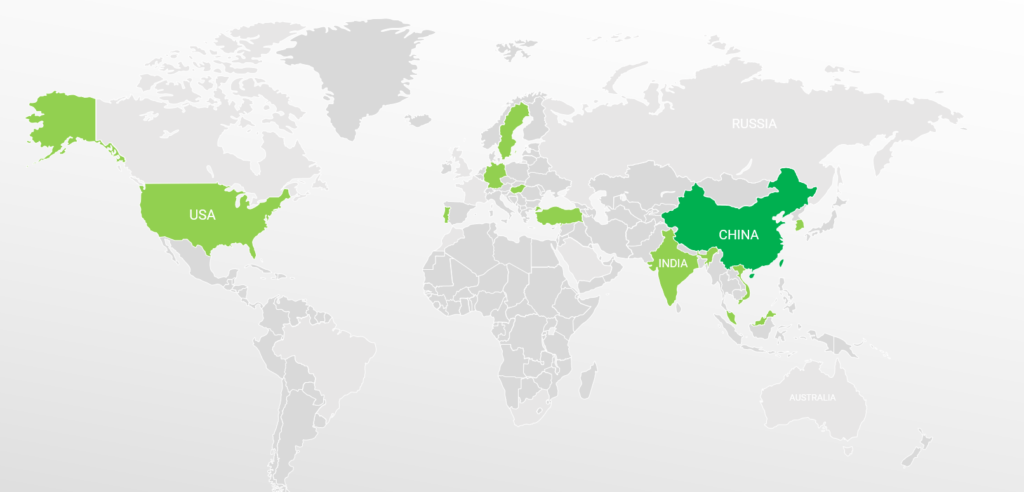
Vitrans Automation Technology Co, Ltd., Vitrans wurde 2010 gegründet und ist ein führender Hersteller, der sich auf hochpräzise Fördersysteme spezialisiert hat. Bekannt für Stabilität und Innovation, bietet Vitrans modulare Lösungen, die mit den großen globalen Marken (wie Bosch Rexroth und FlexLink) kompatibel sind, aber zu einem deutlich wettbewerbsfähigeren Preispunkt.
Warum Vitrans wählen?
- Verlässlichkeit: Die Systeme werden einer strengen 10.000-Stunden-Dauerbetriebstest um die Haltbarkeit zu gewährleisten.
- Kosteneffizienz: Vitrans bietet erstklassige Leistung zu einem Preis von etwa 30% der Kosten von vergleichbaren europäischen Marken.
- Schnelle Lieferung: Die modularen Standardkomponenten ermöglichen einen Versand in nur 3 Wochen.
Ausgewählte Produkte
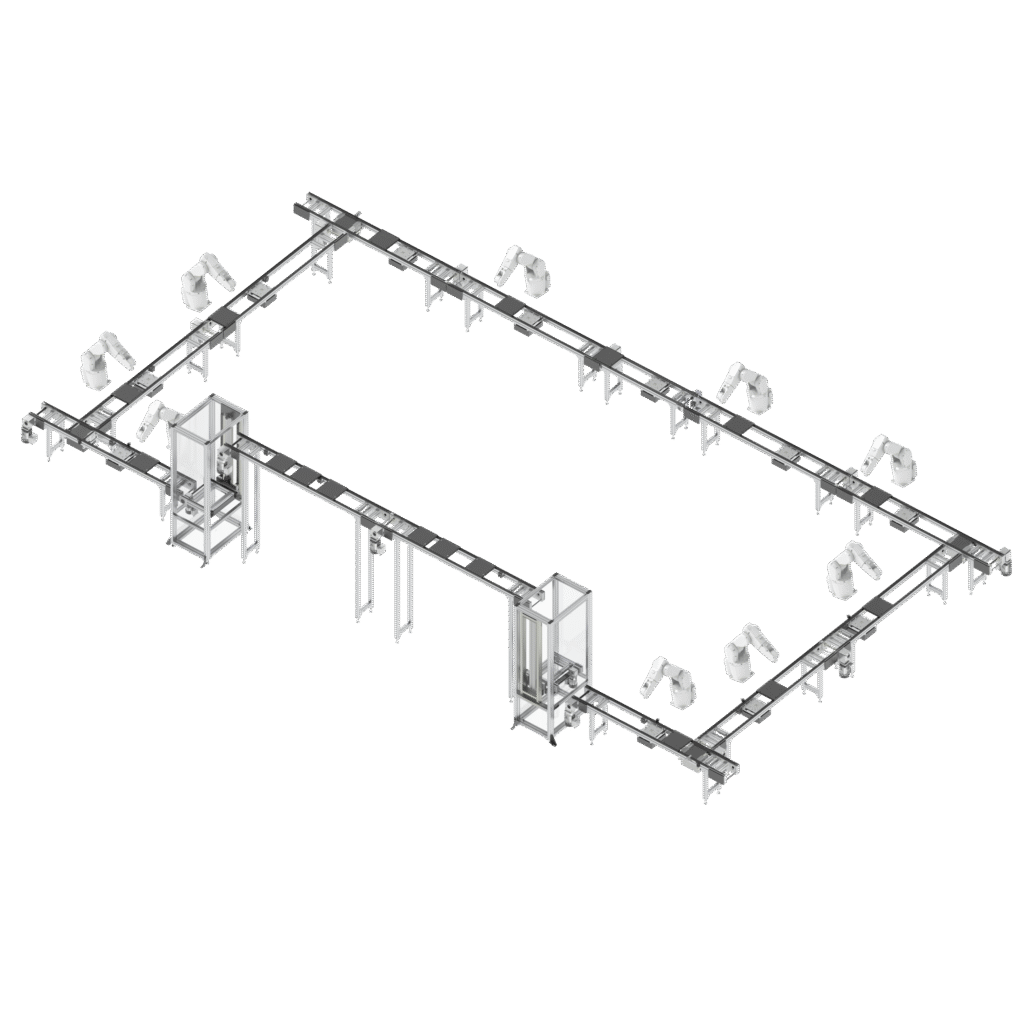
- BC2 Zahnriemen-Palettenförderer: Das Flaggschiff für die Hochgeschwindigkeitsmontage. Sie bietet eine präzise Positionierung (±0,1 mm) und ist ideal für die Batterie-, Automobil- und Elektronikfertigung.
- Standard-Gurtförderer: Anpassbare Flachriemenlösungen für den allgemeinen Transportbedarf.
- Flexible Kettenförderer: Vielseitige Systeme für komplexe Grundrisse und unterschiedliche Höhenlagen.
Zusammenfassung: Die Wahl des richtigen Systems
| Ziel der Produktion | Empfohlenes System | Warum? |
| Einfacher A-nach-B-Transport | Bandförderer | Die kostengünstigste Lösung. |
| Robotermontage | Zahnriemen-Förderer | Erfordert eine präzise Teilepositionierung (±0,1 mm). |
| Hochgeschwindigkeitsverpackungen | Zahnriemen-Förderer | Bewältigt schnelle Starts und Stopps ohne Schlupf. |
| Komplexe Fabriklayouts | Flexibler Kettenförderer | Passt sich an Kurven und Höhenunterschiede an. |
Häufig gestellte Fragen (FAQ)
1. Können Vitrans Zahnriemenförderer Systeme von Bosch Rexroth ersetzen?
Ja. Vitrans Systeme sind modular aufgebaut und oft mit Profilen von großen Marken wie Bosch Rexroth und Dorner kompatibel, was eine nahtlose Alternative zu geringeren Kosten bietet.
2. Wie hoch ist die Lebensdauer eines Zahnriemens?
In einem gut gewarteten System können industrielle Zahnriemen mehrere Jahre lang halten. Vitrans Riemen sind so verstärkt, dass sie einem 24/7-Dauerbetrieb in rauen Umgebungen standhalten.
3. Brauche ich einen Zahnriemen für den einfachen Kistentransport?
Nein. Wenn Sie einfach nur Kartons von einem Packer zu einem Palettierer transportieren, ohne eine Präzisionsindexierung vorzunehmen, ist ein Standardbandförderer die wirtschaftlichere Wahl.
4. Wie schnell können Vitrans-Förderer fahren?
Vitrans Palettensysteme erreichen typischerweise Geschwindigkeiten von 18m/min oder schneller, je nach spezifischem Modell und Lastanforderungen.
Sind Sie bereit, Ihre Produktionslinie zu optimieren?
Wenden Sie sich noch heute an Vitrans, wenn Sie ein Angebot wünschen oder unseren Produktkatalog 2025 herunterladen möchten.
Besuch: www.vitrans-conveyor.com