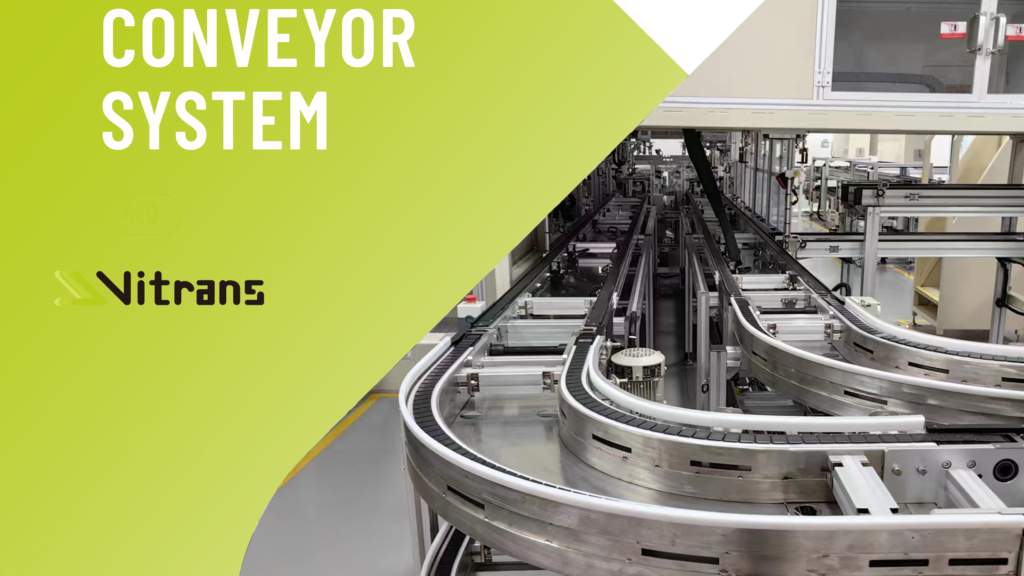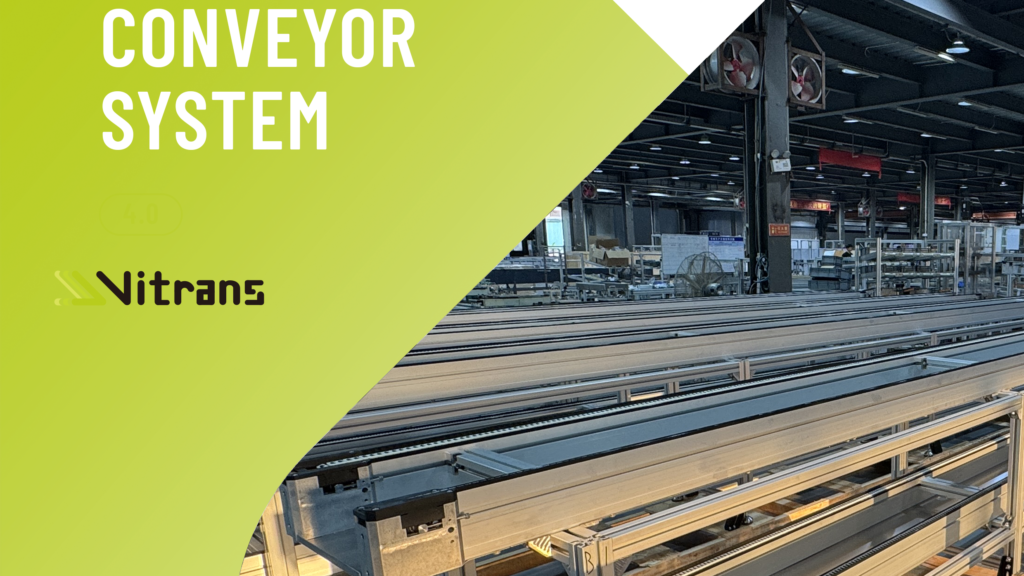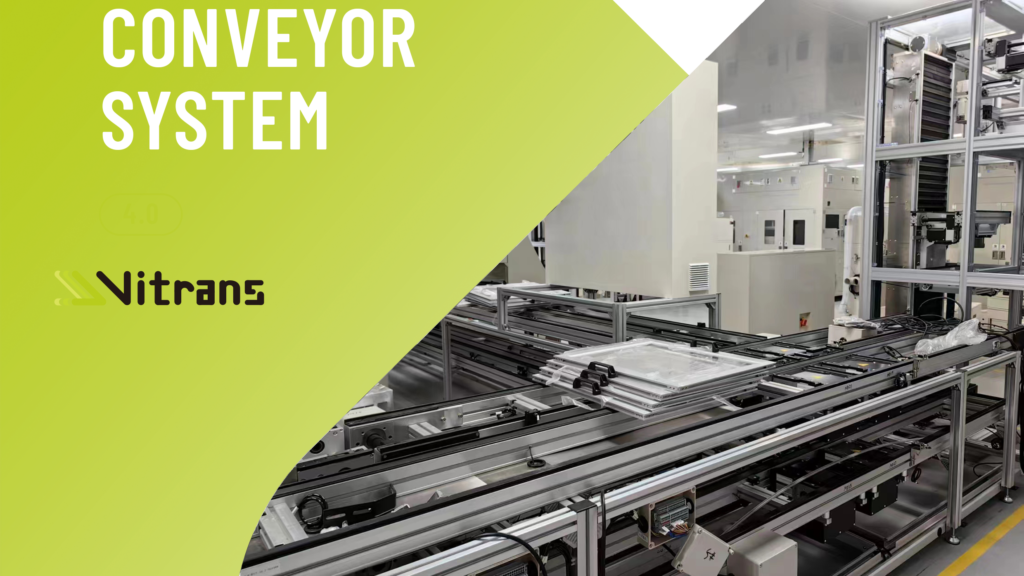


Dans le paysage en évolution rapide de l'automatisation industrielle, le choix du bon système de convoyage est essentiel pour maintenir un débit et une précision élevés. Pour les ingénieurs et les gestionnaires d'installations en 2025, le débat se résume souvent aux questions suivantes Convoyeurs à bande cadencée VS Convoyeurs à bande.
Alors que les convoyeurs à bande standard sont les bêtes de somme du transport général, les systèmes à courroie dentée (convoyeurs synchrones) sont devenus l'étalon-or des lignes d'assemblage de précision à grande vitesse. Ce guide analyse les différences techniques, les mesures de performance et le retour sur investissement des deux systèmes pour vous aider à faire le bon choix pour votre usine.
Table des matières

- Quelle est la différence fondamentale ?
- Convoyeurs à bande cadencée VS Convoyeurs à bande : Comparaison des performances
- Facteurs clés de la production à grande vitesse
- Tableau de comparaison : Vitesse, précision et entretien
- Analyse du retour sur investissement : Quand passer à la vitesse supérieure ?
- Pleins feux sur les fabricants : Vitrans Automation
- Résumé : Choisir le bon système
- Foire aux questions (FAQ)
Quelle est la différence fondamentale ?
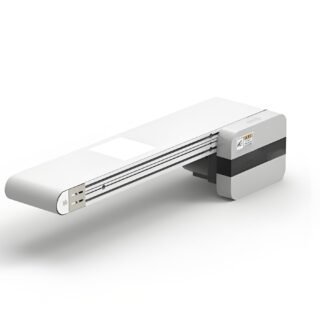
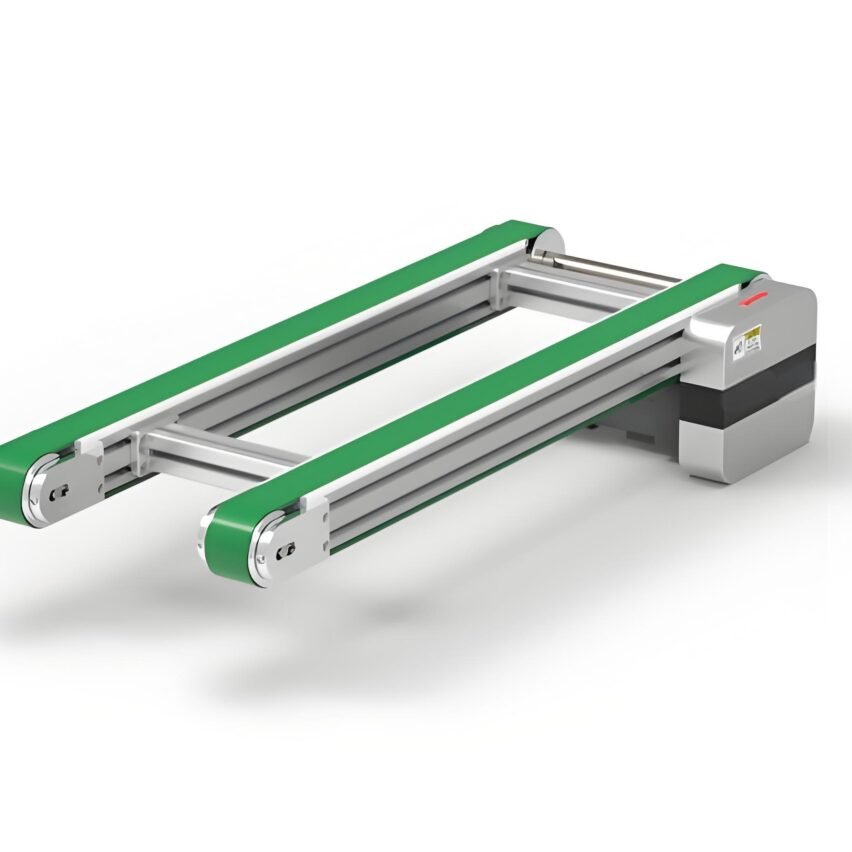
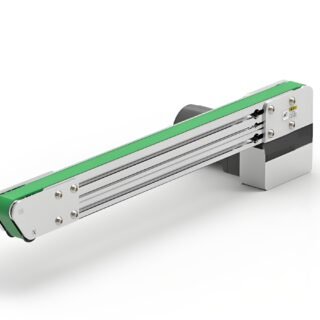

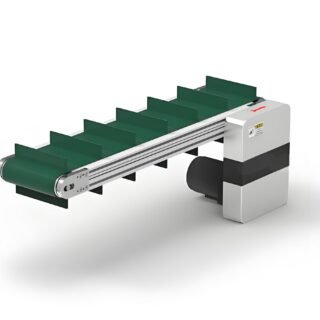
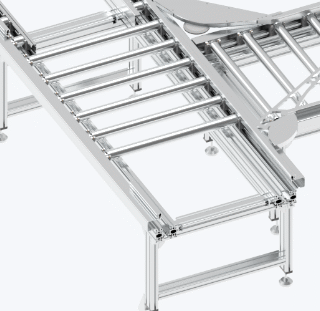
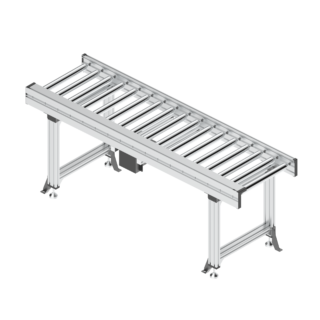

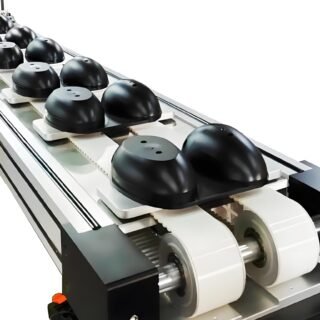
Pour prendre une décision éclairée, il est essentiel de comprendre les mécanismes de chaque système.
Convoyeurs à bande (entraînement par friction) :
Ces systèmes reposent sur la friction entre la poulie d'entraînement et une courroie plate. Ils sont rentables et idéaux pour le transport simple de marchandises, lorsqu'un positionnement précis n'est pas nécessaire.
- Meilleur pour : Logistique générale, entreposage et manutention de matériaux en vrac.
Convoyeurs à courroie dentée (entraînement positif) :
Également connus sous le nom de convoyeurs synchrones, ils utilisent une poulie dentée qui s'engrène avec une courroie dentée (semblable à une chaîne de vélo). Ce mécanisme d“”entraînement positif" élimine totalement le glissement.
- Meilleur pour : Assemblage robotisé, indexation automatisée, applications "pick-and-place" et emballage à grande vitesse.
Convoyeurs à bande cadencée VS Convoyeurs à bande : Comparaison des performances
1. Vitesse et accélération
- Convoyeurs à bande : Ils peuvent atteindre des vitesses continues élevées, mais sont sujets au glissement en cas d'accélération ou de décélération rapide. Cela limite leur efficacité dans les cycles de production “stop-and-go”.
- Convoyeurs à courroie dentée : L'engagement denté permet une accélération agressive et un arrêt instantané sans perte de position de la courroie. Cette caractéristique est essentielle pour les environnements de fabrication à cycle élevé de 2025.
2. Précision de positionnement
- Convoyeurs à bande : En raison du risque de micro-glissement, les courroies standard ne peuvent pas garantir un positionnement précis des pièces dans le temps.
- Convoyeurs à courroie dentée : Offrir une répétabilité souvent dans les limites de ±0,1 mm (ou mieux). Ce niveau de précision est obligatoire lors de l'intégration avec des bras robotisés ou des systèmes d'inspection par vision.
Facteurs clés de la production à grande vitesse
Lors de la conception d'une ligne de production pour les normes 2025, il faut tenir compte de ces variables techniques :
- Capacité de charge : Les convoyeurs à courroie dentée, souvent renforcés par des cordes d'acier ou de Kevlar (comme le Série Vitrans BC2), supportent un couple plus élevé et des charges de palettes plus lourdes que les courroies de friction standard.
- Entretien : Les courroies de friction nécessitent des ajustements et des tensions régulières. Les courroies dentées se distinguent par le fait qu'elles sont autosuiveuses grâce à la conception de la poulie, ce qui réduit considérablement les temps d'arrêt pour entretien.
- Orientation du produit : Si votre produit doit rester dans une orientation spécifique pour une étiqueteuse ou un scanner, un système de palettes à courroie crantée est la seule option fiable.
Tableau de comparaison : Vitesse, précision et entretien
| Fonctionnalité | Convoyeur à bande standard | Convoyeur à courroie crantée (par exemple, Vitrans BC2) |
| Mécanisme d'entraînement | Friction (propice au glissement) | Entraînement positif (sans glissement) |
| Précision du positionnement | Faible | Haut (±0,1 mm) |
| Indexation à grande vitesse | Pauvre | Excellent |
| Besoins d'entretien | Haut (suivi et tension) | Faible (autosurveillance) |
| Capacité de charge | Léger à moyen | Moyen à lourd |
| Coût initial | Faible | Modéré |
Analyse du retour sur investissement : Quand passer à la vitesse supérieure ?
Tandis que Convoyeurs à courroie dentée peut nécessiter un investissement initial légèrement plus élevé, le retour sur investissement (ROI) est souvent réalisé dans les 6 à 12 mois qui suivent :
- Réduction des taux de défectuosité : L'indexation précise évite les erreurs d'assemblage.
- Augmentation de l'OEE : Des temps de cycle plus rapides et moins de temps d'arrêt pour la maintenance améliorent l'efficacité globale de l'équipement.
- Économies de main-d'œuvre : Les systèmes de palettes automatisés réduisent le besoin de manutention manuelle entre les stations.
Pleins feux sur les fabricants : Vitrans Automation
Vitrans Automation Technology Co., Vitrans, fondée en 2010, est un fabricant de premier plan spécialisé dans les systèmes de convoyage de haute précision. Reconnu pour sa stabilité et son innovation, Vitrans propose des solutions modulaires compatibles avec les grandes marques mondiales (comme Bosch Rexroth et FlexLink), mais à un prix nettement plus compétitif.
Pourquoi choisir Vitrans ?
- Fiabilité : Les systèmes font l'objet d'un Test de fonctionnement continu de 10 000 heures pour garantir la durabilité.
- Le rapport coût-efficacité : Vitrans offre des performances de premier ordre à un prix d'environ 30% du coût des marques européennes comparables.
- Livraison rapide : Les composants modulaires standard permettent une expédition en 3 semaines seulement.
Produits vedettes
- Convoyeur à palettes à courroie crantée BC2: La solution phare pour l'assemblage à grande vitesse. Elle se caractérise par un positionnement précis (±0,1 mm) et est idéale pour la fabrication de batteries, l'automobile et l'électronique.
- Convoyeurs à bande standard : Solutions de bandes plates personnalisables pour les besoins de transport généraux.
- Convoyeurs à chaîne flexible : Des systèmes polyvalents pour des aménagements complexes et des élévations variables.
Résumé : Choisir le bon système
| Objectif de production | Système recommandé | Pourquoi ? |
| Transport simple de A à B | Convoyeur à bande | La solution la plus rentable. |
| Assemblage robotique | Convoyeur à courroie crantée | Nécessite une localisation précise des pièces (±0,1 mm). |
| Emballage à grande vitesse | Convoyeur à courroie crantée | Gère les démarrages/arrêts rapides sans glissement. |
| Implantations complexes d'usines | Convoyeur à chaîne flexible | S'adapte aux virages et aux changements d'altitude. |
Foire aux questions (FAQ)
1. Les convoyeurs à courroie dentée Vitrans peuvent-ils remplacer les systèmes Bosch Rexroth ?
Oui. Les systèmes Vitrans sont conçus dans un esprit de modularité et sont souvent compatibles avec les profils de grandes marques telles que Bosch Rexroth et Dorner, offrant ainsi une alternative transparente à moindre coût.
2. Quelle est la durée de vie d'une courroie de distribution ?
Dans un système bien entretenu, les courroies dentées industrielles peuvent durer plusieurs années. Les courroies Vitrans sont renforcées pour résister à un fonctionnement continu 24 heures sur 24 et 7 jours sur 7 dans des environnements difficiles.
3. Ai-je besoin d'une courroie de distribution pour le transport d'une simple boîte ?
Non. Si vous déplacez simplement des boîtes d'une emballeuse à un palettiseur sans indexation de précision, un convoyeur à bande standard est le choix le plus économique.
4. Quelle est la vitesse des convoyeurs Vitrans ?
Les systèmes de palettes Vitrans peuvent typiquement atteindre des vitesses de 18m/min ou plus, en fonction du modèle et des exigences de charge.
Prêt à optimiser votre chaîne de production ?
Contactez Vitrans dès aujourd'hui pour obtenir un devis ou pour télécharger notre catalogue de produits 2025.
Visitez : www.vitrans-conveyor.com