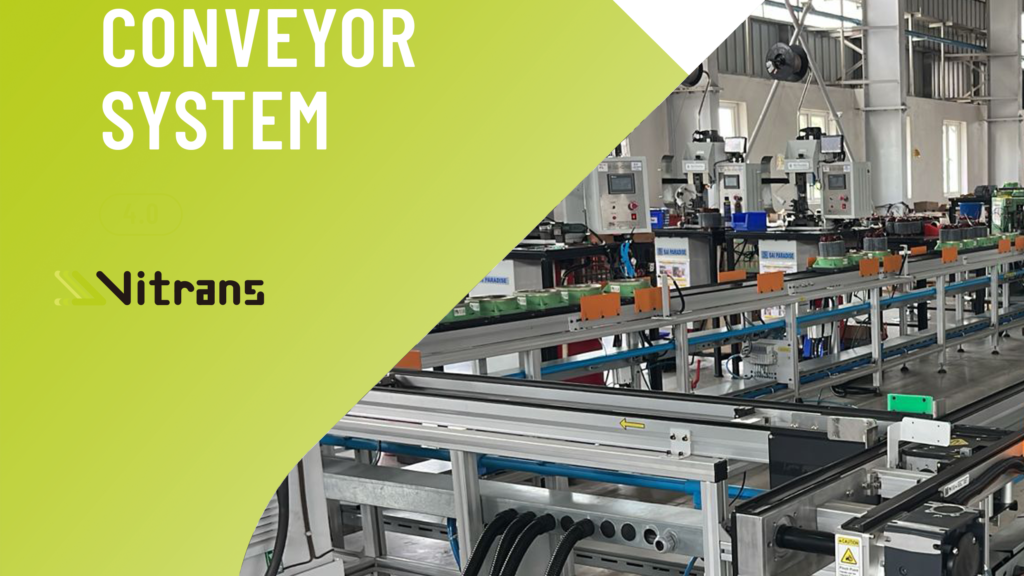


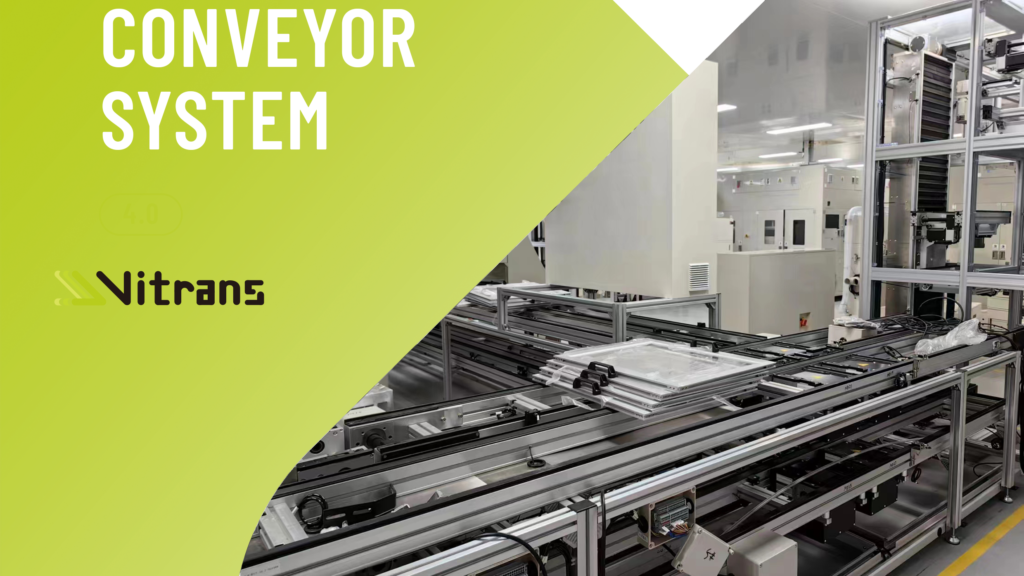
Double-speed chain conveyors are widely adopted in automated assembly, material handling and intelligent production lines due to their high positioning accuracy, stable cyclic operation and flexible layout compatibility. Their service life and long-term operational stability directly determine line uptime, production consistency and overall operational costs. Based on practical engineering experience, this article systematically summarizes standardized design, installation, commissioning, maintenance and operational specifications to effectively prolong the service cycle of free flow conveying equipment.
1. Optimized Type Selection and Systematic Design
Reasonable upfront selection and structural design constitute the fundamental premise for long-term stable operation of free flow conveyors.
1.1 Accurate Load Verification and Margin Reservation
Engineers shall accurately calculate key load parameters, including maximum single-workpiece weight, linear load per unit length and dynamic impact load generated during loading and operation. A reasonable safety margin must be reserved during equipment selection to prevent long-term full-load or overloaded operation, which causes accelerated fatigue wear and structural deformation of chains and rollers.
1.2 Reasonable Matching of Conveying Speed and Production Tact
The operating speed shall be configured according to the actual production cycle and process requirements. Sustained high-speed operation for blind throughput improvement will intensify frictional loss of chains, guide rails and rolling components, leading to premature failure and shortened service life.
1.3 Application-Oriented Material Selection
Material configuration must match the actual production environment and load conditions:
- Chaîne: Stainless steel free flow chains are recommended for humid environments and scenarios with corrosive liquid or volatile corrosive gas to achieve rust resistance and chemical stability.
- Rollers & Guide Rails: High-wear-resistant engineering plastic or surface-hardened steel materials shall be adopted to reduce continuous frictional loss.
- Pallets: The material grade and plate thickness are determined based on actual bearing load, contact friction and process requirements to ensure structural rigidity and surface durability.
1.4 Scientific Line Layout Optimization
The overall layout shall minimize sharp bends and steep climbing sections. Where curved transition is structurally necessary, dedicated bend chains and standardized turning radius shall be applied to avoid excessive lateral stress and unilateral friction on the chain, preventing abnormal wear and chain deviation.
2. Standardized Installation and Precision Commissioning
Installation accuracy and commissioning quality directly affect the operating stability and wear cycle of the entire conveyor system.
2.1 High-Precision Frame and Rail Installation
The main frame shall be installed with strict levelness and linearity to prevent chain deviation during cyclic operation. The dual-side guide rails must be kept parallel with consistent spacing; asymmetric rail gaps will cause unilateral over-wear, chain jamming and operational stagnation.
2.2 Precise Chain Tension Adjustment
The tensioning device shall be calibrated to maintain optimal chain tightness. Excessively tight chain tension increases operating resistance, raises motor load and accelerates abrasion of chains and bearings. Overly loose tension leads to chain bouncing, track derailment and chain climbing during operation.
2.3 Full-Line Pre-Operation Inspection
After completing mechanical assembly, full-line manual jogging inspection is required to eliminate mechanical interference, stuck points and assembly abnormalities. Power-on trial operation can only be conducted after confirming unobstructed manual operation.
3. Systematic Routine Maintenance and Technical Upkeep
Scientific periodic maintenance is the core measure to maintain long-term stability and extend the service life of free flow conveyors.
3.1 Regular Lubrication Management
Standardized lubrication effectively reduces internal friction between chain components, suppresses abrasive wear and prevents oxidation and rusting, which is essential for continuous stable operation of transmission parts.
3.2 Timely Surface Cleaning and Contamination Removal
Residual processing debris, industrial oil stains and accumulated dust on chains and guide rails must be cleaned regularly. Hard particles and contaminants will significantly accelerate fatigue wear of moving parts and reduce overall operational accuracy.
3.3 Periodic Inspection and Dynamic Adjustment
Enter standardized inspection cycles for key components and operating status:
- Check operating sound and running stability before each startup to identify abnormal vibration and noise in advance.
- Sample and measure chain pitch elongation; replace the chain assembly when the elongation rate exceeds 2% compared with the new state.
- Inspect roller rotation flexibility and surface integrity to eliminate jamming and structural damage.
- Check the wear degree of guide rail working surfaces, especially curved rail sections with high friction frequency.
- Verify the effectiveness of the tensioning mechanism and recalibrate chain tightness regularly.
- Inspect and fasten bolts at all connection and mounting positions to prevent structural offset caused by loose fasteners.
- Timely replace failed wearing parts such as sealing components, severely worn rollers and abraded guide rails.
-
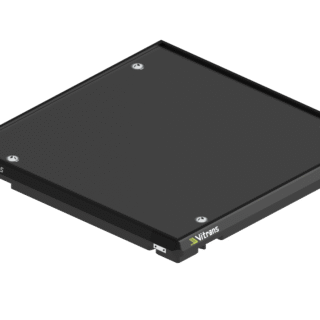 Convoyeur Palette
 -
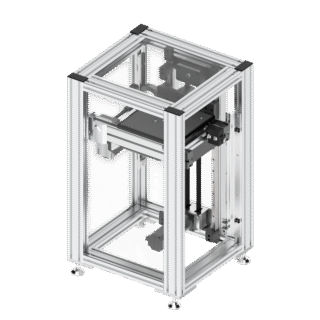 LP/B Servo Pallet Lifter
 -
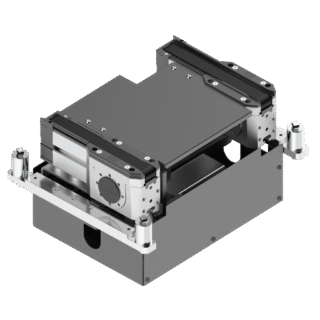 Unité transversale pour palettes ET2/B
 -
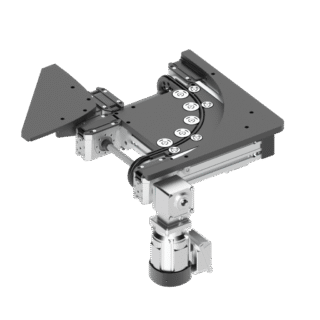 Courbe de convoyeur à bande KV2/90 degrés
 -
.1-320x320.png) CV2/180 Degree Flat Top Chain Conveyor Curve (courbe de convoyeur à chaîne à sommet plat)
CV2/180 Degree Flat Top Chain Conveyor Curve (courbe de convoyeur à chaîne à sommet plat) -
 Convoyeur à palettes à bande plate FC2
 -
 Convoyeur à palettes à chaîne en plastique PC2/Convoyeur à flux libre
 -
 Convoyeur à palettes à chaîne à rouleaux AC2/convoyeur à flux libre
 -
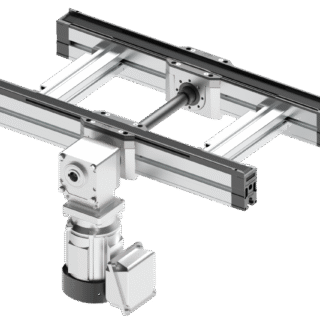 BC2 Convoyeur à palettes à courroie crantée/convoyeur à flux libre
4. Standardized Operational Specifications
Compliant on-site operation avoids artificial abnormal load and structural damage, reducing unnecessary equipment loss.
4.1 Gentle and Standard Loading
Free-fall dropping of workpieces is prohibited to avoid instantaneous impact load, which causes local fatigue damage to pallets, chains and rails.
4.6 Uniform Workpiece Distribution
Workpieces shall be evenly arranged on the conveying surface to prevent concentrated partial load and asymmetric stress distribution on the line body.
4.3 Strict Prohibition of Non-Standard Operation
Stepping on the conveyor line body and placing irrelevant heavy objects on the conveying path are strictly forbidden to avoid structural deformation and mechanical failure.
4.4 Timely Shutdown for Abnormal Conditions
Once abnormal noise, irregular vibration or mechanical jamming occurs during operation, the equipment shall be shut down immediately for inspection and troubleshooting. Forced operation under faulty conditions is prohibited, so as to avoid secondary damage to transmission and structural components.
5. Monitoring and Timely Replacement of Key Wearing Components
The service life of free flow conveyors is largely determined by the operating status of core wearing parts. Long-term dynamic monitoring and scientific replacement cycles are required:
- Transmission Chain: Monitor chain abrasion and elongation in real time to ensure the load capacity matches process requirements.
- Speed-Differential Rollers: As the core functional components for double-speed operation, rollers must maintain flexible rotation; worn or stuck rollers shall be replaced promptly.
- Guide Rail: Regularly inspect the working surface for wear grooves, scratches and deformation to guarantee stable linear and cyclic conveying accuracy.
- Drive Sprocket: Worn sprockets will cause poor meshing with chains, resulting in unstable operation and vibration. Synchronized inspection and replacement with chains are required.
- Motor & Reducer: Periodically check lubricant status and operating sound to ensure stable power output and eliminate abnormal mechanical vibration.
Conclusion
The long-term stable operation of free flow conveyors relies on standardized design selection, precision installation and commissioning, scientific maintenance management and compliant operational control. Full-process standardized management can effectively reduce component wear, lower failure rate and maintenance costs, and maximize the overall service life and operational efficiency of automated conveying lines.