

はじめに
If your factory or warehouse relies on frequent palletized goods movement, selecting the right pallet conveyor system is a critical decision. The right system can improve throughput, reduce manual labor, minimize damage to goods, and streamline material flow — while the wrong choice can lead to frequent breakdowns, bottlenecks, high maintenance costs, or inefficient layouts. In this guide, we walk you through how to choose the proper pallet conveyor system for your facility: what factors to evaluate, how to match system type to application, and how to make cost-vs-benefit comparisons.
What Is a Pallet Conveyor System?
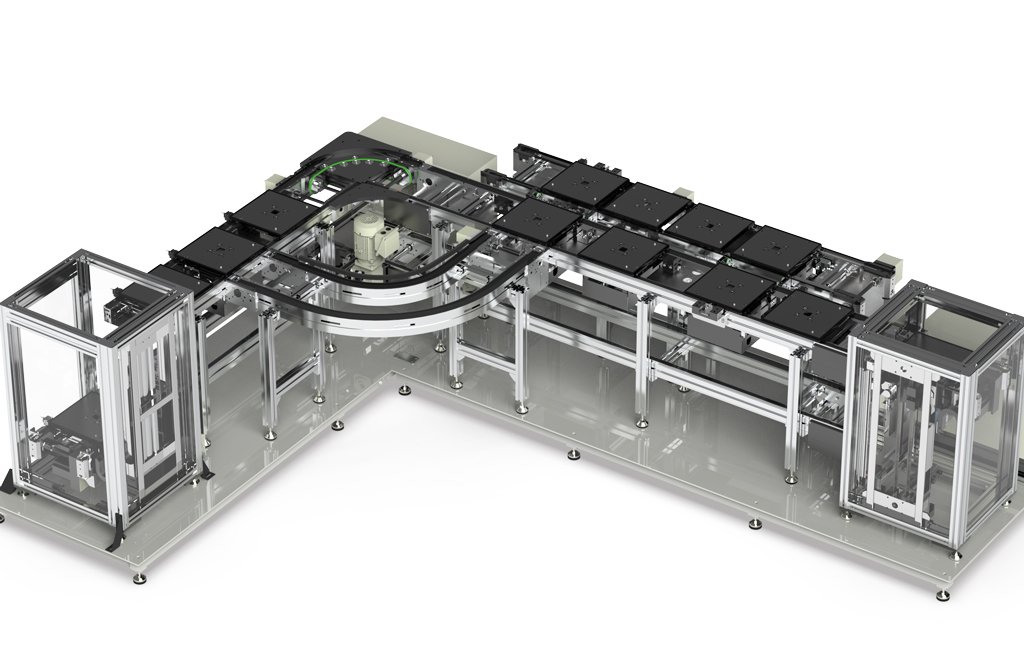
A pallet conveyor system is a material-handling solution designed to transport palletized goods (pallets loaded with boxes, crates, containers, or bulk items) across different areas of a factory, warehouse, or distribution center. Rather than moving individual items manually or with forklifts for each step, a pallet conveyor automates the movement of full pallets — allowing continuous, smooth, and controlled transport. Mecalux+2Interroll Group+2
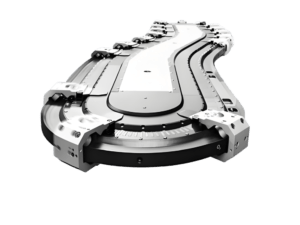
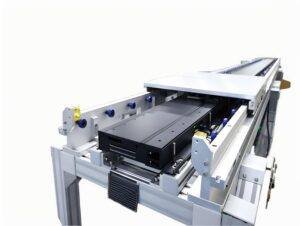
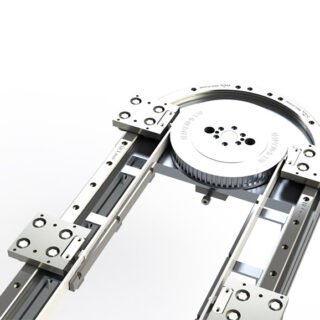
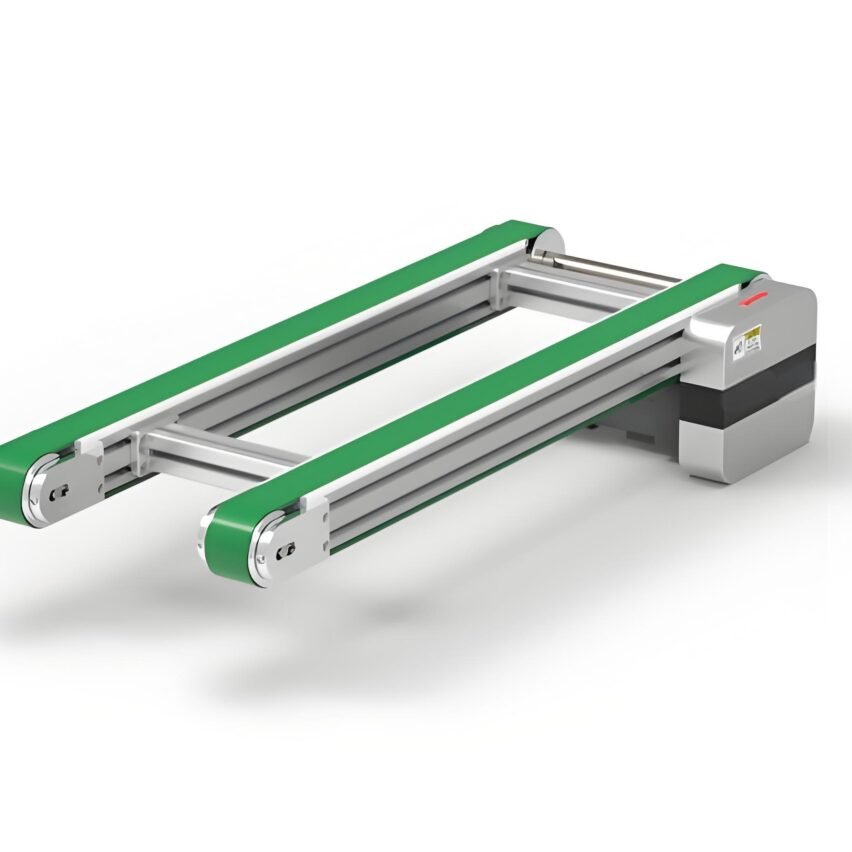
Pallet conveyors can come in various configurations (chain-driven, roller-based, pallet-on-sprocket, sliding-bed, etc.), depending on load requirements, space, and application. Mecalux+2Industrial Automation+2
These systems are widely used in manufacturing plants, warehouses, logistics centers, distribution hubs — anywhere pallet loads need reliable, repeatable transport. Mecalux+2Industrial Automation+2



Key Factors to Consider When Choosing a Pallet Conveyor System
Before selecting a conveyor, it’s essential to assess several critical factors. Skipping these can lead to suboptimal choices, system inefficiencies, or frequent maintenance needs.
1. Load Characteristics: Weight, Size, Shape
What kind of loads will your conveyor handle? Heavy machinery parts, bulky crates, standard pallets, or light goods in boxes? The weight, size, shape, and center-of-gravity of pallets determine whether you need heavy-duty chain-driven conveyors, roller conveyors, or lighter-duty systems. Sanhok+2BE&E+2
For example, heavy or bulky loads often require robust chain or pallet conveyors with strong metal frames, whereas light loads may work fine with roller or belt conveyors. East Coast Storage Equipment Co.+1
2. Throughput & Operational Requirements
How many pallets per hour/day does your facility need to move? Are there peak periods? Do you need accumulation zones, buffering, sorting, or incline/decline transport? You need a system that matches your throughput demands — from modest logistic flows to high-speed automated lines. East Coast Storage Equipment Co.+1
Also consider whether the conveyor will be part of a partially or fully automated workflow (e.g. integration with palletizers, sorters, automated storage). Diamond Phoenix+1
3. Layout, Space & Factory Floor Constraints
The physical space and layout constraints significantly influence what conveyor type and configuration you can install. Key considerations: available floor footprint, ceiling height, inlet/outlet elevations, need for curves or inclines, integration with existing equipment, and forklift or worker access pathways. Processing Magazine+2Hapman+2
Installing a conveyor without evaluating footprint or layout often leads to costly retrofitting or inefficient material flow. Hapman+1
4. Environment & Operating Conditions
Is your factory clean and air-conditioned? Or dusty, humid, hot, or exposed to chemicals or moisture? Environmental conditions — temperature, humidity, dust, potential corrosion — can affect the conveyor’s materials and durability. Processing Magazine+2Kreafolk+2
For harsh environments, selecting conveyors with suitable materials, protective coatings, or sealing is essential to avoid premature wear or failure. Kreafolk+1
5. Maintenance, Reliability & Total Cost of Ownership (TCO)
Beyond initial purchase cost, you should evaluate maintenance requirements, spare parts availability, ease of repair, expected lifespan, and potential downtime. A robust conveyor might cost more upfront but save significantly on maintenance and downtime over years. Diamond Phoenix+2EBM Machine+2
Also consider the manufacturer’s reputation, service support, and whether the conveyor parts (chains, rollers, pallets) are easy to replace. Diamond Phoenix+1
6. Automation & Integration Capability
If your facility aims at automation or has existing automated systems (e.g. pallet stackers, AS/RS, robotic sorters), you need a conveyor system compatible with automation — including sensors, controls, pneumatic/hydraulic lifts, accumulation zones, and integration interfaces. Diamond Phoenix+1
Selecting a pallet conveyor system with modular design and automation readiness helps future-proof your material handling setup. Mecalux+1
7. Budget & Return on Investment (ROI)
Balance initial investment vs long-term operational cost. Evaluate installation cost, maintenance, energy consumption, labor savings, downtime reduction, and throughput improvements. A good conveyor system delivers value over its lifespan. EBM Machine+2Hapman+2
Pallet Conveyor Types & How to Match Them to Your Needs
Different pallet conveyor system types suit different needs. Here’s a simplified overview:
| コンベアタイプ | 最適 | 主な強み | Use-Case Examples |
|---|---|---|---|
| Heavy-Duty Chain / Pallet Conveyor | Heavy / bulky / high-load pallets; harsh environments | High load capacity; stable handling; durable; good for continuous heavy-duty use | Automotive parts transport, metalworking, heavy machinery plants |
| Roller-Based Pallet Conveyor | Medium loads, boxed goods, distribution centers | Smooth transport, cost-effective, easy maintenance | Warehouses, general logistics, packaged goods |
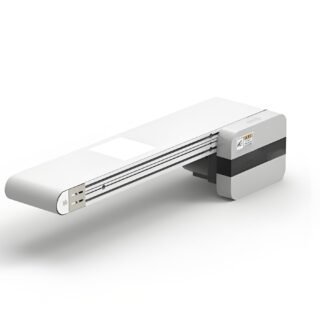
| Belt-Driven Pallet Conveyor | Lighter pallet loads, clean environments | Quiet, smooth, suitable for light-to-medium loads | Food processing, light manufacturing, clean warehouses |
选择时,将 产品负载要求 + 操作频率 + 环境 + 预算 与上表匹配,即可大致判断哪种系统最适合你。
Quick Comparison — What Works When
| Scenario / Requirement | Best Conveyor Type to Consider |
|---|---|
| Heavy pallets, high load, continuous use | Heavy-Duty Chain / Pallet Conveyor |
| Medium load, mixed pallet sizes, warehouse flow | Roller-Based Pallet Conveyor |
| Light to medium load, need quiet / clean operation | Belt-Driven Pallet Conveyor |
| Automated system, integration with robots / stackers | Modular pallet conveyors with automation support |
| Limited space, curves/inclines needed | Modular pallet conveyors or configurable roller conveyors |
Recommended Selection Process — Step-by-Step Guide
- List your load specs — weight, pallet size, load distribution, frequency, fragility.
- Map your facility layout — available floor/ceiling space, material flow paths, lifts/inclines, loading/unloading zones.
- Check environment conditions — dust, moisture, temperature, chemical exposure.
- Decide required throughput & automation level — how many pallets per hour, buffer zones, integration needs.
- Estimate total cost of ownership (TCO) — initial cost + installation + maintenance + energy + labor savings.
- Shortlist conveyor types and suppliers — verify reliability, after-sales support, spare parts availability.
- Request layout simulation / site assessment — ensure conveyor fits and works efficiently in your real environment.
- Plan for future scalability — pick modular systems if you expect changes in load, layout, or automation.