

In the high-stakes environment of automated production, the conveyor system is often the most overlooked component—until it stops. As an engineer who has spent years on factory floors, I’ve seen how a $50 bearing failure on a legacy conveyor can snowball into thousands of dollars in lost throughput within an hour.
Most facilities are still wrestling with “monolithic” conveyor designs—heavy, welded structures that are notoriously difficult to service. If you’re seeing frequent stops on your line, it’s likely not a ghost in the machine, but a fundamental design flaw.
Here’s a breakdown of the most common conveyor failures we encounter in automation and how modular system architecture is effectively engineered to eliminate them.
1. The “Tracking Drift” Nightmare
One of the most persistent headaches in automation is belt misalignment. In traditional systems, even a slight shift in the floor or a minor frame tweak requires a technician to spend hours manually tensioning and tracking the belt. If it’s off by even a few millimeters, you risk edge wear or, worse, product damage.
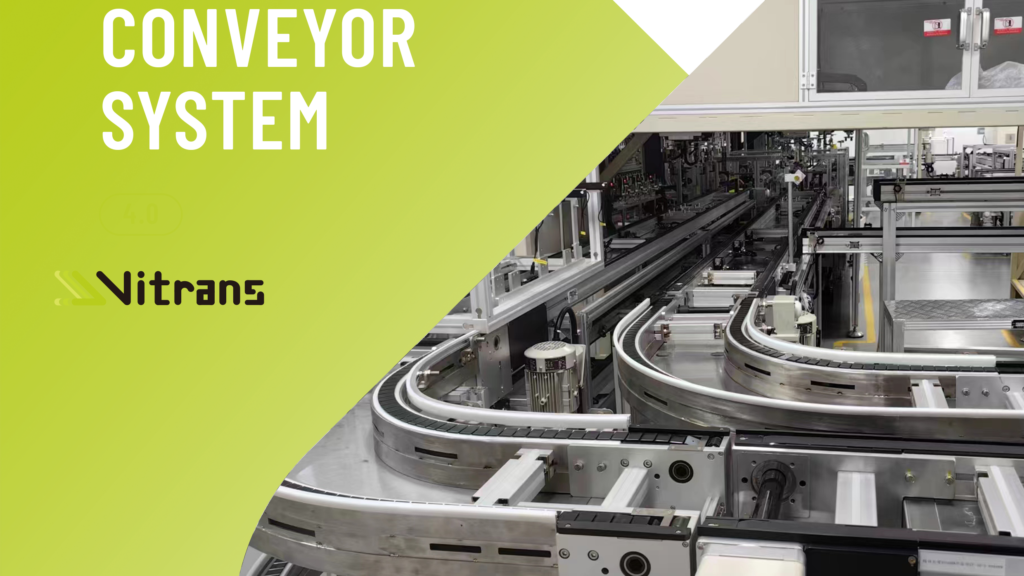
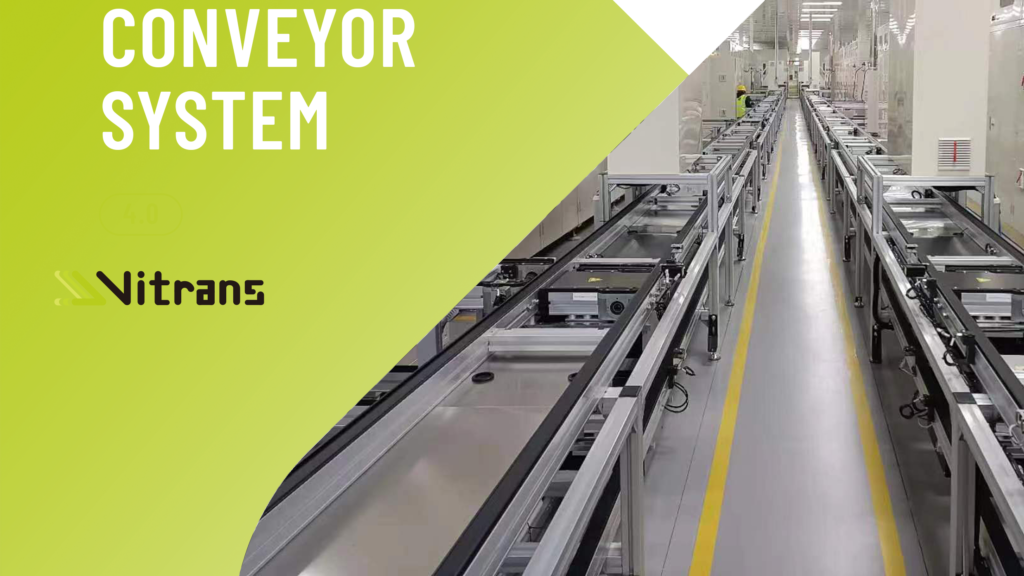
The Modular Solution: Modern modular conveyors, like those utilized in precision pallet systems, use high-strength extruded aluminum profiles. Because these frames are manufactured to extremely tight tolerances, the “drift” associated with welded frames is virtually non-existent. Furthermore, modular belts often feature integrated tracking guides (such as V-guide backing) that lock the belt into a precise path, making manual tracking a thing of the past.
2. Excessive MTTR (Mean Time to Repair)
When a motor burns out or a drive roller seizes on a custom-built conveyor, the repair process is often a “surgical” operation. You have to dismantle half the guarding just to reach the component. In my experience, 80% of downtime isn’t the repair itself—it’s the access.
The Modular Solution: Modularity is built on the principle of sub-assembly swapping. Instead of repairing a component in situ, a modular drive unit or idler section can be unbolted and replaced with a “plug-and-play” spare in under 15 minutes. By standardizing the drive mounts and gearboxes across your entire line, you reduce your spare parts inventory and slash your MTTR.
3. Harmonic Vibration and Component Fatigue
Automated lines are getting faster every year. At high speeds, traditional light-duty conveyors often suffer from harmonic vibrations. This “micro-shaking” leads to sensors shaking loose, fasteners backing out, and premature failure of electronic components.
The Modular Solution: Precision-engineered modular systems (especially those used in heavy-duty pallet handling) utilize T-slotted framing and vibration-dampening mounts. This rigid yet adaptable structure absorbs the kinetic energy of high-speed indexing. It’s the difference between a car with no suspension and a fine-tuned racing machine; the modular frame protects the delicate automation—like vision systems and robotic grippers—that sits on top of it.
4. The “Rigidity Trap” during Retrofits
Automation requirements change. Maybe you need to add a labeling station or a reject gate. With a legacy system, adding a new feature often involves “hacking” the frame—drilling, welding, and compromising the structural integrity.
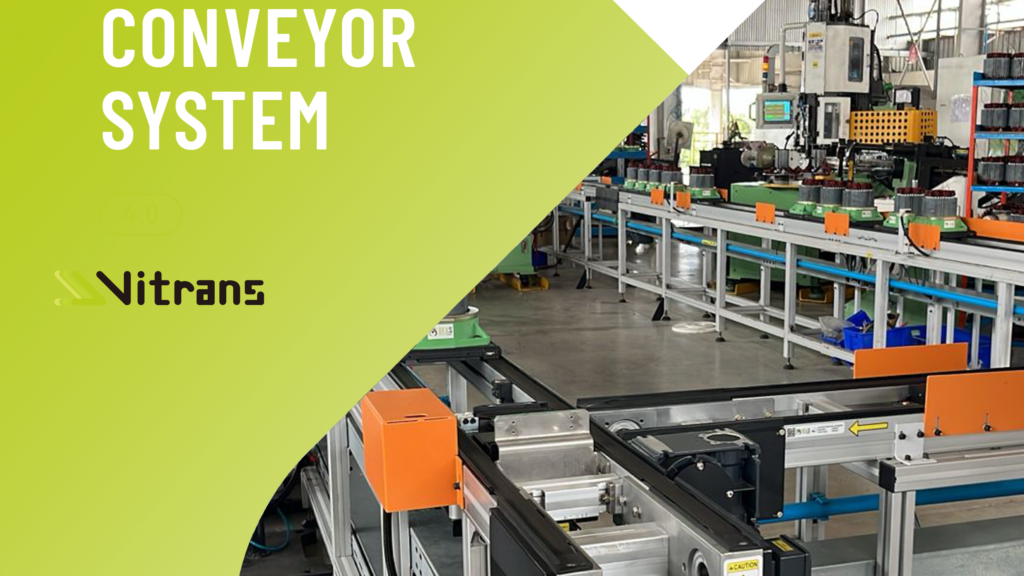
The Modular Solution: This is where the T-slot design of modular conveyors truly shines. If you need to add a sensor or a pneumatic stop, you don’t need a drill. You simply slide a T-nut into the profile and bolt on the new accessory. This “future-proof” flexibility means the conveyor evolves with your production needs rather than becoming an obstacle to them.
The Engineer’s Verdict: Why Modularity Wins
From a pure CAPEX perspective, a custom-welded conveyor might look cheaper on paper. But as any plant manager will tell you, the Jumlah Kos Pemilikan (TCO) is what matters. Between the energy efficiency of low-friction modular chains and the massive reduction in unscheduled downtime, modular systems typically pay for themselves within the first 18 months of operation.
If your current transport system is the “weak link” in your automation chain, it’s time to stop patching the problem and start modularizing your solution.