

Índice
- Introdução
- Factors Affecting Conveyor Belt Costs
- Tipo de material
- Largura e comprimento da correia
- Capacidade de carga
- Speed and Efficiency Requirements
- Customization and Special Features
- Vitrans: Fabricante líder de sistemas de transporte
- Porquê escolher Vitrans?
- Product Offerings
- Conveyor Belt Cost Estimates in 2025
- Standard Conveyor Belt Costs
- Specialized Conveyor Belt Pricing
- Cost Comparison Based on Industry Needs
- Cost-Saving Tips for Buying Conveyor Belts
- Installation and Maintenance Costs
- Conclusão
- Quadro recapitulativo
Introdução
Correias transportadoras are a critical component in industrial automation, ensuring efficient material handling across production lines. If you’re planning to purchase a conveyor belt in 2025, understanding the cost per foot can help you make an informed decision. Conveyor belt pricing varies based on several factors, including material, load capacity, and customization.
This article will break down the expected conveyor belt costs in 2025, factors influencing pricing, and how to find cost-effective solutions while maintaining quality.
Factors Affecting Conveyor Belt Costs
The price of a conveyor belt is influenced by multiple factors. Below are the key elements that determine the cost per foot:
1. Material Type
The material of the conveyor belt plays a major role in pricing. Common materials include:
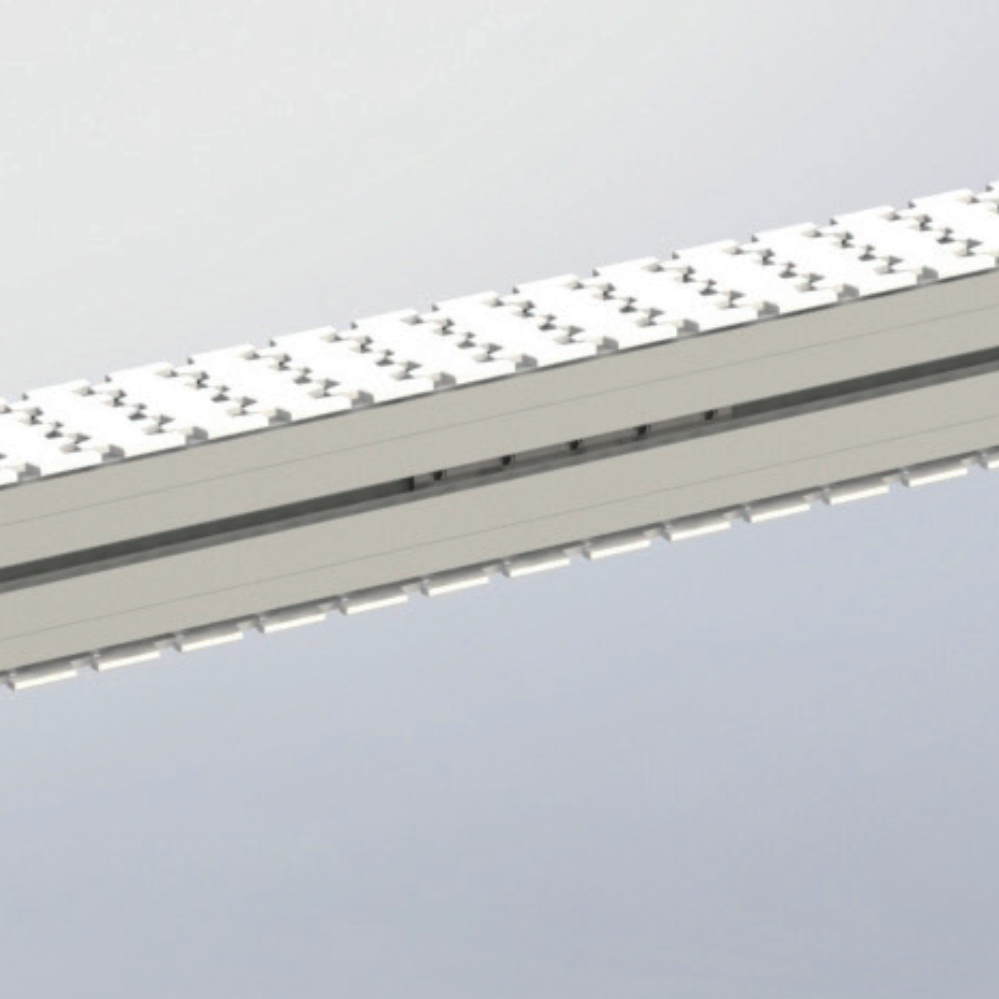
- Rubber Belts – Durable and cost-effective, widely used in mining and construction.
- PVC Belts – Lightweight and resistant to chemicals, often used in food processing.
- Metal Belts – High-strength and heat-resistant, commonly found in manufacturing.
- Fabric Belts – Flexible and cost-effective, ideal for packaging and warehousing.
2. Belt Width and Length
- Wider and longer belts generally cost more due to increased material usage.
- Custom sizes add to the total cost based on specific production needs.
3. Load Capacity
- Conveyor belts designed for heavy-duty applications (e.g., mining, metal processing) are more expensive due to reinforced materials.
- Light-duty belts for food or pharmaceutical industries cost less per foot.
4. Speed and Efficiency Requirements
- High-speed conveyor belts with advanced motorized systems increase costs.
- Standard-speed belts used in warehouses tend to be cheaper.
5. Customization and Special Features
- Heat resistance e anti-static properties add to the cost.
- Cleats, sidewalls, and multi-layer belts are additional expenses.
Vitrans: Fabricante líder de sistemas de transporte

Porquê escolher Vitrans?
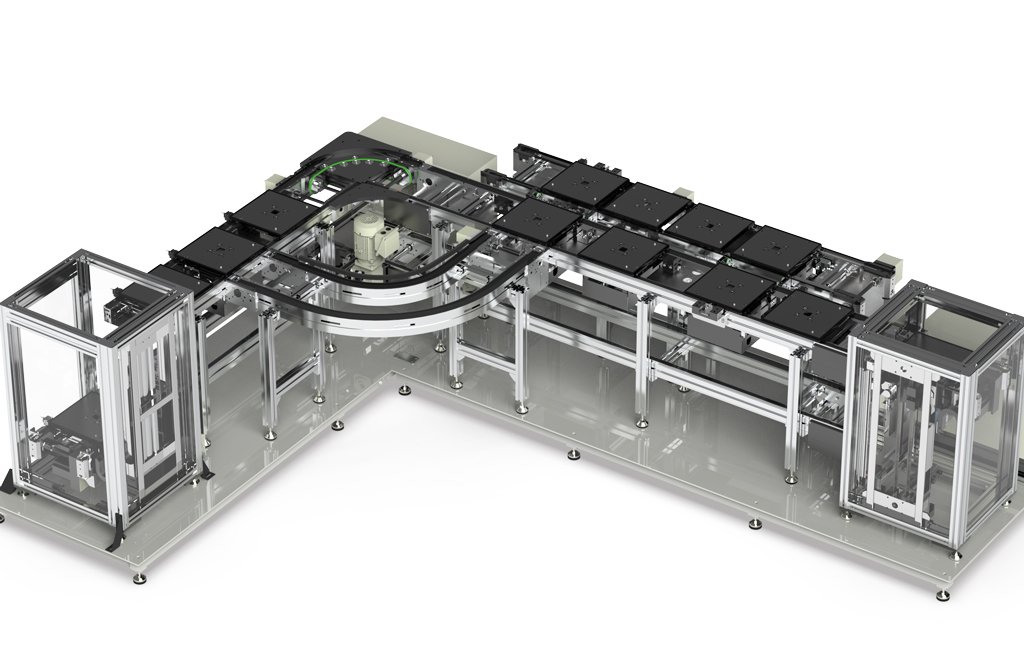
Vitrans has been a trusted name in pallet conveyors and sistemas de transferência de paletes por mais de 10 anos. Known for superior quality and competitive pricing, Vitrans offers conveyor solutions for various industries, including automotive, electronics, logistics, and packaging.
Product Offerings
Vitrans provides a variety of conveyor belt systems, including:
- Sistemas de transporte aéreo (vertical) – Efficient for space-saving vertical transport.
- Sistemas de transporte de circulação horizontal – Ideal for continuous product movement.
- Sistemas de transporte de vários níveis – Perfect for complex material handling operations.
- Sistemas de transporte lado a lado – Designed for synchronized production lines.
With a robust supply chain in China, Vitrans ensures fast lead times e cost-effective solutions for global clients.
Conveyor Belt Cost Estimates in 2025
Standard Conveyor Belt Costs
Based on 2025 price trends, here’s an estimate of conveyor belt costs per foot:
| Type of Conveyor Belt | Estimated Cost per Foot (USD) |
|---|---|
| Correia transportadora de borracha | $10 – $50 |
| PVC Conveyor Belt | $5 – $30 |
| Metal Conveyor Belt | $50 – $200 |
| Fabric Conveyor Belt | $3 – $20 |
Specialized Conveyor Belt Pricing
- High-temperature resistant belts: $40 – $150 per foot
- Food-grade stainless steel belts: $100 – $300 per foot
- Heavy-duty mining belts: $75 – $250 per foot
Cost Comparison Based on Industry Needs
| Industry | Typical Conveyor Belt Type | Average Cost per Foot |
|---|---|---|
| Processamento de alimentos | PVC or Stainless Steel | $10 – $100 |
| Fabrico de automóveis | Rubber or Metal | $30 – $150 |
| Warehousing & Logistics | Fabric or Rubber | $5 – $50 |
| Mining & Heavy Industries | Reinforced Rubber | $50 – $250 |
Cost-Saving Tips for Buying Conveyor Belts
To get the best value, consider these cost-saving strategies:
- Buy in Bulk – Ordering in large quantities can reduce per-foot pricing.
- Work with Direct Manufacturers – Avoid intermediaries to get factory-direct pricing.
- Choose the Right Material – Select a material that meets your needs without overpaying for unnecessary features.
- Consider Used Conveyor Belts – Refurbished belts can be a cost-effective alternative for short-term projects.
- Regular Maintenance – Proper upkeep extends belt life, reducing long-term replacement costs.
Installation and Maintenance Costs
Beyond purchasing the belt, you need to account for installation and maintenance expenses:
- Installation Costs – Ranges from $500 to $5,000 depending on complexity.
- Labor Charges – Installation labor typically costs $50 – $150 per hour.
- Maintenance Costs – Routine servicing costs $500 – $2,000 per year, including belt inspections and part replacements.
To minimize costs, choose a conveyor system with low-maintenance materials e automated lubrication features.
Conclusão
The cost of a conveyor belt per foot in 2025 varies widely based on material, size, and features. While standard belts range from $5 to $50 per foot, specialized belts for high-temperature or heavy-duty use can cost up to $300 per foot.
Para as empresas que procuram cost-effective, high-quality conveyor systems, Vitrans offers a wide range of options with competitive pricing and global shipping. By understanding key price factors and choosing the right belt for your application, you can optimize your investment in conveyor technology.
Quadro recapitulativo
| Key Factor | Impacto nos custos |
|---|---|
| Tipo de material | Rubber and fabric are cheaper, metal and heat-resistant belts are expensive. |
| Width & Length | Longer and wider belts increase costs. |
| Capacidade de carga | Correias de alta resistência cost more due to reinforced materials. |
| Speed Requirements | High-speed conveyor belts require advanced motors, increasing price. |
| Personalização | Added features like cleats, sidewalls, and coatings raise costs. |
| Installation Costs | Can range from $500 to $5,000 based on complexity. |
| Maintenance Costs | Annual servicing typically costs $500 – $2,000. |
| Best Cost-Saving Strategy | Bulk buying, direct sourcing, and choosing the right material. |
For an affordable and high-performance conveyor belt system, consider working with Vitrans, a trusted manufacturer offering fast delivery and quality assurance.
For a customized conveyor belt quote, contact Vitrans today! 🚀