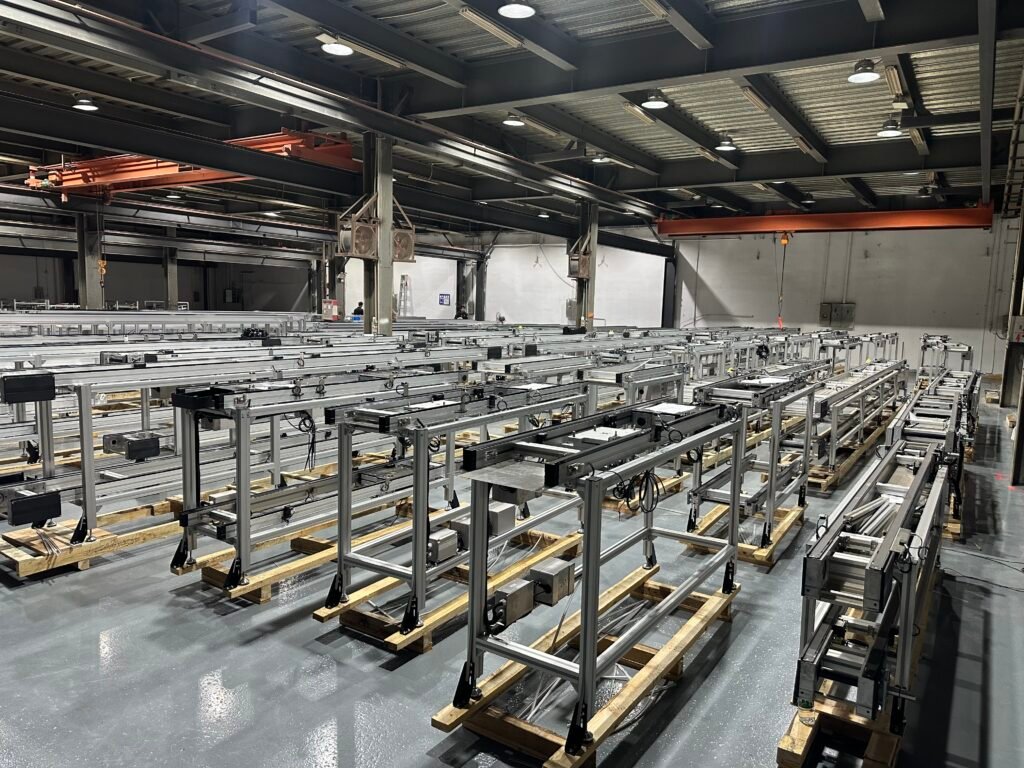


Понимание роли цепные конвейеры для поддонов в оптимизация производства батарей для электромобилей необходима для гигафабрик, автосборочных заводов и производителей аккумуляторных модулей, стремящихся к высокой производительности и точности. По мере роста спроса на электромобили (EV) традиционные методы транспортировки заменяются интеллектуальными, сверхмощными паллетными системами благодаря их устойчивости, возможности накопления и совместимости с роботизированной сборкой.
(Alt Text: Цепной паллетный конвейер Vitrans для транспортировки модулей батарей EV на автоматизированной сборочной линии)
В этом подробном руководстве рассказывается о том, как цепные паллетные конвейеры оптимизируют производственный процесс, о ключевых факторах, влияющих на их эффективность, о сравнении с традиционными ленточными системами и о рентабельности инвестиций (ROI) для современных заводов. Вы также найдете раздел, посвященный следующим темам Витранс (Vitrans-Conveyor.com), ведущий специалист в области промышленной автоматизации и решений для транспортировки.
Оглавление
- Что такое цепные паллетные конвейеры?
- Стоимость простоя: Почему оптимизация имеет значение
- Ключевые факторы для оптимизации аккумуляторных линий
- Типы конвейерных систем Vitrans для сборки EV
- Цепные паллетные конвейеры в сравнении с традиционными ленточными: Сравнение производительности
- ОКУПАЕМОСТЬ ИНВЕСТИЦИЙ: Стоит ли переходить на системы Vitrans?
- Обзор производителей: Vitrans Conveyor
- Конвейер для батарей EV краткое описание технических характеристик
- Часто задаваемые вопросы (FAQ)
- Ссылки
Что такое цепные паллетные конвейеры?
A Цепной конвейер для поддонов это система транспортировки тяжелых грузов, использующая двух- или многозвенную цепь для перемещения паллет с полезным грузом. В отличие от стандартных плоских ленточных конвейеров, эти системы предназначены для перемещения тяжелых грузов, таких как блоки и модули аккумуляторных батарей EV, с высокой точностью.
Они широко используются в:
- Сборка батарейного модуля: Перемещение ячеек между сварочными и испытательными станциями.
- Сборка упаковки: Работа с тяжелыми готовыми аккумуляторными блоками.
- Линии двигателей и силовых агрегатов: Транспортировка тяжелых приводных устройств.
- Автоматизированное тестирование (EOL): Прецизионное позиционирование для роботизированной инспекции.
Стремясь сократить время цикла, производители все чаще задаются вопросом: Как цепные паллетные транспортеры Vitrans могут оптимизировать мою производственную линию? Давайте разберемся.
Стоимость простоя: Почему оптимизация имеет значение
В мире производства электромобилей с высокими ставками, Незапланированные простои могут стоить до $20 000 в минуту. Оптимизация - это не только скорость, но и стабильность и буферизация.
Типичное повышение эффективности при использовании систем Vitrans
- Сокращение времени цикла: 15-30% улучшение по сравнению с ручным переводом.
- Точность позиционирования: Точность +/- 0,05 мм для роботизированного сопряжения.
- Грузоподъемность: Грузоподъемность от 1 кг (ячейки) до 1000 кг и более (полные упаковки).
Хотя первоначальные инвестиции в прецизионную систему цепных поддонов выше, чем в простой ленточный конвейер, сокращение количества дефектов продукции и остановок линии со временем значительно снижает “стоимость единицы продукции”.
<a name="”key-factors”"></a>
Ключевые факторы для оптимизации аккумуляторных линий
Сайт эффективность конвейерной системы на электростанции зависит от нескольких инженерных переменных:
1. Точность позиционирования
Наибольшее влияние на автоматизацию. Роботы требуют, чтобы паллеты каждый раз останавливались в точно таком же месте. В системах Vitrans используются прецизионные стопорные устройства и локационные станции для обеспечения повторяемость.
2. Способность к накоплению
- Нулевое накопление давления: Предотвращает столкновение чувствительных батарейных модулей.
- Буферизация: Позволяет приостановить работу одной станции (например, для доработки) без остановки всей линии.
3. Контроль статического электричества и загрязнений
- Антистатические цепи: Критически важен для электроники и аккумуляторных батарей для предотвращения короткого замыкания.
- Совместимость с чистыми помещениями: Низкое пылеобразование для чувствительных сред.
4. Модульная конструкция
- Гибкость: Возможность добавления или удаления станций по мере развития технологий аккумуляторов (например, переход от призматических к цилиндрическим элементам).
<a name="”types-of-systems”"></a>
Типы конвейерных систем Vitrans для сборки EV
1. Цепные конвейерные системы для поддонов
Подходит для тяжелых грузов, таких как аккумуляторные батареи и узлы трансмиссии. Обладает высокой прочностью и позволяет выполнять поточные операции (например, прессование или завинчивание) непосредственно на конвейере.
- Лучшее для: Главные сборочные линии, тяжелые аккумуляторные батареи.
2. Ленточные конвейерные системы
Идеально подходит для легких, высокоскоростных применений, требующих плавного движения и низкого уровня шума.
- Лучшее для: Обработка ячеек, сборка модулей, интеграция электроники.
3. Гибкие цепные конвейеры
Идеально подходит для сложных планировок с крутыми поворотами и вертикальными перепадами высот.
- Лучшее для: Подача мелких деталей, упаковочные линии и охлаждающие туннели.
4. Моторизованные роликовые конвейеры (MDR)
Предназначен для интеллектуальной логистики на заводе, предлагает зональное управление для экономии энергии.
- Лучшее для: Конечная упаковка, складирование и сортировка лотков для аккумуляторов.
<a name="”comparison”"></a>
Цепные паллетные конвейеры в сравнении с традиционными ленточными: Сравнение производительности
| Характеристика | Традиционный плоский ленточный конвейер | Цепной паллетный конвейер Vitrans | Примечания |
| Грузоподъемность | От низкого до среднего (около 50 кг) | Высокая (до 1000 кг+) | Необходим для тяжелых блоков EV |
| Точность | Низкий (происходит скольжение) | Высокий (+/- 0,05 мм) | Требуется для робототехники |
| Накопление | Высокое трение / износ | Цепь с низким коэффициентом трения / роликовая цепь | Защищает изделие и уменьшает износ |
| Техническое обслуживание | Частая замена ремней | Долговечная цепь | Низкие эксплуатационные расходы |
| Гибкость | Исправленный путь | Модульный / расширяемый | Адаптация к новым моделям автомобилей |
<a name="”roi”"></a>
ОКУПАЕМОСТЬ ИНВЕСТИЦИЙ: Стоит ли переходить на системы Vitrans?
Большинство производителей EV восстанавливают инвестиции в паллетные системы Vitrans в течение 12-18 месяцев, потому что:
- Уменьшение количества металлолома: Аккуратное обращение снижает повреждение дорогостоящих элементов батареи.
- Увеличение пропускной способности: Более высокая скорость передачи данных и надежная блокировка станций.
- Защита от будущего: Модульная конструкция позволяет перенастроить линию на выпуск батарей нового поколения без демонтажа конвейера.
Для гигафабрики, производящей 500 000 упаковок в год, повышение эффективности на 1% означает миллионные доходы.
<a name="”spotlight”"></a>
Обзор производителей: Vitrans Conveyor
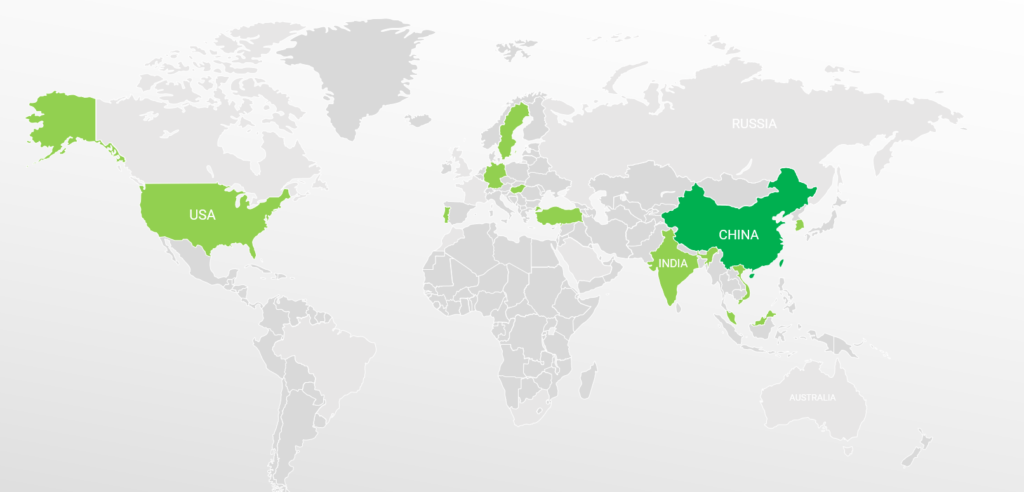
Витранс, Компания Vitrans, штаб-квартира которой находится в Китае, является ведущим производителем, занимающимся разработкой, производством и продажей автоматики для промышленных конвейеров. В отличие от типовых поставщиков оборудования, Vitrans специализируется на решениях для обработки паллет, разработанных для точных отраслей промышленности.
Основные сильные стороны
- Экспертное проектирование: Специализируется на производстве сверхмощных и высокоточных конвейеров для транспортировки паллет.
- Широкий ассортимент: От гибких цепей до сверхмощных роликовых систем.
- Глобальная совместимость: Системы, разработанные для интеграции с системами управления Bosch, Siemens и другими стандартными системами автоматизации.
- Персонализация: Индивидуальные решения для батарей определенных размеров и заводской планировки.
Популярные товары
- Цепные конвейеры для поддонов
- Ленточные конвейеры
- Гибкие цепные конвейеры
- Моторизованные роликовые конвейеры
-
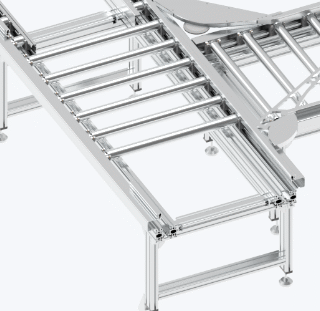 Сверхмощный штабелируемый роликовый конвейер
 -
 Роликовый конвейер для легких грузов
 -
 Плоский ленточный конвейер для поддонов FC2
 -
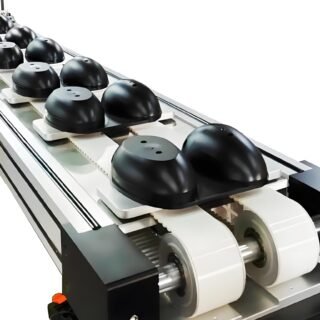 Насадка для зубчатой ленты конвейера
 -
 Конвейер поддонов пластиковой цепи PC2/конвейер свободного потока
 -
 Роликовый цепной конвейер AC2/H/Свободнопоточный конвейер
 -
 Конвейер для поддонов с роликовой цепью AC2/конвейер свободного потока
 -
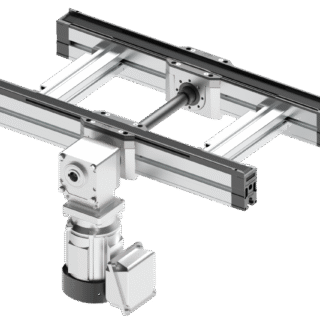 Паллетный конвейер BC2 Timing Belt / Конвейер свободного потока
Конвейер для батарей EV краткое описание технических характеристик
| Тип конвейера | Типичная полезная нагрузка | Лучшее для | Прецизионный уровень |
| Гибкая цепь | 1 кг - 30 кг | Мелкие детали, подача, 3D-макеты | Стандарт |
| Ремень ГРМ | 1 кг - 100 кг | Прецизионная сборка, чистая среда | Высокий |
| Цепной поддон | 50 кг - 1500 кг | Аккумуляторные батареи, силовые агрегаты, тяжелая сборка | Очень высокий |
| Роликовый конвейер | 10 кг - 2000 кг | Транспорт, логистика, буферные зоны | Средний |
Часто задаваемые вопросы (FAQ)
1. Почему цепные паллетные конвейеры предпочтительнее для батарей EV?
Батареи тяжелые и чувствительные. Цепные паллетные конвейеры обеспечивают жесткость, позволяющую выдерживать вес (до 1000 кг), и в то же время обеспечивают точность фиксации, необходимую для автоматизированной роботизированной сварки и сборки.
2. Могут ли конвейеры Vitrans работать со статически чувствительными компонентами?
Да, компания Vitrans предлагает антистатические (ESD) поддоны и цепи, специально разработанные для производства электроники и аккумуляторов для предотвращения электростатического разряда.
3. Насколько гибкой является система для будущих изменений модели?
Системы Vitrans являются модульными. Вы можете добавлять, удалять или перемещать модули и станции, не заменяя весь конвейер, что делает его идеальным для быстро развивающегося рынка EV.
4. Каково типичное время изготовления конвейерной системы на заказ?
В зависимости от сложности, стандартные модули могут быть поставлены быстро, в то время как полностью индивидуальные линии обычно требуют 6-10 недель на проектирование и изготовление.
<a name="”references”"></a>