

Là một bộ phận cốt lõi không thể thiếu trong các dây chuyền sản xuất tự động hiện đại, hệ thống băng tải pallet đảm nhận các nhiệm vụ quan trọng trong việc xử lý vật liệu và tối ưu hóa luồng lưu thông. Do sự đa dạng về bố trí nhà máy, cấu hình dây chuyền sản xuất và đặc tính sản phẩm giữa các doanh nghiệp sản xuất khác nhau, các dây chuyền băng tải pallet thường cần được tùy chỉnh riêng để phù hợp với điều kiện thực tế tại hiện trường. Đối với các nhà máy hướng tới hiệu suất cao và sản xuất thông minh, thiết bị tiêu chuẩn khó có thể đáp ứng được các yêu cầu quy trình tùy chỉnh. Bài viết này sẽ phân tích các chi tiết cốt lõi và yêu cầu kỹ thuật cần được chú trọng khi tùy chỉnh các dây chuyền băng tải pallet.
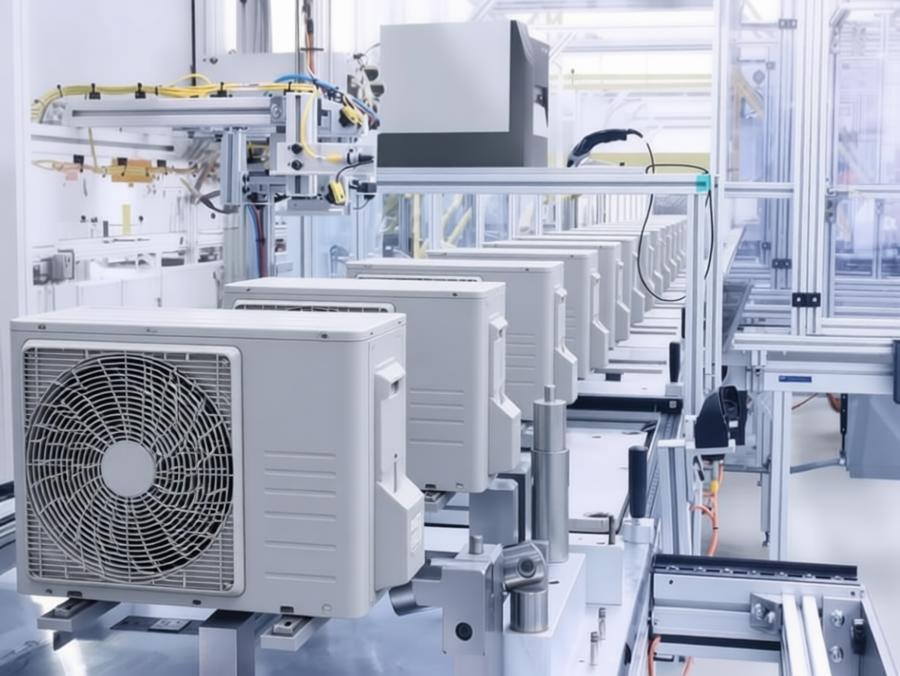
1. Khả năng chịu tải và thông số kỹ thuật của pallet
1.1 Xác nhận khả năng chịu tải
Khi xác định khả năng chịu tải của một dây chuyền băng tải pallet, cần phải tính toán đầy đủ tổng trọng lượng của sản phẩm thành phẩm, các thiết bị kẹp giữ và khung pallet. Dựa trên dữ liệu tải trọng toàn diện, hãy lựa chọn loại băng tải phù hợp nhất, chẳng hạn như băng tải con lăn hoặc băng tải xích hai tốc độ, để đảm bảo quá trình vận chuyển vật liệu diễn ra ổn định và đáng tin cậy.
1.2 Lựa chọn kích thước pallet
Kích thước pallet cần được xác định dựa trên thông số kỹ thuật của sản phẩm, tiêu chuẩn thiết kế khuôn mẫu và các giới hạn về kích thước của các cấu trúc đường dây đặc biệt, bao gồm các đoạn đường cong và thang máy. Việc thiết kế kích thước hợp lý sẽ đảm bảo khả năng thay thế lẫn nhau và tính đa dụng cao của pallet, từ đó thích ứng với quy trình sản xuất hỗn hợp nhiều loại sản phẩm.
-
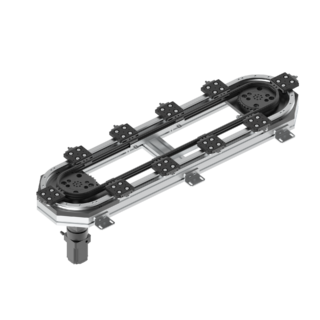 Dòng truyền động xích
 -
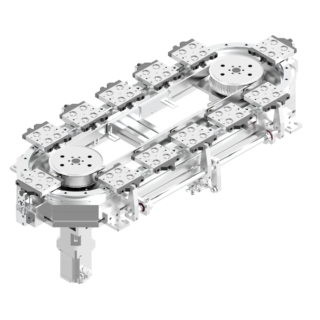 Dòng truyền động đai
 -
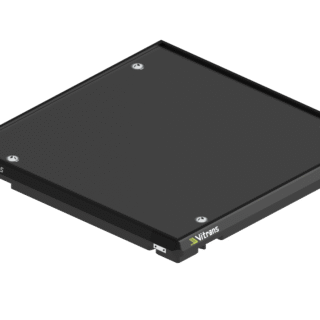 Pallet băng tải
 -
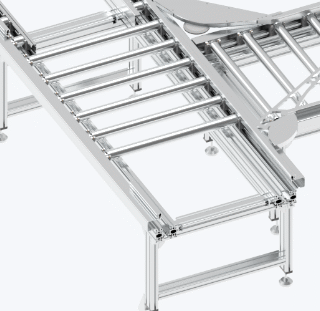 Băng tải con lăn xếp chồng chịu tải nặng
 -
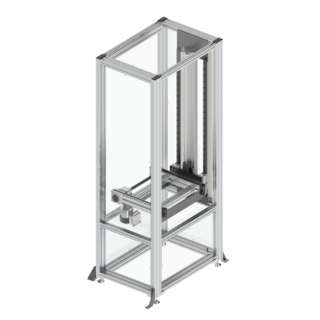 Thang máy nâng hạ trên cao | Thang máy
 -
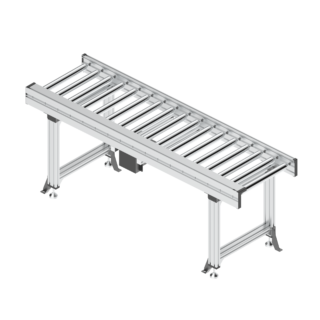 Băng tải con lăn hạng nhẹ
 -
 Băng tải xích nhựa PC2/Băng tải dòng chảy tự do
 -
 Băng tải pallet xích con lăn AC2/Băng tải dòng chảy tự do
 -
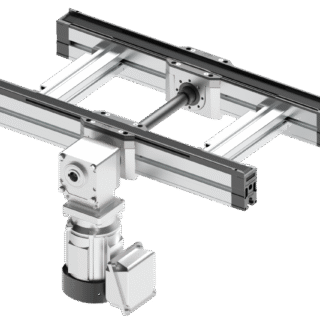 Băng tải pallet đai thời gian BC2/Băng tải dòng chảy tự do
2. Thiết kế chiều dài và bố trí dây chuyền băng tải
2.1 Lập kế hoạch chiều dài
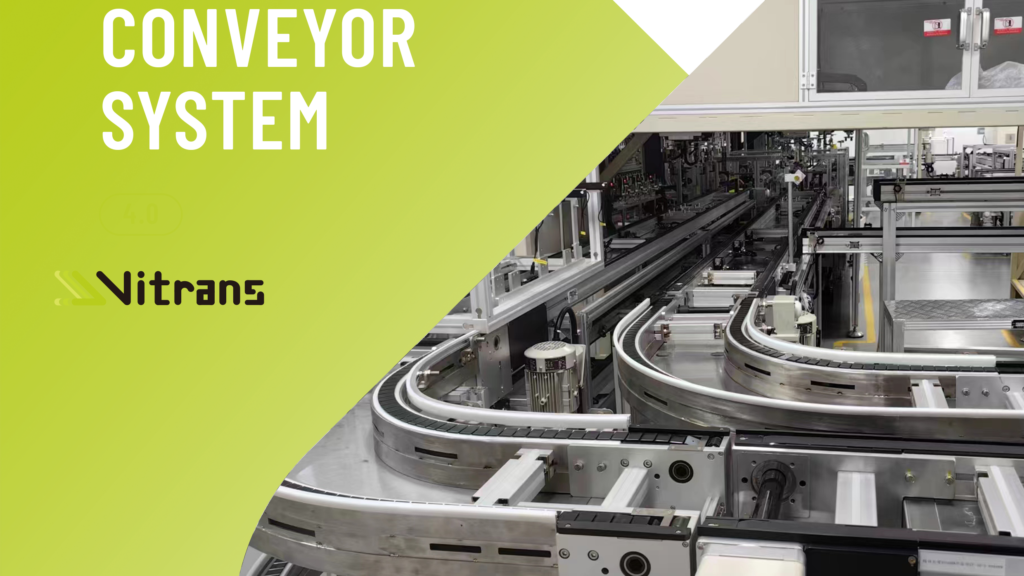
Xác định vị trí điểm đầu, điểm cuối và các trạm chính thông qua việc đo đạc tại hiện trường. Tính toán chiều dài tổng thể của dây chuyền một cách khoa học bằng cách kết hợp tốc độ vận chuyển vật liệu thực tế với các yêu cầu về chu kỳ sản xuất. Đồng thời, cần dự trù không gian kết cấu hợp lý cho các đoạn đặc biệt như đoạn rẽ và đoạn dốc để tránh tình trạng kẹt hàng và đảm bảo dây chuyền hoạt động trơn tru.
2.2 Tối ưu hóa bố cục
Tối ưu hóa toàn bộ lộ trình vận chuyển để loại bỏ quãng đường vận chuyển thừa và thời gian chờ không cần thiết của nguyên liệu, từ đó nâng cao hiệu quả hoạt động. Áp dụng thiết kế kết cấu hoàn toàn mô-đun để hỗ trợ việc lắp ráp, kết hợp linh hoạt và mở rộng sau này, đồng thời dành sẵn không gian cho việc nâng cấp dây chuyền sản xuất và điều chỉnh bố trí trong tương lai.
3. Cài đặt chiều cao và sự tiện lợi khi sử dụng
3.1 Cấu hình chiều cao làm việc
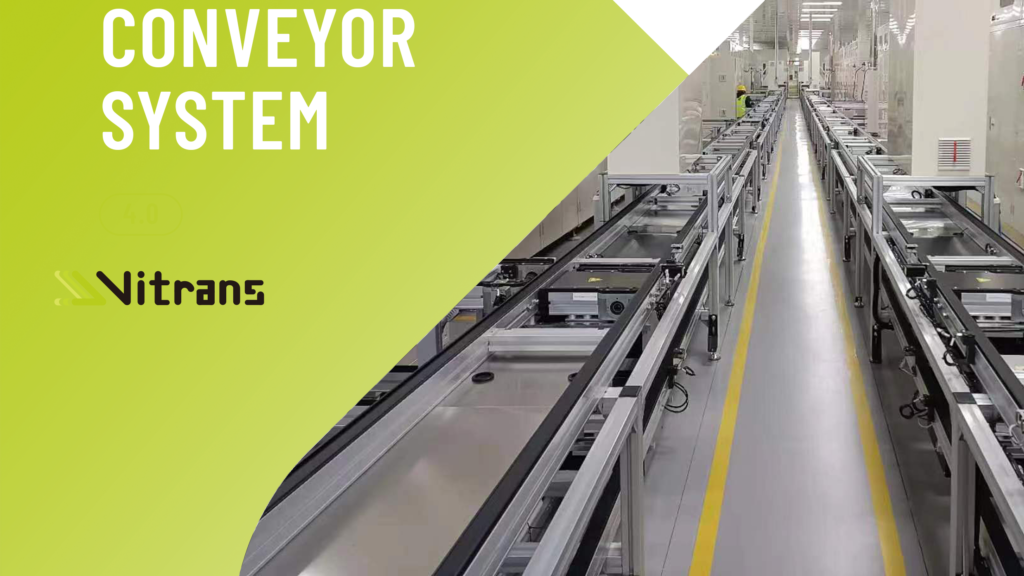
Chiều cao lắp đặt của dây chuyền băng tải phải đảm bảo sự thuận tiện trong việc xử lý vật liệu, tính tiện dụng cho người vận hành và độ ổn định tổng thể của thiết bị. Cần đảm bảo chiều cao kết nối đồng nhất với các thiết bị ở các công đoạn trước và sau để đảm bảo quá trình lưu thông vật liệu diễn ra trơn tru và tránh tình trạng ứ đọng trong quá trình chuyển giao.
3.2 Tính thân thiện với người dùng
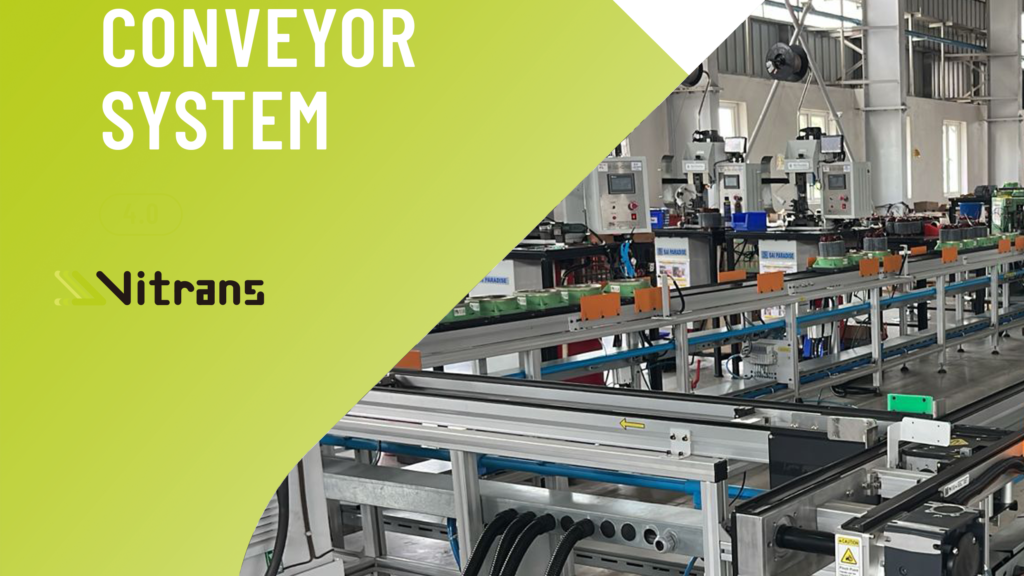
Các thiết bị phụ trợ như bệ làm việc, tay vịn và hệ thống chiếu sáng có thể được lắp đặt theo yêu cầu thực tế tại công trường nhằm cải thiện môi trường làm việc. Lắp đặt hệ thống điều khiển thông minh để thực hiện các chức năng khởi động/dừng tự động, điều chỉnh tốc độ liên tục và cảnh báo sự cố theo thời gian thực, từ đó giúp giảm thiểu đáng kể cường độ lao động thủ công và rủi ro do sai sót của con người.
4. Lựa chọn các thành phần chính
4.1 Lựa chọn phương tiện truyền tải
Chọn loại phương tiện truyền động phù hợp dựa trên đặc tính vật liệu, môi trường xưởng sản xuất và tiêu chuẩn tải trọng, bao gồm dây đai răng, dây đai phẳng, xích con lăn tích lũy và xích nhựa mặt trên, để đáp ứng các tình huống sản xuất khác nhau.
4.2 Lựa chọn vật liệu khung
Chọn vật liệu kết cấu khung dựa trên trọng lượng tải thực tế, tốc độ vận hành và điều kiện môi trường xưởng. Các lựa chọn phổ biến bao gồm thép carbon, thép không gỉ và thanh nhôm, nhằm cân bằng giữa độ bền kết cấu, độ bền và hiệu quả chi phí.
4.3 Thiết kế mở rộng chức năng
Mở rộng các mô-đun chức năng theo yêu cầu, chẳng hạn như bộ chặn, bộ định vị nâng và bộ chuyển nâng, để đáp ứng các yêu cầu chính xác của quy trình lắp ráp và kiểm tra. Đối với các điều kiện làm việc đặc biệt như nhiệt độ và độ ẩm cao, cần lắp đặt các cấu trúc bảo vệ phù hợp để đảm bảo thiết bị hoạt động ổn định lâu dài.
5. Tiêu chuẩn triển khai tại chỗ
5.1 Định nghĩa rõ ràng các tham số
Vui lòng cung cấp dữ liệu kỹ thuật chính xác và đầy đủ trước khi tiến hành tùy chỉnh, bao gồm kích thước thiết bị, tải định mức, tốc độ vận hành và các yêu cầu về quy trình, nhằm tránh sai lệch trong thiết kế và phải làm lại.
5.2 Lựa chọn nhà cung cấp chuyên nghiệp
Hợp tác với các nhà sản xuất thiết bị tự động hóa giàu kinh nghiệm, sở hữu nhiều dự án thực tế trong ngành và năng lực kỹ thuật chuyên nghiệp, nhằm đảm bảo chất lượng sản phẩm ổn định cùng dịch vụ hậu mãi toàn diện.
5.3 Kiểm thử chấp nhận nghiêm ngặt
Tiến hành hiệu chuẩn định vị chính xác toàn diện và thử nghiệm vận hành liên tục dưới tải trong thời gian dài sau khi lắp đặt thiết bị để xác minh tính ổn định, độ chính xác và độ tin cậy của hệ thống.
5.4 Đào tạo chuyên nghiệp cho người vận hành
Tổ chức đào tạo vận hành có hệ thống cho nhân viên tại hiện trường, giúp người vận hành thành thạo các thao tác tiêu chuẩn như khởi động-dừng máy, dừng khẩn cấp và khôi phục sau sự cố, nhằm đảm bảo quá trình sản xuất được thực hiện theo quy trình chuẩn và an toàn.