Key Customization Details and Technical Requirements for Pallet Conveyor Lines

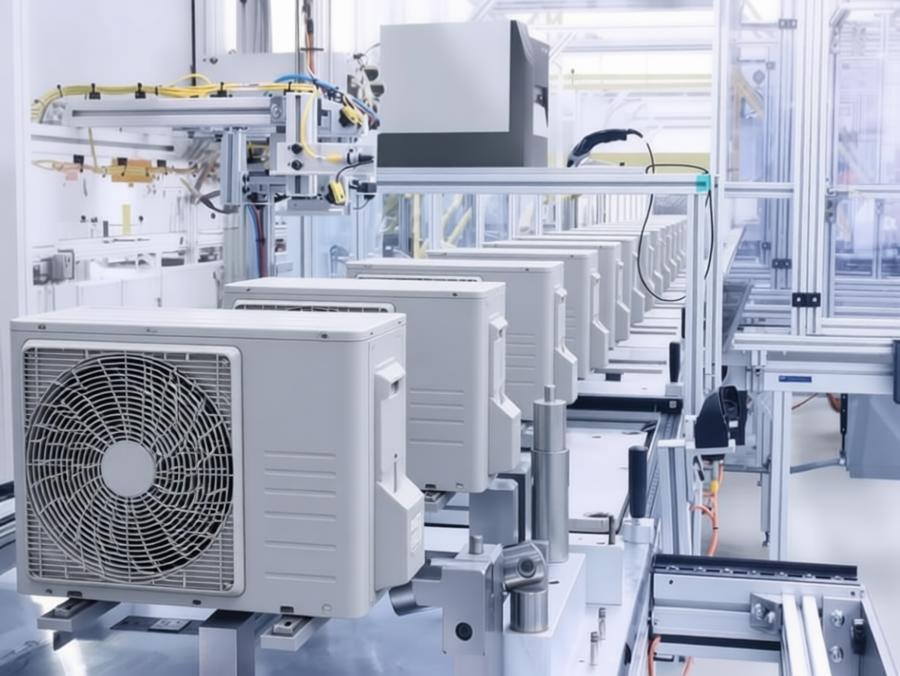
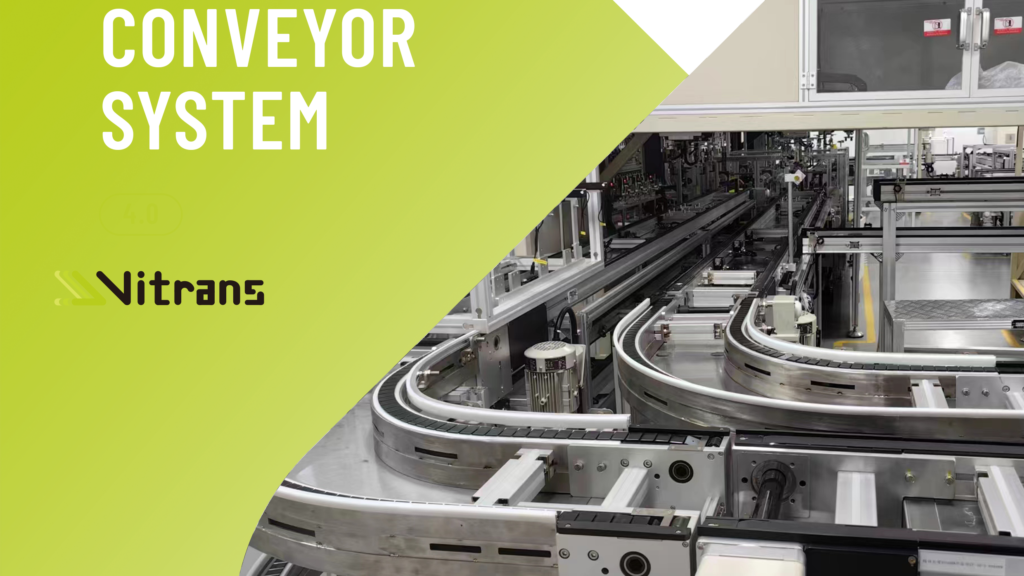
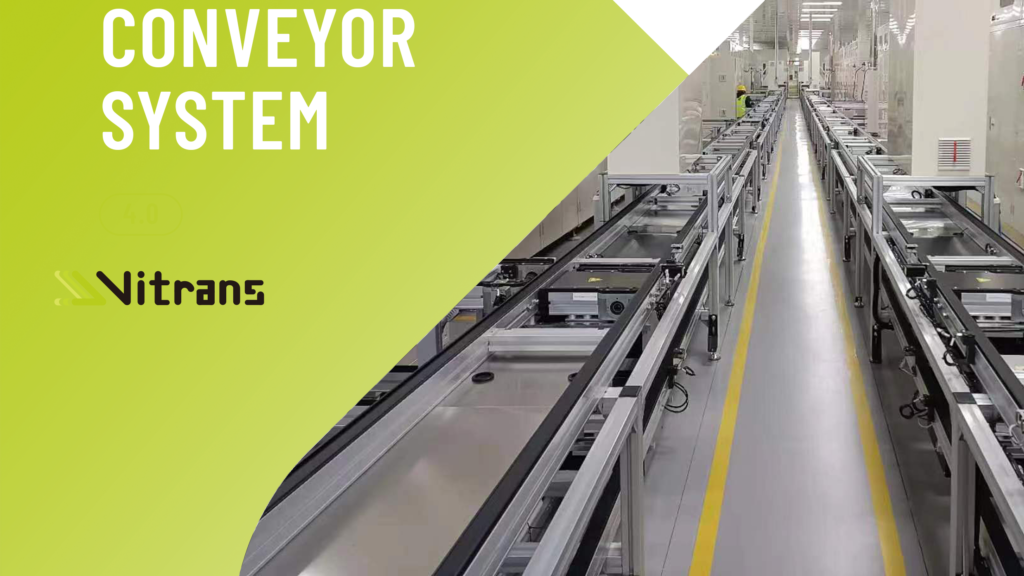
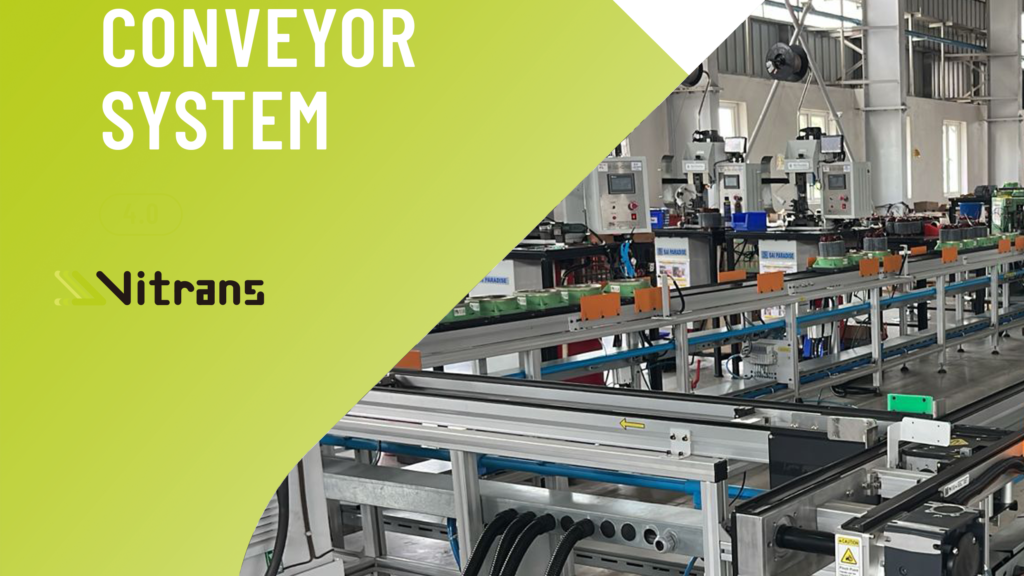
As an indispensable core part of modern automated production lines, pallet conveyor systems undertake key tasks for material handling and streamlined circulation. Due to diversified factory layouts, production line configurations and product characteristics across different manufacturing enterprises, pallet conveyor lines usually require personalized customization to match actual on-site conditions. For factories pursuing high efficiency and intelligent production, standardized equipment can hardly meet customized process demands. This article sorts out the core details and technical requirements that must be focused on when customizing pallet conveyor lines.

1. Load Capacity and Pallet Specifications

1.1 Load Capacity Confirmation

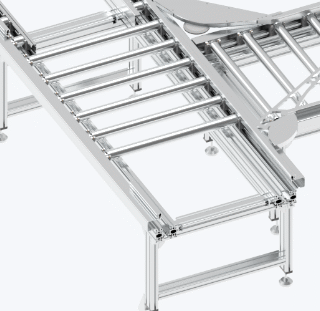
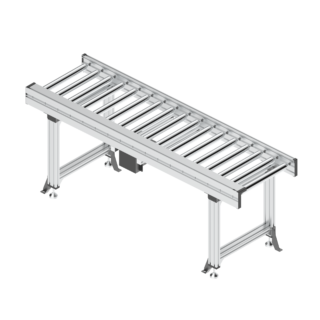
When defining the load rating of a pallet conveyor line, the total weight of finished products, tooling fixtures and pallet bases must be fully calculated. Based on the comprehensive load data, select the most suitable conveyor type, such as roller conveyors or double-speed chain conveyors, to ensure stable and reliable material transportation.

1.2 Pallet Dimension Selection

Pallet sizes should be determined according to product specifications, tooling design standards and dimensional constraints of special line structures including curve segments and elevators. Reasonable size configuration guarantees excellent interchangeability and universality of pallets, adapting to multi-product mixed production.

2. Conveyor Line Length and Layout Design

2.1 Length Planning

Confirm the start point, end point and key station positions through on-site measurement. Calculate the overall line length scientifically by combining the actual material conveying speed and production cycle requirements. Meanwhile, reserve reasonable structural space for special sections such as turning and climbing segments to avoid jamming and ensure smooth line operation.

2.2 Layout Optimization

Optimize the overall conveying path to eliminate redundant conveying distance and unnecessary material waiting time, improving operational efficiency. Adopt a fully modular structural design to support flexible assembly, combination and later expansion, reserving space for future production line upgrading and layout adjustment.

3. Height Setting and Operational Convenience

3.1 Working Height Configuration

The installation height of the conveyor line takes into account material handling convenience, operator ergonomics and overall equipment stability. It is necessary to ensure consistent docking height with upstream and downstream equipment to realize seamless material circulation and avoid transfer stagnation.

3.2 Operational Friendliness

Auxiliary facilities such as operating platforms, handrails and lighting systems can be equipped according to on-site demands to improve the working environment. Equip intelligent control systems to realize automatic start-stop, stepless speed regulation and real-time fault alarm functions, effectively reducing manual operation intensity and human error risks.

4. Key Component Selection

4.1 Conveying Medium Selection

Select matching conveying media based on material characteristics, workshop environment and load standards, including timing belts, flat belts, accumulating roller chains and plastic top chains, to adapt to different production scenarios.

4.2 Frame Material Selection

Choose the frame structure material according to actual load weight, operating speed and workshop environment conditions. Common options include carbon steel, stainless steel and aluminum profiles, balancing structural strength, durability and cost performance.

4.3 Functional Expansion Design

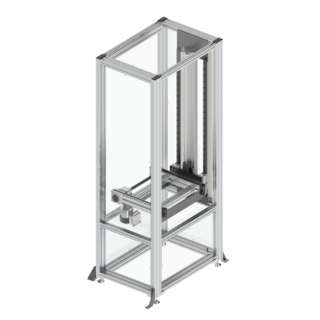
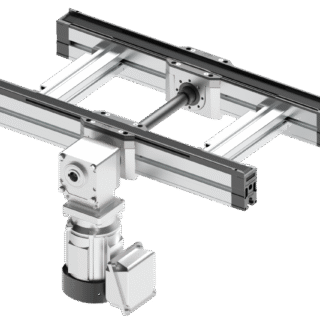
Expand functional modules as required, such as stoppers, lifting positioning units and lifting transfer units, to meet precise assembly and testing process demands. For special working conditions such as high temperature and humidity, install targeted protective structures to ensure long-term stable equipment operation.

5. On-site Implementation Standards

5.1 Clear Parameter Definition

Provide accurate and complete technical data before customization, including equipment dimensions, rated load, operating speed and process requirements, to avoid design deviation and rework.

5.2 Professional Supplier Selection

Cooperate with experienced automation manufacturers with rich industry project cases and professional technical capabilities, ensuring stable product quality and complete after-sales service support.

5.3 Strict Acceptance Testing

Complete precision positioning calibration and long-term load continuous operation testing after equipment installation to verify line stability, accuracy and reliability.

5.4 Professional Operator Training

Provide systematic operational training for on-site staff, enabling operators to proficiently master standard operations such as start-stop, emergency stop and fault reset, ensuring standardized and safe production.

태그:

관련 뉴스

비디오 라이브러리
팔레트 컨베이어 시스템 | 배터리 생산용 모듈식 컨베이어를 사용한 팔레트 핸들링 솔루션

Vitrans는 10년 이상 팔레트 컨베이어 및 팔레트 이송 시스템 분야를 선도해온 제조업체입니다. 

Vitrans 팔레트 컨베이어 | 벨트 컨베이어

Vitrans는 컨베이어 전문 제조업체입니다. 자동화된 조립 라인을 구축하는 데 어려움이 있으시면 언제든지 문의해 주시면 솔루션을 제공해 드리겠습니다.

공장 내 팔레트 취급 시스템용 비상구 건설을 위한 벨트 컨베이어 리프터 게이트

공장 벨트 컨베이어 시스템을 위한 혁신적인 누적 팔레트 곡선

회사 프로필

다운로드 링크 보내기:

제품 브로셔

다운로드 링크 보내기:

Catalog-English

다운로드 링크 보내기: