

Modern üretimde operasyonel maliyetler sürekli baskı altındadır. Enerji fiyatları dalgalanır, işçilik maliyetleri artar ve üretim hatlarının yeni ürünlere veya değişen pazar talebine hızla uyum sağlaması gerekir.
Birçok fabrika için malzeme taşıma sistemleri genel işletme giderlerinde önemli bir rol oynamaktadır. Genellikle tek bir üretim düzeni için tasarlanan geleneksel konveyör sistemleri, üretim gereksinimleri değiştiğinde pahalı yükümlülükler haline gelebilir.
Bu nedenle birçok mühendis ve tesis yöneticisi modüler konveyör si̇stemleri̇. Sabit konveyör hatlarının aksine modüler konveyörler, minimum kesinti ile yeniden düzenlenebilen, genişletilebilen veya değiştirilebilen standartlaştırılmış bölümlerden inşa edilir. Zaman içinde bu esneklik, işletme maliyetlerini önemli ölçüde azaltır ve otomasyon ekipmanının yatırım getirisini (ROI) artırır.
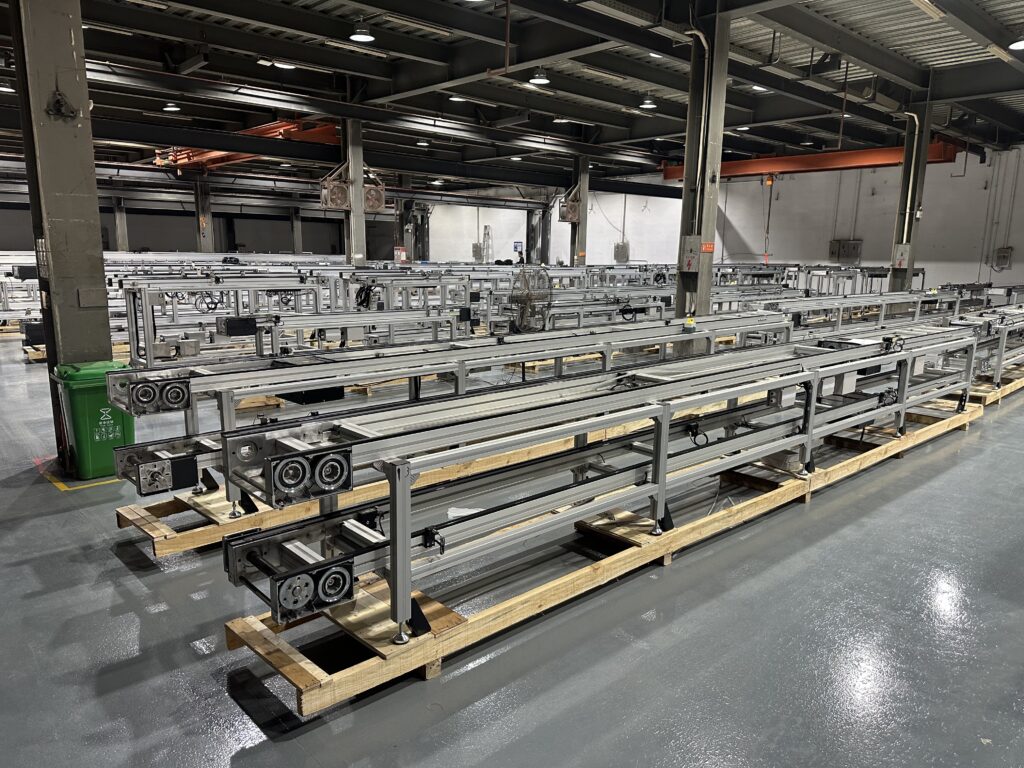
Geleneksel Konveyör Sistemlerinin Gizli Maliyeti
Fabrikalar ilk kez bir konveyör sistemi kurduğunda, genellikle verim ve yerleşim uyumluluğuna odaklanılır. Bununla birlikte uzun vadeli sahip olma maliyeti genellikle daha az ilgi görür.
Geleneksel konveyör sistemleri tipik olarak şunları içerir:
- Özel kaynaklı çerçeveler
- Sabit kayış konfigürasyonları
- Karmaşık bakım prosedürleri
- Üretim değiştiğinde zor yükseltmeler
Bir üretim hattında değişiklik yapıldığında (örneğin yeni ekipman eklendiğinde veya ürün boyutu değiştirildiğinde) bu konveyörlerin kapsamlı bir şekilde yeniden tasarlanması veya değiştirilmesi gerekebilir. Bunun sonucunda arıza süresi, mühendislik maliyetleri ve ek sermaye yatırımı ortaya çıkar.
Çoğu durumda şirketler, sistem esneklikten yoksun olduğu için konveyör bölümlerinin tamamını değiştirmek zorunda kalmaktadır.
Modüler Konveyörleri Farklı Kılan Nedir?
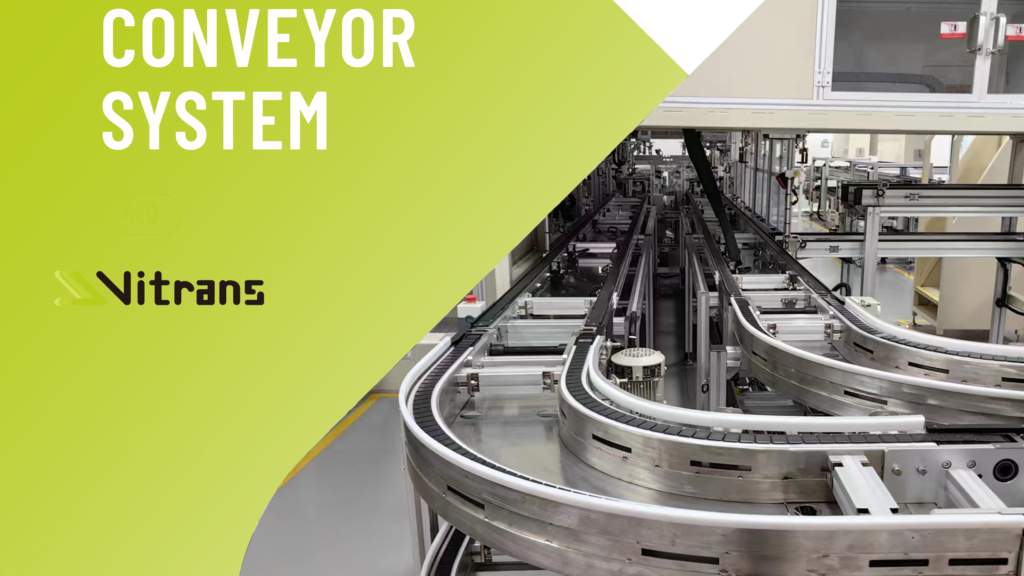
Modüler konveyörler şu konsept etrafında tasarlanmıştır değiştirilebilir yapı taşları. Sistem, kesintisiz bir yapı yerine düz kesitler, kurplar, tahrik üniteleri ve aktarma istasyonları gibi standartlaştırılmış modüllerden bir araya getirilir.
Bu modüler mimari, mühendislerin tüm sistemi yeniden inşa etmeden konveyör düzenini hızlı bir şekilde ayarlamasına olanak tanır.
Örneğin, bir üretim hattı genişlerse, tamamen yeni bir konveyör kurmak yerine mevcut sisteme ek modüller entegre edilebilir. Bu uyarlanabilirlik, modüler konveyörleri özellikle ürün hatlarının sık sık değiştiği sektörlerde değerli kılmaktadır.
Daha Az Bakım ve Daha Az Duruş Süresi
Bakım maliyetleri, fabrika işletme giderlerinin önemli bir bileşenidir. Geleneksel konveyörler, bir bileşen arızalandığında genellikle özel aletler veya teknisyenler gerektirir.
Modüler konveyör sistemleri bu süreci basitleştirir.
Çoğu parça standartlaştırıldığından, hasarlı bileşenler tüm hat sökülmeden hızlı bir şekilde değiştirilebilir. Birçok sistem aşağıdakiler için tasarlanmıştır aletsiz bakım, Bu da şirket içi teknisyenlerin onarımları hızla gerçekleştirmesine ve arıza süresini en aza indirmesine olanak tanır.
Pratik açıdan bu şu anlama gelir:
- Daha hızlı kayış değişimi
- Azaltılmış yedek parça envanteri
- Daha az üretim kesintisi
7/24 çalışan fabrikalar için her ay tasarruf edilen birkaç saatlik duruş süresi bile önemli maliyet düşüşlerine dönüşebilir.
-
 Bantlı Konveyör Genel Seri
 -
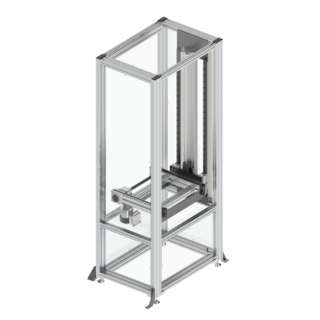 Üstten Konveyör Kaldırıcı | Asansör
 -
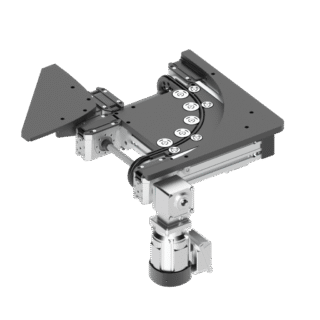 KV2/90 Derece Bantlı Konveyör Eğrisi
 -
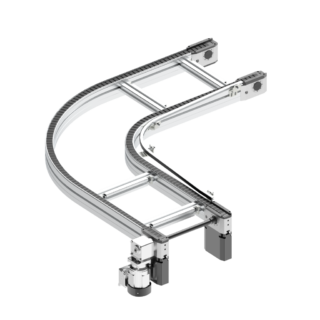 CV2/90 Derece Düz Üst Zincirli Konveyör Eğrisi
 -
.1-320x320.png) CV2/180 Derece Düz Üst Zincirli Konveyör Eğrisi
CV2/180 Derece Düz Üst Zincirli Konveyör Eğrisi -
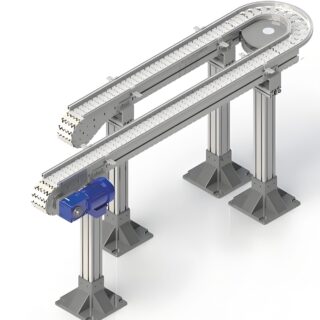 Vitrans Esnek Zincirli Konveyör | Esnek Palet Konveyörü
 -
 PC2 Plastik Zincirli Palet Konveyörü / Serbest Akış Konveyörü
 -
 AC2/H Makaralı Zincirli Konveyör//Serbest Akış Konveyörü
 -
 AC2 Makaralı Zincirli Palet Konveyörü/Serbest Akış Konveyörü
 -
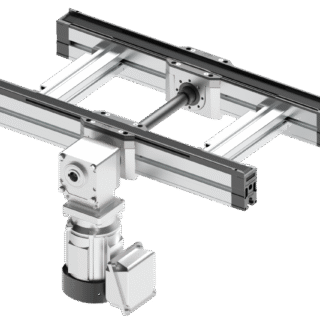 BC2 Zamanlama Bantlı Palet Konveyörü/Serbest Akış Konveyörü
Enerji Verimliliği ve Operasyonel Tasarruflar
Enerji tüketimi, uzun vadeli işletme maliyetlerini etkileyen bir diğer önemli faktördür. Modern modüler konveyör sistemleri, güç kullanımını optimize etmek için genellikle yüksek verimli motorlar ve değişken hızlı sürücüler içerir.
Bu sistemler konveyör hızını üretim talebine göre otomatik olarak ayarlayarak düşük yük koşullarında gereksiz enerji tüketimini azaltabilir. Sonuç olarak, bazı modüler sistemler geleneksel konveyör tasarımlarına kıyasla enerji kullanımını önemli ölçüde azaltabilir.
Birkaç yıllık çalışma süresi boyunca, bu enerji tasarrufları doğrudan yatırım getirisinin artmasına katkıda bulunur.
Gelecekteki Üretim İhtiyaçları için Ölçeklenebilirlik
Üretim nadiren uzun süre aynı kalır. Ürün varyasyonları, ambalaj değişiklikleri ve yeni ekipmanlar sıklıkla üretim düzeninde ayarlamalar yapılmasını gerektirir.
Modüler bir konveyör sistemi ile üretimin ölçeklendirilmesi çok daha kolay hale gelir. Büyük yapısal değişiklikler olmadan ek bölümler eklenebilir, çıkarılabilir veya yeniden konumlandırılabilir.
Bu ölçeklenebilirlik, üretim geliştikçe bile konveyör sisteminin fabrikanın ihtiyaçlarını desteklemeye devam etmesini sağlar. Sistem eskimek yerine işletmeyle birlikte büyür.
Finansal açıdan bakıldığında, bu durum toplam sahip olma maliyeti çünkü orijinal ekipman uzun yıllar boyunca kullanışlı kalmaktadır.
Yalın Üretimin Desteklenmesi
Günümüzde pek çok fabrika, verimliliğin, esnekliğin ve minimum israfın kritik önem taşıdığı yalın üretim ilkelerine göre çalışmaktadır.
Modüler konveyörler bu hedefleri şu şekilde destekler:
- Süreçler arasındaki malzeme akışının düzenlenmesi
- Elle taşıma ve iş gücü gereksinimlerinin azaltılması
- Hızlı yerleşim optimizasyonuna olanak tanır
Konveyör sistemleri, tekrarlayan taşıma görevlerini otomatikleştirerek işyeri güvenliğini de artırır ve çalışanlar için ergonomik riskleri azaltır.
Bu operasyonel iyileştirmeler daha iyi üretkenlik ve daha istikrarlı üretim çıktısı anlamına gelir.
Maliyet Tasarrufuna Gerçek Dünyadan Bir Örnek
Yeni bir ürün boyutunu piyasaya sürmesi gereken bir paketleme tesisini düşünün. Geleneksel bir konveyör sistemi ile mühendislerin tüm hattı yeniden tasarlaması veya ek ekipman kurması gerekebilir.
Modüler bir konveyör ile süreç çok daha basittir:
- Birkaç konveyör bölümünü çıkarın
- Gerekli boyutlara sahip yeni modüller ekleyin
- Düzeni güncellenen sürece uyacak şekilde ayarlayın
Haftalar süren kesinti ve önemli sermaye harcamaları yerine, yükseltme genellikle kısa bir bakım penceresinde tamamlanabilir.
Bu tür bir esneklik, birçok üreticinin modüler konveyörleri bir maliyet olarak değil, stratejik bir yatırım olarak görmesinin nedenidir.
Modüler Konveyörler Neden Akıllı Bir Uzun Vadeli Yatırımdır?
Otomasyon ekipmanını değerlendirirken, en düşük başlangıç fiyatı nadiren en iyi uzun vadeli çözümü temsil eder.
Modüler konveyör sistemleri, birçok temel işletme maliyetini azaltarak değer sağlar:
- Bakım ve yedek parçalar
- Üretim kesintisi
- Enerji tüketimi
- Gelecekteki sistem yükseltmeleri
Ölçeklenebilirlikleri ve güvenilirlikleri ile birlikte bu avantajlar, modüler konveyörleri modern fabrikalar için mevcut en uygun maliyetli malzeme taşıma çözümlerinden biri haline getirmektedir.
Sonuç
Hızla değişen üretim ortamında rekabetçi kalmayı hedefleyen fabrikalar için esneklik, verimlilik kadar önemlidir.
Modüler konveyör sistemleri her ikisini de sağlar.
Bakım maliyetlerini düşürerek, arıza sürelerini azaltarak, enerji verimliliğini artırarak ve gelecekteki genişlemeyi destekleyerek modüler konveyörler daha düşük işletme maliyetleri ve daha güçlü uzun vadeli yatırım getirisi.
Birçok üretici için modüler konveyörlere yatırım yapmak sadece bir ekipman kararı değil, daha uyarlanabilir ve uygun maliyetli bir üretim sistemi oluşturmaya yönelik bir stratejidir.