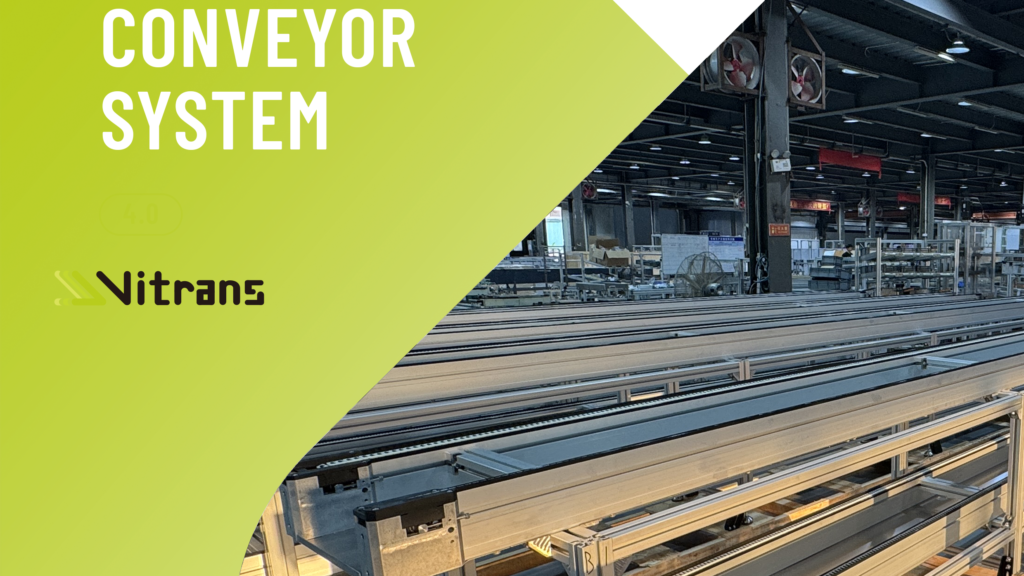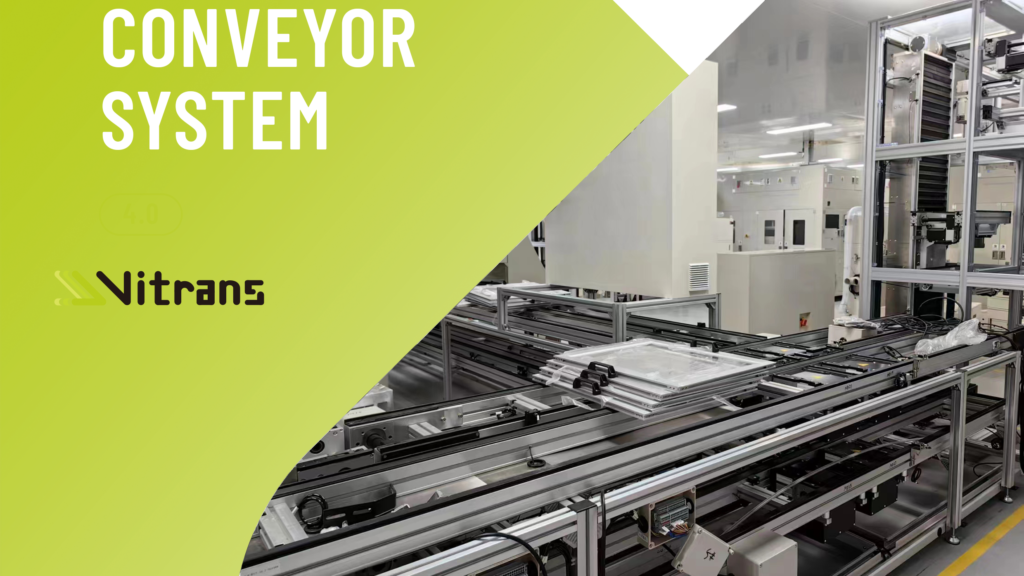


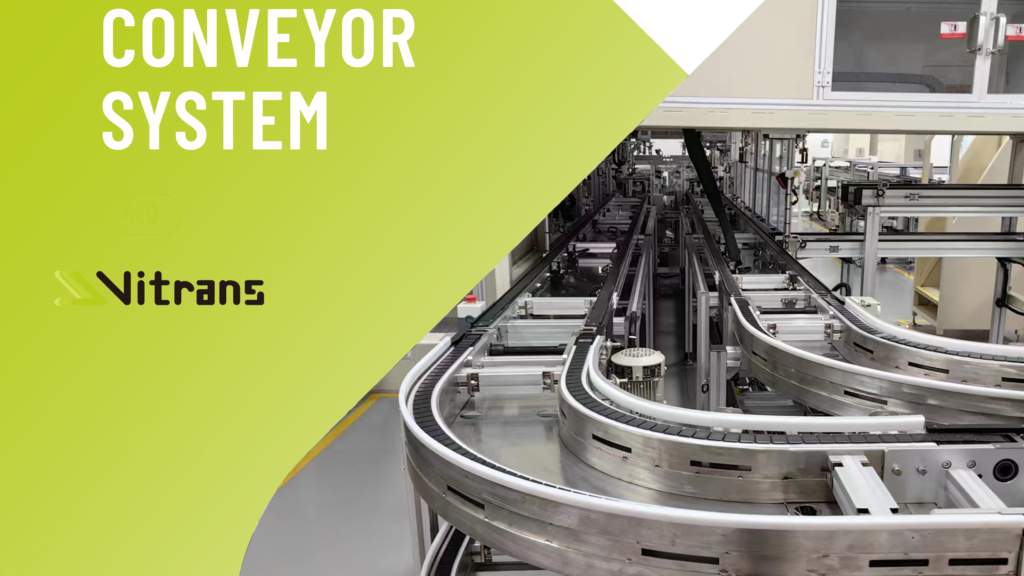
The round belt curve unit and flat top chain curve unit are two common turning modules for pallet conveying systems. They differ significantly in structure, load capacity and applicable working scenarios, so users need to make reasonable selections according to actual on-site conditions.
1. Features and Advantages of Round Belt Curve Unit
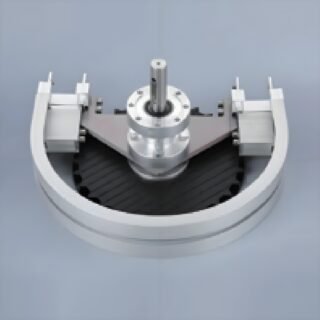
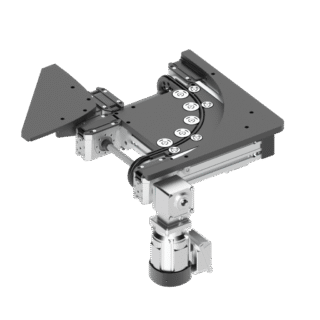
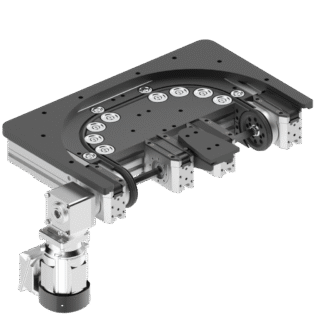
- Compact structure for light loadIt supports a single-section load of 20 to 30 kg. Adopting belt driving structure with small overall dimensions, it fits production lines with limited installation space perfectly.
- Anti-slip property and high flexibilityThe special round belt structure effectively prevents slipping and belt deviation. It enables smooth 90° and 180° turning, and the usable plane width is adjustable.
- Excellent cleanliness performanceSuitable for scenarios with strict cleanliness requirements, such as 3C electronics and food processing industries. With no chain-on-chain friction during operation, it brings very low risk of dust generation and contamination.
2. Features and Advantages of Flat Top Chain Curve Unit
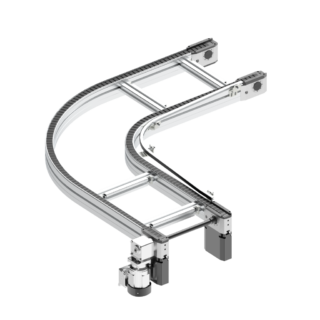
- Medium-to-high load bearing capacitySingle-section load ranges from 50 to 90 kg with outstanding running stability. It allows pallet accumulation and continuous conveying for medium-load workpieces.
- Great durability and precise guidingIt delivers accurate positioning and adapts to complex curved layout designs, widely deployed for medium-load conveying in auto parts, machinery manufacturing and other sectors.
- Modular expandabilityIt can be seamlessly combined with double-speed chain conveyors, roller conveyors and other line types to build multi-path conveying layouts. It supports both 90° and 180° turning to meet multi-angle transfer requirements.
(Image Source: Weichuang Automation)
3. Comparison Between Round Belt Curve and Flat Top Chain Curve
表格
| Performance Index | Round Belt Curve Unit | Flat Top Chain Curve Unit |
|---|---|---|
| Load Capacity | 20–30 kg | 50–90 kg |
| Space Occupation | Compact layout, ideal for narrow spaces | Requires larger installation footprint |
| Applicable Industries | Light-load industries with high cleanliness standards | Medium & heavy-load industries with complex routing |
| Maintenance Cost | Low; belt replacement is quick and easy | Relatively high |
These two curve modules can be selected flexibly based on line load, layout space and process requirements, and can even be mixed and matched within one single conveying system.
.1-320x320.png)
4. Service Life & Durability Comparison
4.1 Round Belt Curve Unit
Service Life
Round belts require periodic replacement, typically after roughly 30,000 operating kilometers or judged by actual operating conditions. The rubber belt material is prone to aging; its service life will be further shortened under high temperature or slightly overloaded conditions.
Maintenance Frequency
Daily inspection is required to check for cracks and foreign matter adhesion. Monthly cleaning and quarterly tension adjustment are necessary. The maintenance expense stays low, yet regular manual inspection and adjustment are indispensable.
Wear Performance
It runs stably under rated light load (20–30 kg). After long-term operation, slipping or edge abrasion may occur, which calls for timely repair or belt replacement.
4.2 Flat Top Chain Curve Unit
Service Life
Chain plates are made of metal or plastic steel with strong anti-fatigue performance. Under medium load of 50–90 kg, it can operate stably for 5 to 10 years with extremely low fracture probability.
Maintenance Frequency
Chain lubrication is needed every quarter or after accumulated operation of 1,000 working hours. Operators also need to inspect chain plate wear and guiding accuracy periodically. The single maintenance cost is higher, but maintenance cycles are much longer.
Wear Performance
The overlapped chain plate design reduces abrasion at gaps. Nevertheless, metal components will age faster if deployed in dusty or corrosive working environments.
Comprehensive Selection Recommendations
Choose the round belt curve unit preferentially for light-load applications with mild ambient conditions and tight maintenance budgets.
The flat top chain curve unit is a better choice for medium-heavy load scenarios that demand long-term stable operation and can accept moderate long-term maintenance investment.