

Automation technology has expanded into more and more industrial fields, drawing plenty of new talents to join this industry. Every newcomer to automation has to go through the tough learning curve from scratch. So what practical steps can you take to move from a total beginner to a fully proficient automation engineer?
1. Build a solid foundation of professional knowledge
All solid construction starts with basic building blocks. No matter how complex a whole system is, it relies on fundamental materials. The same logic applies to automation engineers: mastering core theoretical knowledge is non-negotiable.
Besides laying down the basics, you also need to keep learning consistently. Follow cutting-edge tech updates and industry trends to refresh your knowledge system over time.
2. Pick one niche field and master it thoroughly
One common mistake new people make is trying to learn everything at once without diving deep. When you’re just starting out, choose one high-demand subdivision that sparks your interest and focus all your practice and study there.
Only concentrated, long-term immersion in one sector can help you reach professional mastery. If you spread yourself too thin across countless technologies, you’ll end up without solid expertise in any single area.
3. Develop independent thinking for complete system design
A seasoned automation engineer doesn’t only know separate technical points—they maintain a big-picture mindset. You need to figure out matching hardware and software, work out mechanical frame layouts, and fully evaluate equipment usability, safety and long-term stability.
Continuous hands-on project practice is the best way to polish your system integration capability, which marks the first step toward advanced expertise.
4. Cultivate flexible problem-solving skills
You will inevitably run into all sorts of faults and roadblocks during project assembly and commissioning. Equipment itself is fixed, but your thinking shouldn’t be. When one solution hits a dead end, switch to alternative approaches; many technical issues can be resolved smoothly with flexible adjustments, so you can still hit your project targets.
For anyone new to automation, growing from entry-level to expert level is full of challenges. But as long as you stay grounded, keep studying, practice constantly and summarize every experience, you will gradually gain the ability to deliver full projects independently. Turning from a rookie into an industry specialist will no longer feel out of reach.
-
 Belt Conveyor General Series
 -
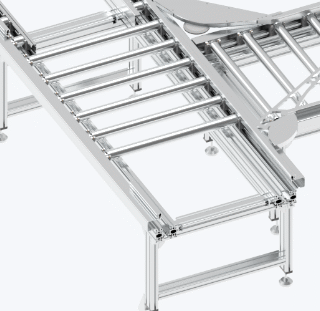 Heavy Duty Stackable Roller Conveyor
 -
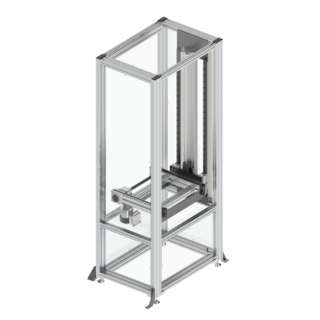 Overhead Conveyor Lifter | Elevator
 -
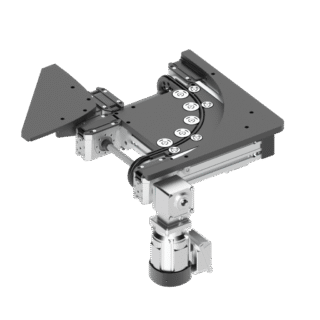 KV2/90 Degree Belt Conveyor Curve
 -
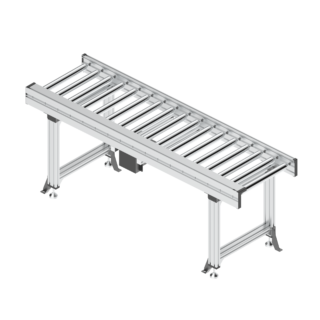 Light duty roller Conveyor
 -
 PC2 Plastic Chain Pallet Conveyor/Free Flow Conveyor
 -
 AC2/H Roller Chain Conveyor//Free Flow Conveyor
 -
 AC2 Roller Chain Pallet Conveyor/Free Flow Conveyor
 -
 BC2 Timing Belt Pallet Conveyor/Free Flow Conveyor
About Vitrans
Vitrans focuses on the R&D, manufacturing and sales of modular pallet conveyor systems. Our full product lineup covers timing belt conveyors, flat belt conveyors, flat top chain conveyors, double speed chain conveyors, powered roller conveyors, overhead chain conveyors, conveyor curve modules, vertical lifters, lifting positioning units and lifting transfer mechanisms.
We also deliver one-stop integrated supporting services for conveying lines, including robotic loading & unloading, custom tooling design and processing, elevator devices, dust shields, high-temperature resistant conveying equipment, electrical control matching, on-site assembly & commissioning, plus other non-standard customized conveying equipment.