

If you’re staring at a stalled production line because a vertical conveyor snapped, the “initial savings” on that equipment don’t mean much. In 2026, the gap between Heavy-Duty Chain Lifters y Belt Lifters is no longer just about the price tag—it’s about how much maintenance “drama” your floor can actually handle.
Choosing the wrong lift system is a fast track to unplanned downtime. Let’s cut through the sales brochures and look at how these two actually perform in a 24/7 high-pressure environment.
1. Heavy-Duty Chain Lifters: The “Brute Force” Choice
Think of chain lifters as the old-school tanks of the warehouse. They are built for one thing: moving heavy stuff without complaining. If you’re lifting pallets over 2,500kg, chains are usually your default answer.
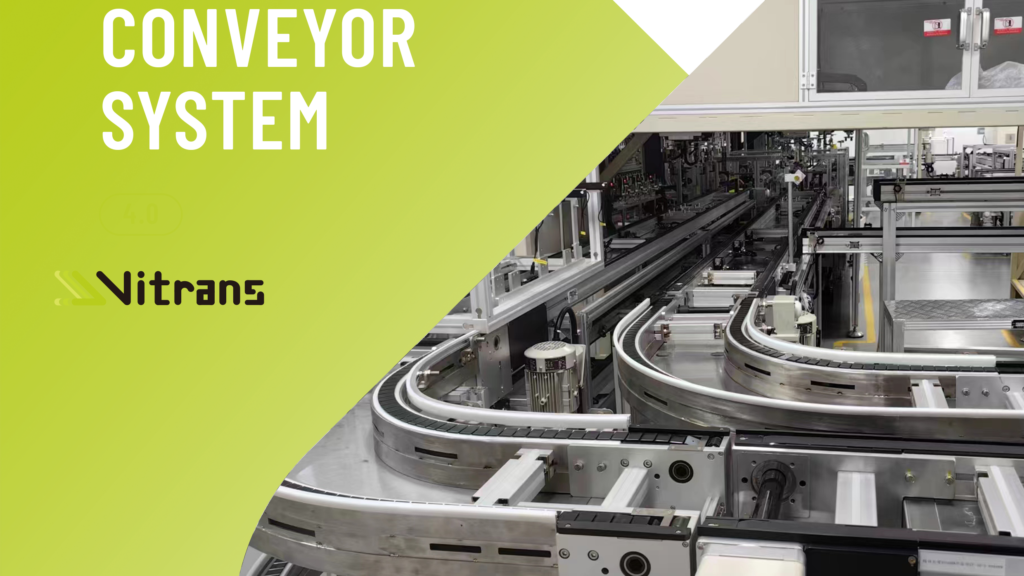
[Image of heavy-duty chain pallet lifter mechanism]
- The “Unbreakable” Factor: Chains handle the grit. If your factory has metal shavings, oil splashes, or extreme heat, a chain simply doesn’t care.
- The “Stretch” Problem: Here’s the catch. Chains stretch. Over time, you’ll deal with “chain elongation,” which messes up your positioning accuracy.
- The Grease Reality: You can’t run a chain dry. You’re looking at constant lubrication. If you’re in the food or pharma industry, that dripping oil is a total deal-breaker.
2. High-Performance Belt Lifters: The Precision Play
Belt lifters have come a long way. We’re not talking about thin rubber bands here; modern systems use steel-reinforced high-performance belts designed for the 2026 “Smart Factory” standard.
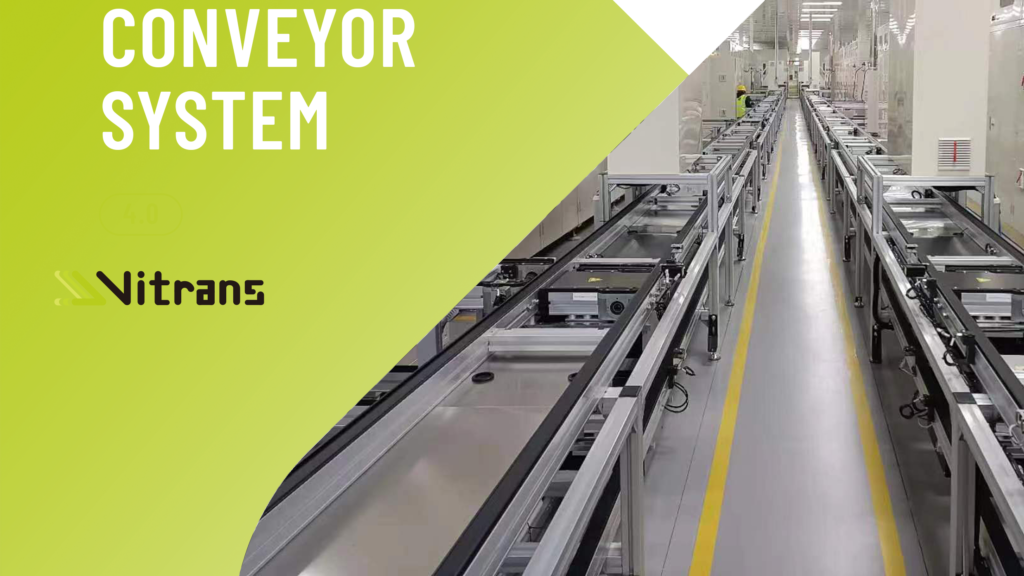
[Image of high-speed belt pallet lifter for warehouses]
- Quiet & Fast: If you’ve ever stood next to a chain lifter, you know that “clank-clank” noise. Belts are nearly silent. This matters for worker safety and meeting stricter noise regulations.
- Zero Contamination: No oil. Period. This is why FMCG and electronics plants are ditching chains.
- Lower Maintenance (Usually): You don’t “grease” a belt. You check it for wear and eventually replace it. It’s a much cleaner, faster swap than re-chaining a whole vertical tower.
3. The “No-Nonsense” Comparison Table
| The Realities | Chain Pallet Lifters | Belt Pallet Lifters |
|---|---|---|
| Max Weight | Virtually unlimited (5 tons+) | Usually tops out around 2.5 tons |
| Nivel de ruido | Like a freight train (75dB+) | A quiet hum (<60dB) |
| Mess Factor | High (Oil/Grease required) | Zero (Clean operation) |
| Positioning | Good (but drifts as chain wears) | Exceptional (Millimeter precision) |
4. The 2026 Cost Reality: It’s Not Just the Sticker Price
When you’re looking at the budget for 2026, don’t just look at the PO (Purchase Order). Look at the Coste total de propiedad (TCO).
- Labor Costs: In today’s market, tech labor is expensive. A chain lifter that needs bi-weekly tensioning and lubing is a money pit.
- Energy Consumption: Belt systems are lighter. They take less “oomph” to get moving, which can shave 5-10% off your energy bill if you’re running hundreds of cycles a day.
- Downtime: A snapped belt is a 2-hour fix. A derailed or snapped heavy-duty chain? You might be down for a full shift.
5. The Verdict: What Should You Buy?
Pick a Chain Lifter if: You’re in heavy manufacturing (engines, raw steel), your pallets are “dirty” or damaged, and you need to move over 3 tons consistently.
Pick a Belt Lifter if: You run a high-speed fulfillment center, you need to keep the noise down, and you want to eliminate the “maintenance headache” of lubrication.
Still undecided on the vertical layout for your 2026 facility upgrade?
Would you like our engineering team to generate a custom ROI comparison table based on your specific pallet weight and hourly cycle requirements?