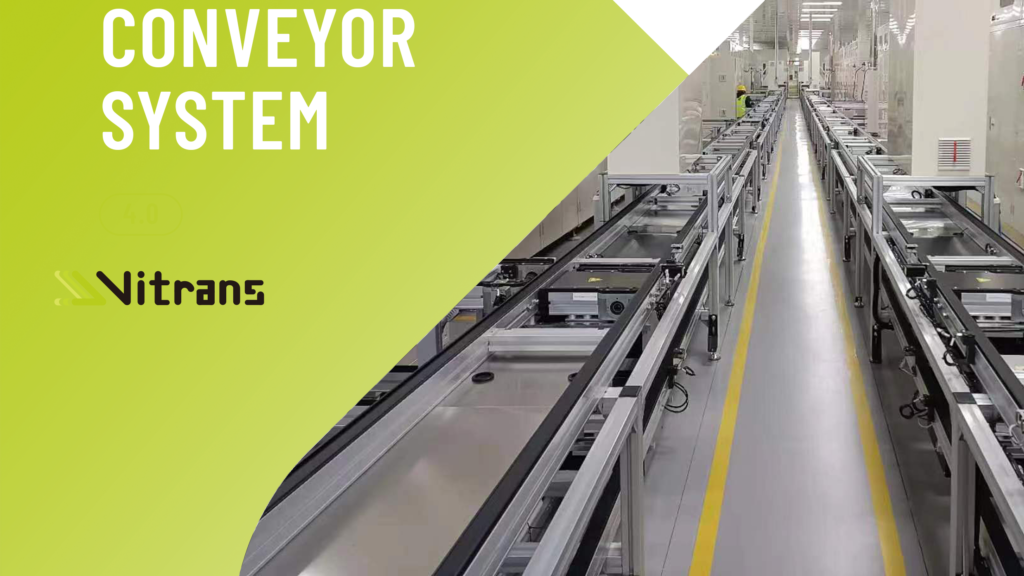


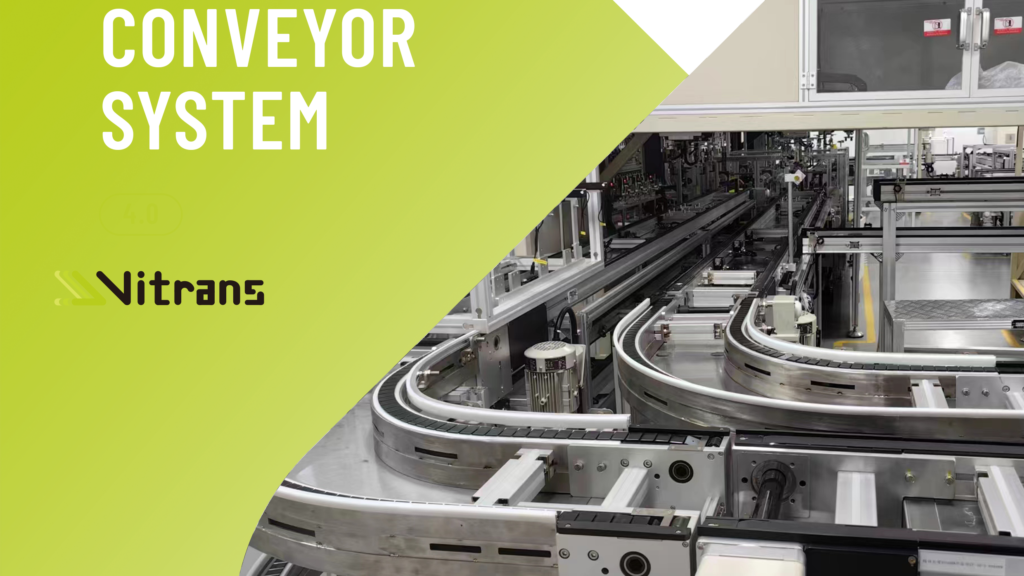
Las cintas transportadoras son equipos fundamentales de transporte continuo en la producción industrial, ampliamente utilizados en los sectores de la electrónica 3C, el procesamiento de alimentos, la fabricación de precisión, la energía fotovoltaica y otras industrias. Permiten transportar de manera eficiente y en una dirección determinada piezas pequeñas y materiales a granel.
Como componente clave de las cintas transportadoras, los rodillos desempeñan funciones fundamentales, entre las que se incluyen el soporte, el accionamiento y la corrección de la desviación de la cinta. Sin embargo, a menudo se pasan por alto muchos detalles relacionados con la selección, la aplicación y el diseño de los rodillos, lo que afecta directamente la estabilidad de funcionamiento del equipo, la eficiencia del transporte y la vida útil. Este artículo enumera siete puntos clave esenciales sobre los rodillos de las cintas transportadoras, lo que te ayudará a evitar errores comunes y a operar el equipo de manera eficiente.
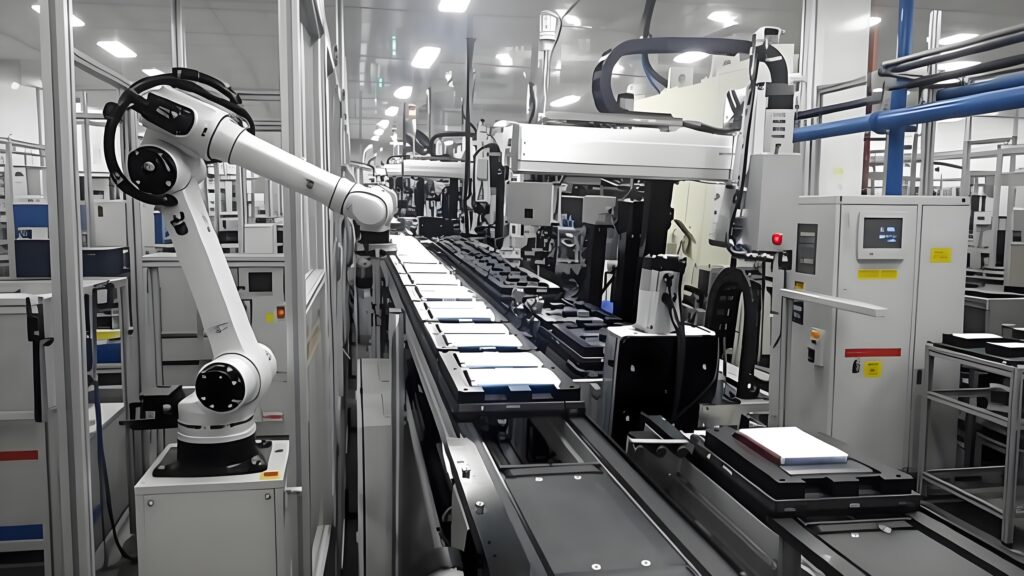
1. Nunca se deben utilizar rodillos de guía para tensar la correa
Los rodillos de apoyo son componentes fundamentales de las cintas transportadoras, ya que reducen eficazmente la fricción durante el transporte y son adecuados para situaciones de transporte de largas distancias y cargas pesadas.
No obstante, está estrictamente prohibido utilizar rodillos tensores como soporte para cualquier tipo de tensado de la correa. Incluso con un ángulo de envoltura pequeño, la tensión generada durante el tensado causará daños estructurales en el rodillo tensor y provocará fallas en el equipo. Para tensar la correa se debe utilizar un mecanismo de tensado específico, en lugar de sustituirlo por rodillos tensores comunes.
2. Los rodillos de guía no son lo mismo que los rodillos comunes sin motor
Los rodillos comunes sin motor funcionan de manera pasiva únicamente cuando pasan los productos, operando en condiciones de baja carga. Por el contrario, los rodillos de apoyo mantienen un contacto a alta velocidad y una rotación continua con la correa, lo que genera una gran cantidad de electricidad estática debido a la fricción —un problema que suele pasarse por alto en el diseño real—.
Las medidas para eliminar la electricidad estática deben integrarse en el diseño, lo cual también es obligatorio para los transportadores por fricción con correa inferior, a fin de evitar que la electricidad estática afecte la precisión del transporte y la seguridad del producto.

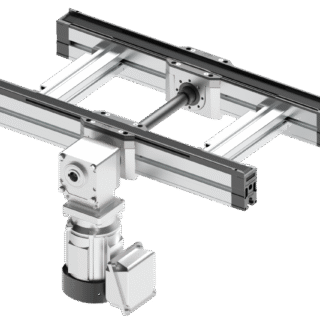
3. La reducción del ruido de las ruedas locas se centra en la instalación y los accesorios
La vibración generada por la rotación a alta velocidad es la principal fuente de ruido de las ruedas locas. El montaje con rosca interna es superior al montaje por ajuste a presión con resorte, ya que evita la holgura entre el eje y los orificios de montaje del bastidor y reduce de manera significativa el ruido causado por la vibración. Si se opta por el montaje por ajuste a presión con resorte, se debe eliminar la holgura de montaje lo antes posible.
Además, el uso de conjuntos de cojinetes silenciosos puede optimizar aún más el rendimiento en la reducción de ruido, adaptándose perfectamente a entornos de procesamiento de precisión sensibles al ruido, como la fabricación de relojes y joyería.
4. Cómo seleccionar los rodillos de transmisión para un funcionamiento que ahorre trabajo y sea altamente eficiente
Para maximizar el rendimiento de los rodillos de transmisión, se debe dar prioridad a los rodillos de gran diámetro (los diámetros comunes de las poleas de 30 mm y 50 mm para cintas transportadoras proporcionan una fuerza de transmisión mayor que los de menor tamaño). Por otra parte, un recubrimiento de poliuretano o de hule en la superficie del rodillo puede aumentar la fricción y mejorar la capacidad de transmisión.
Está estrictamente prohibido aplicar un tratamiento de moleteado a los rodillos de tracción. Aunque el moleteado puede aumentar la fricción, rayará la correa, acelerará su desgaste y acortará la vida útil de la cinta transportadora.
5. Rodillos con corona: una solución económica para corregir la desviación de la correa
La desviación de la banda es una falla común en los equipos de transporte, especialmente en las líneas de transporte reversibles. En situaciones en las que no hay una gran fuerza axial externa, como en la alimentación lateral, los rodillos abombados son la opción más sencilla y económica para corregir la desviación.
Gracias al mecanizado cónico en ambos extremos, los rodillos abombados permiten la alineación automática de la cinta sin necesidad de estructuras mecánicas complicadas, satisfaciendo así las necesidades de corrección de desviación de la mayoría de las cintas transportadoras generales y de doble fila.
6. Los rodillos de alta velocidad deben someterse a una calibración de equilibrio dinámico y estático
Debido a la estructura irregular del material y a los errores de mecanizado, el centro de masa del rodillo suele desviarse del centro de rotación. Al funcionar a alta velocidad, esto provoca vibraciones en el equipo, acelera el desgaste de los cojinetes e incluso puede generar riesgos potenciales para la seguridad.
Todos los rodillos de las cintas transportadoras de alta velocidad deben someterse a una calibración de equilibrio dinámico y estático para garantizar un funcionamiento estable y prolongar su vida útil mecánica.
7. La selección del diámetro de los rodillos delantero y trasero se rige por normas profesionales
Si la cinta transportadora utiliza un accionamiento central en lugar de uno en los extremos, no se recomienda el uso de rodillos de gran diámetro en los extremos delantero y trasero.
Los rodillos de cabeza y cola de gran tamaño no aportan ninguna mejora evidente a la fuerza de tracción, pero aumentan el espacio de conexión con los equipos situados aguas arriba y aguas abajo, lo que puede provocar fácilmente atascos de material. Solo los rodillos de tracción deben tener un diseño de gran diámetro para lograr una mayor capacidad de tracción, mientras que los rodillos de cabeza y cola solo deben ajustarse a las especificaciones generales del sistema de transporte.
Conclusión
Los rodillos constituyen la estructura central de las cintas transportadoras. Los siete puntos clave —aplicación de los rodillos de apoyo, protección contra descargas estáticas, optimización de la reducción de ruido, selección de los rodillos de accionamiento, diseño de la corrección de desviaciones, calibración del equilibrio y adaptación de los rodillos de cabeza y cola— abarcan todo el proceso, desde el diseño de los rodillos hasta su aplicación en el sitio.
Dominar estos puntos clave permite evitar de manera efectiva las fallas en los equipos y la pérdida de material, mejorar la eficiencia del transporte y prolongar la vida útil de los equipos, lo que garantiza un funcionamiento estable y eficiente de diversas cintas transportadoras, tanto anchas como estrechas, en las líneas de producción.