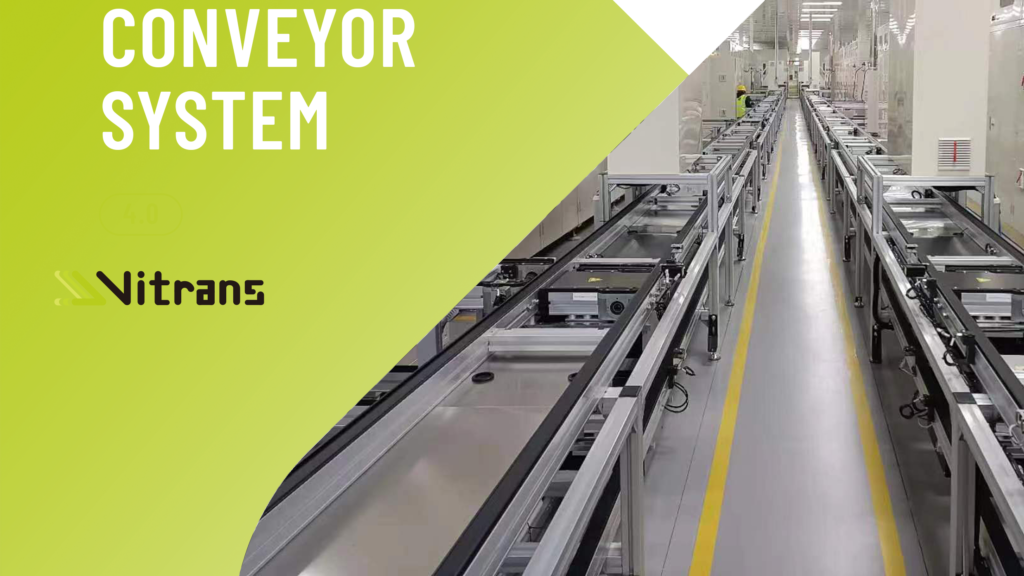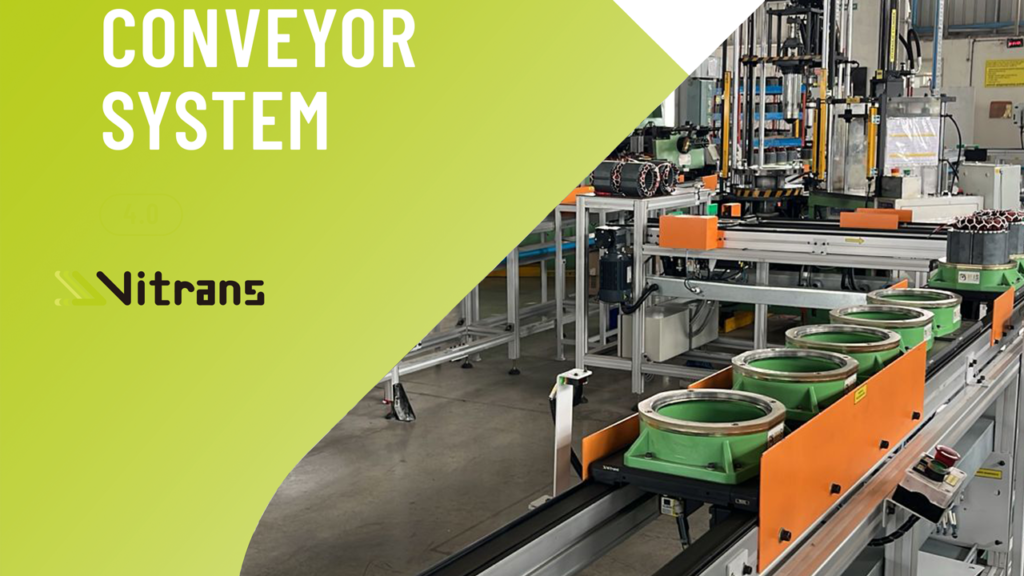


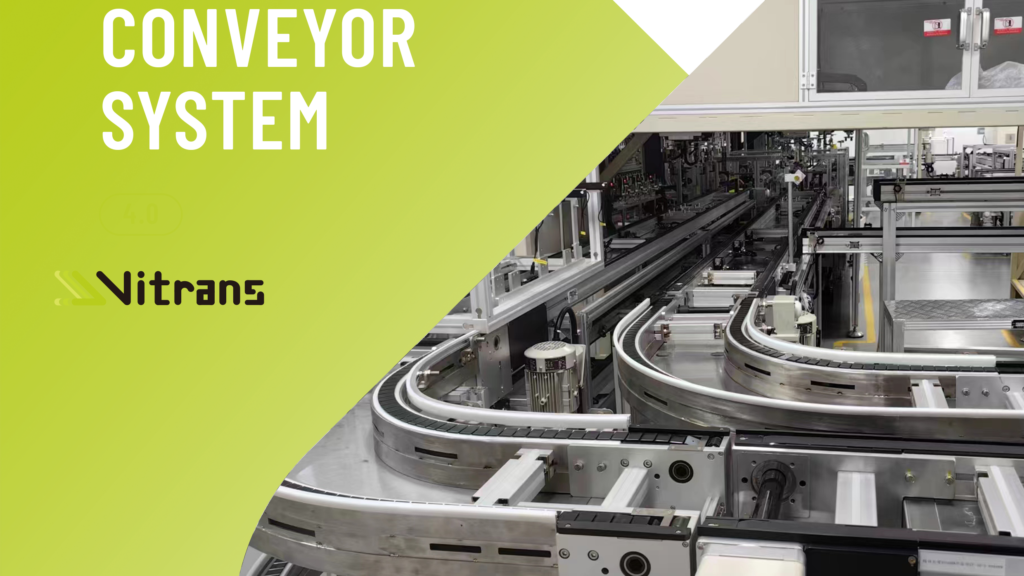
Thanks to its lightweight, compact and fully standardized structure, flexible chain plate conveyors feature fast installation, quiet running and zero dust generation. These strengths have made them widely adopted across various industries and greatly streamlined factory production workflows.
Flexible chain plate conveyors have been available on the market for decades, yet many manufacturers still lack a full understanding of their correct operation. Below we sort out critical environmental requirements and standard operation rules to extend service life and avoid unexpected downtime.
Basic Environmental Restrictions
- Keep the conveyor away from acid, alkali, oil stains and standing water; chain plates shall not come into contact with these contaminants during operation.
- Stay clear of high-temperature heat sources; avoid long-term direct sunlight exposure and outdoor rain soaking.
- Control workshop ambient temperature between -10°C and 40°C, with relative humidity maintained at 50% ~ 80%.
Seven Standard Operation Specifications
- Do not connect chain plates of different types or different specifications on one single conveyor line.
- Handle and store chain plates with care; prevent sharp heavy objects from squeezing or folding the plates.
- Run the conveyor without load before formal feeding to avoid motor overload and chain slipping. Clear all workpieces off the line before shutting down the machine.
- Match the conveying direction and falling speed of incoming materials to the running direction and linear speed of the chain plate.
- Avoid excessive tension on the chain. Adjust tension to the minimum possible value as long as no slipping occurs on drive rollers.
- Watch for chain plate deviation or serpentine movement during operation; make timely calibration once deflection appears.
- If slipping or stalling happens, troubleshoot the root cause immediately, adjust the tensioning assembly and ensure the tensioner moves flexibly.
Smooth operation of flexible chain plate conveyors directly determines overall production throughput. Mastering these standard operating rules before startup prevents improper operation, unplanned line stoppages and delayed order deliveries.