

경영진 요약
에 대한 투자 유연한 체인 컨베이어 이는 향후 수년 동안 귀사의 생산 효율성, 제품 품질, 그리고 수익성에 영향을 미치는 중요한 결정입니다. 수십 개의 제조업체, 수백 가지의 구성 옵션, 그리고 최대 300%에 달하는 가격 변동폭을 고려할 때, 적합한 시스템을 선택하는 일은 막막하게 느껴질 수 있습니다.
이 포괄적인 구매자 가이드에는 Vitrans의 10년 이상의 제조 경험이 집약되어 있으며, 7가지 핵심 요소 유연한 체인 컨베이어를 구매하기 전에 반드시 검토해야 합니다.
간단한 체크리스트:
- ✅ 제품의 특성(크기, 무게, 모양)을 정의하세요.
- ✅ 필요한 용량과 속도 계산하기
- ✅ 레이아웃 유연성 요구 사항 평가
- ✅ 체인과 소재의 호환성 평가
- ✅ 구동 시스템 옵션 검토
- ✅ 통합 및 제어 방안 검토
- ✅ 총 소유 비용(단순 구매 가격뿐만 아니라)을 분석하세요
이 가이드를 다 읽으시면, 여러분의 용도에 딱 맞는 유연한 체인 컨베이어를 선정하는 데 필요한 지식을 갖추게 될 뿐만 아니라, 비용이 많이 드는 실수도 피할 수 있게 될 것입니다.

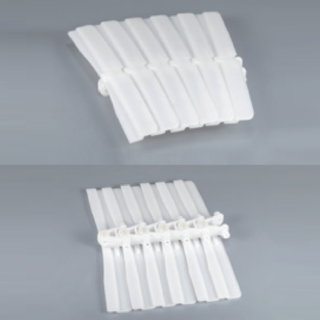
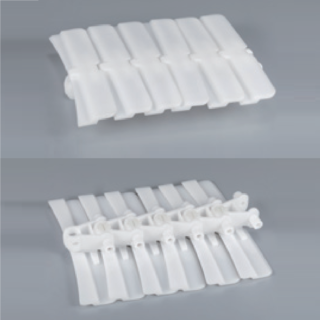
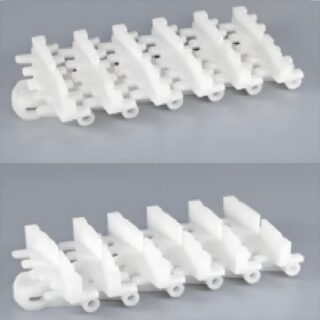
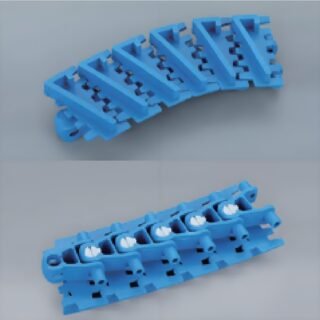
목차
- 유연한 체인 컨베이어란 무엇인가요?
- 요인 1: 제품 특성
- 요인 2: 용량 및 속도 요구 사항
- 요인 3: 레이아웃 유연성
- 요인 4: 체인 유형 및 재질
- 요소 5: 구동 시스템 및 출력
- 요인 6: 통합 및 통제
- 요인 7: 총 소유 비용
- 피해야 할 흔한 실수들
- Vitrans 선택 도구
- 자주 묻는 질문
- 맞춤형 견적 받기
1. 플렉시블 체인 컨베이어란 무엇인가요?
정의
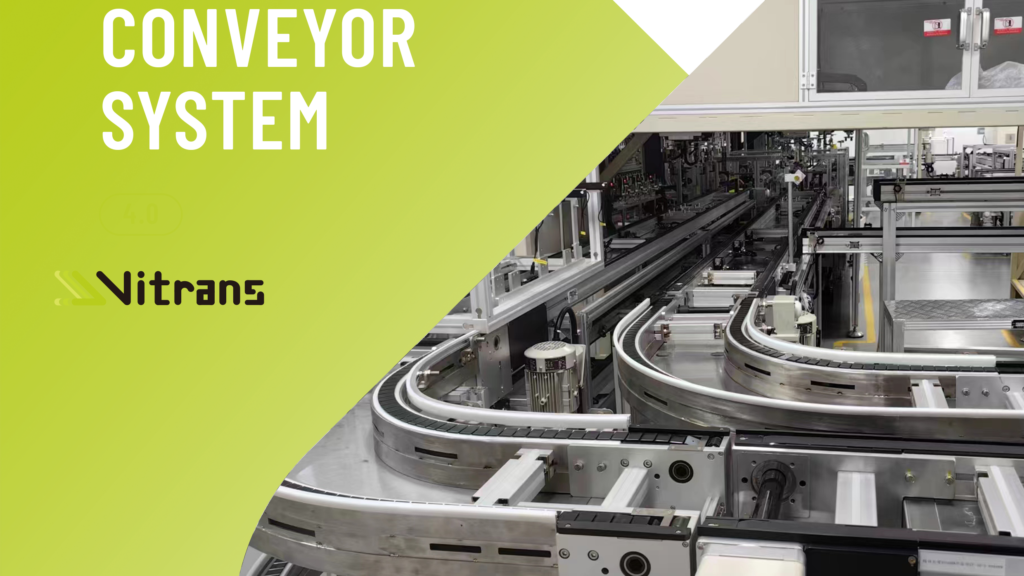
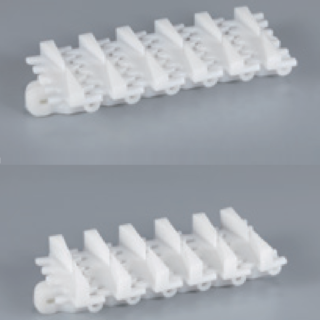
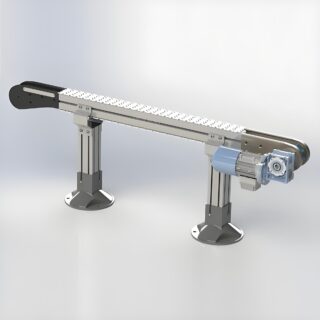
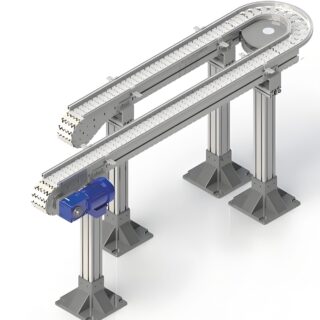
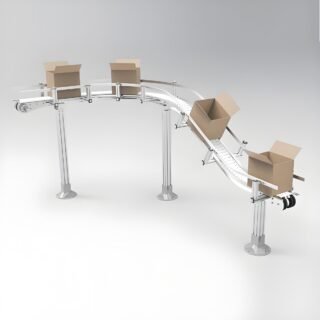
A 유연한 체인 컨베이어 (플렉스 체인 컨베이어, 모듈식 체인 컨베이어 또는 플라스틱 체인 컨베이어라고도 함)는 서로 맞물리는 플라스틱 체인 링크를 사용하여, 기존의 벨트나 롤러 컨베이어와는 달리 수평 곡선 구간, 오르막 및 내리막을 통과할 수 있는 이송면을 형성합니다.
독보적인 장점
✅ 다방향 이동 – 환승역 없이 코너를 통과할 수 있습니다✅ 제품 안정성 – 견고한 수납면 덕분에 작은 물건이 떨어지는 것을 방지합니다✅ 위생 설계 – 세척 및 소독이 간편하며, FDA 승인을 받은 소재로 제작되었습니다✅ 조용한 작동 – 플라스틱과 플라스틱 간의 마찰이 거의 없습니다✅ 모듈식 및 확장 가능 – 섹션을 쉽게 추가하거나 삭제할 수 있습니다
대표적인 적용 분야
| 산업 | 애플리케이션 | 왜 플렉서블 체인인가 |
|---|---|---|
| 음료 | 병·캔 이송 | 곡선, 축적, 섬세한 조작 |
| 식품 가공 | 패키징 라인 | 위생, 세척, 제품 안정성 |
| 제약 | 케이스 포장 | 청정실, 정밀한 위치 결정 |
| 화장품 | 충진 및 캡핑 | 이동 시 매끄럽고, 긁힘 없음 |
| 물류 | 분류 시스템 | 다방향 라우팅 |
요인 1: 제품 특성
제품 크기 및 무게
| 측정 | 그것이 중요한 이유 | 사양에 미치는 영향 |
|---|---|---|
| 길이 × 너비 × 높이 | 컨베이어 폭과 측면 가이드 높이를 결정합니다. | 제품 하부에 최소 3개의 체인 지지대 |
| 무게 | 체인 강도, 모터 출력, 프레임 설계에 영향을 미칩니다 | 가벼운 (10kg) |
| 바닥면 | 연쇄 유형과 마찰에 미치는 영향 | 평평한, 늑골이 있는, 오목한, 불규칙한 |
온도 관련 고려 사항
| 온도 범위 | 권장 체인 재질 |
|---|---|
| -40°C ~ 0°C | 저온 첨가제가 함유된 폴리프로필렌(PP) |
| 0°C ~ 80°C | 표준 POM (아세탈) |
| 80°C ~ 150°C | 고온용 POM 또는 PPS |
| 150°C ~ 250°C | PEEK (비싸지만 필수적인 소재) |
⚠️ 핵심 질문: 컨베이어가 극한 온도 환경에서 작동할 예정입니까? 표준 체인은 정격 온도 범위를 벗어나면 빠르게 고장납니다.
요인 2: 용량 및 속도 요구 사항
필요 용량 계산
수식:
처리 능력 (개/시간) = (3600 × 라인 속도) / (제품 길이 + 간격)
용도별 속도 범위
| 애플리케이션 | 일반적인 속도 범위 | 참고 |
|---|---|---|
| 병입/통조림 공장 | 15~60 m/min | 고속 충전 라인 |
| 케이스 이송 | 10-30m/분 | 더 무거운 하중, 더 느린 속도 |
| 누적 | 5~20 m/min | 제어된 큐잉 |
| 정밀 조립 | 2~10 m/min | 정확한 위치 지정이 필요합니다 |
💡 전문가 팁: 최대 수요에 대비한 규모로, 향후 성장을 위한 20%의 여유 공간을 확보했습니다.
요인 3: 레이아웃 유연성
곡선 처리 기능
| 곡선 유형 | 최소 반경 | 대표적인 적용 분야 |
|---|---|---|
| 30° 곡선 | 300~600mm | 미세한 방향 변화 |
| 45° 커브 | 300~600mm | 중간 강도의 회전 |
| 90° 커브 | 450~900mm | 코너 내비게이션 |
| 180° 급선회 | 600~1200mm | 반환 루프, 공간 최적화 |
상승/하강 한계
| 체인 유형 | 최대 경사도 | 필수 사항 |
|---|---|---|
| 플랫 탑 | 15° | 고마찰 체인 또는 클리트 |
| GripTop (질감 처리) | 25° | 제품에 대한 그립감 향상 |
| 클리트 장착 | 35° | 제품 재구매율 |
요인 4: 체인 유형 및 재질 선정
일반적인 체인 재질
| 재료 | 온도 범위 | 최상의 대상 | 비용 |
|---|---|---|---|
| POM (아세탈) | -40°C ~ +100°C | 범용, 식품 등급 | $$ |
| PP (폴리프로필렌) | 0°C ~ +80°C | 내화학성, 예산 | $ |
| PPS | -50°C ~ +180°C | 고온 용도 | $ |
| PEEK | -80°C ~ +260°C | 극한 상황, 의료 | $$ |
체인 표면 무늬
| 패턴 | 설명 | 최상의 대상 |
|---|---|---|
| 플랫 탑 | 매끄러운 표면 | 일반 이송, 안정적인 제품 |
| GripTop | 질감이 있는 표면 | 경사면, 미끄러운 제품 |
| 플러시 그리드 | 열린 격자 무늬 | 배수, 기류, 냉각 |
| 클리트 장착 | 돌출된 리브 | 가파른 경사, 제품 분리 |
| 측면 굽힘 | 관절식 링크 | 반경이 작은 곡선 |
요소 5: 구동 시스템 및 전력 요구 사항
모터 유형 비교
| 모터 유형 | 장점 | 단점 | 최상의 대상 |
|---|---|---|---|
| AC 유도 | 비용 대비 효율이 뛰어나고 신뢰할 수 있는 | 정속 (VFD 필요) | 일반적인 용도 |
| 기어모터 | 컴팩트하고, 사전 매칭된 | 유연성이 떨어짐 | 독립형 컨베이어 |
| 서보 | 정밀한 위치 제어 | 비용 증가 | 색인 생성, 동기화 |
| 브러시리스 DC | 에너지 효율이 높고, 소음이 적음 | 복잡한 설정 | 신규 설치 |
VFD가 필수적인 경우
- 속도가 서로 다른 여러 종류의 제품
- 상류/하류 장비와의 동기화
- 취약품에 대한 점진적인 가속
- 원격 속도 조절 요건
요인 6: 통합 및 통제
제어 시스템 단계
| 레벨 | 설명 | 최상의 대상 |
|---|---|---|
| 레벨 1: 기본 켜기/끄기 | 간단한 시작/정지 버튼 | 독립형, 수동 라인 |
| 레벨 2: 가변 속도 | 로컬 HMI가 탑재된 VFD | 단일 라인 작업 |
| 3단계: PLC 제어된 | 프로그래머블 로직, 센서 | 자동화 라인 |
| 4단계: SCADA/MES | 전 공장 모니터링, OEE | 기업 통합 |
통신 프로토콜
기존 시스템과의 호환성을 확보하십시오:
- 프로피버스/Profinet: 유럽산 장비
- 이더넷/IP: 앨런-브래들리 생태계
- ModbusTCP: 보편적이고 단순하다
- CC-Link: 미쓰비시 시스템
요인 7: 총 소유 비용(TCO)
10년간의 비용 구성 요소
| 비용 항목 | TCO의 % | 참고 |
|---|---|---|
| 첫 구매 | 25-35% | 컨베이어, 모터, 제어 장치 |
| 설치 | 10-15% | 시공, 설비 설치, 시운전 |
| 에너지 소비량 | 15-20% | 10년간의 전력 사용량 |
| 유지 관리 | 15-20% | 예비 부품, 인건비, 가동 중단 시간 |
| 체인 교체 | 10-15% | 보통 2~3회 교체합니다 |
| 가동 중단 비용 | 10-25% | 생산 손실 (종종 간과되곤 합니다!) |
가격 비교: 저가형 vs. 프리미엄 vs. Vitrans
시나리오: 30미터 유연한 체인 컨베이어, 중형 등급
| 공급업체 등급 | 구매 가격 | 예상 수명 | 연간 유지 관리 | 10년 총 소유 비용(TCO) |
|---|---|---|---|---|
| 저가형 (중국산 무브랜드 제품) | $8,000 | 5년 | $2,500 | $43,000 |
| Vitrans (중국) | $14,000 | 10년 이상 | $1,200 | $28,000 |
| 프리미엄 (유럽 브랜드) | $28,000 | 15년 이상 | $800 | $40,000 |
💡 핵심 통찰: 가장 저렴한 옵션은 조기 교체와 높은 유지보수 비용으로 인해 10년 동안 총 50%+ 더 많은 비용이 드는 경우가 많습니다.
피해야 할 흔한 실수들
❌ 실수 1: 컨베이어 용량을 너무 작게 잡는 것
문제: 비용 절감을 위한 최소 폭 선정결과: 제품 막힘, 가장자리 손상, 잦은 정지솔루션: 양쪽에 50~100mm의 여유 공간을 확보하십시오
❌ 실수 2: 향후 출시될 제품을 간과하는 것
문제: 현재 제품만을 대상으로 한 설계결과: 제품 라인이 확대될 경우 비용이 많이 드는 개조 작업이 필요함솔루션: 20%에 추가 용량과 폭을 확보하십시오
❌ 실수 3: 축적 구간 건너뛰기
문제: 기계 사이에 버퍼가 없음결과: 한 대의 기계에 오류가 발생하면 전체 라인이 정지합니다솔루션: 2~3미터 높이의 적설 구간 추가
❌ 실수 4: 중요한 라인에 값싼 체인을 사용하는 것
문제: 최저 비용 체인을 활용하여 예산 절감결과: 체인 늘어남, 파단, 예기치 않은 가동 중단솔루션: 주 라인에는 고품질 체인을 사용하십시오
❌ 실수 5: 유지보수 시 접근성이 떨어짐
문제: 컨베이어가 벽에 너무 가까이 설치되어 있습니다결과: 정기 유지보수를 수행할 수 없습니다솔루션: 600mm 폭의 통로를 확보하십시오
Vitrans 유연형 체인 컨베이어 선정 도구
간단한 체크리스트
1단계: 제품 정보
- 제품 크기: ___ × ___ × ___ mm
- 제품 무게: ___ kg
- 작동 온도: ___°C ~ ___°C
2단계: 용량
- 필요한 처리량: ___ 단위/시간
- 라인 속도: ___ m/min
3단계: 레이아웃
- 총 길이: ___ 미터
- 곡선 개수: ___ (각도: ________)
- 경사도/하강도: ___°
4단계: 환경
- 실내/실외: ________________
- 세척 필요: 예/아니오
5단계: 예산 및 일정
- 목표 예산: $________________
- 배송 희망일: ________________
👉 체크리스트를 준비하여 Vitrans에 문의하세요
자주 묻는 질문
Q1: 플렉시블 체인의 수명은 보통 얼마나 되나요?
A: 적절한 유지보수를 실시할 경우, POM 체인은 일반적인 조건에서 2~5년 동안 사용할 수 있습니다. 고온 또는 마모가 심한 환경에서는 수명이 1~2년으로 단축될 수 있습니다. 정기적인 세척과 장력 점검을 통해 수명을 최대한 연장할 수 있습니다.
Q2: 플렉시블 체인 컨베이어는 젖거나 기름기가 있는 제품을 운반할 수 있습니까?
A: 네! 배수를 위해 평면형 그리드나 천공 체인을 선택하세요. POM 소재는 오일 및 대부분의 화학 물질에 내성이 있습니다. 세척 빈도가 잦은 경우, 스테인리스 스틸 프레임과 IP65 등급 모터를 지정하세요.
Q3: 사이드 플렉싱 체인과 일반 체인의 차이점은 무엇인가요?
A: 측면 굴곡 체인은 관절식 링크를 갖추고 있어 측면으로 구부러질 수 있으며, 덕분에 더 작은 반경의 곡선 주행이 가능합니다. 가격은 30~50% 더 비싸지만 바닥 공간을 절약할 수 있습니다.
Q4: 플렉시블 체인에 윤활유를 발라야 하나요?
A: 대부분의 최신 유연 체인은 윤활유 없이(건식) 작동합니다. 윤활유는 이물질을 끌어당겨 조기 마모를 유발할 수 있습니다. 예외: 일부 고속 병입 라인에서는 냉각을 위해 물을 분사하기도 합니다.
Q5: 맞춤형 플렉시블 체인 컨베이어의 납기 기간은 어떻게 되나요?
A: 표준 사양: 3~4주. 맞춤형 디자인: 5~8주. Vitrans는 긴급 프로젝트의 경우 15~20%의 추가 요금을 부과하고 2주 소요되는 신속 생산 서비스를 제공합니다.
Vitrans에서 맞춤형 견적을 받아보세요
🎁 무료 상담 내용:
✅ 신청서 심사 – 최적의 구성 권장 사항✅ CAD 배치도 – 2D/3D 시각화✅ 상세 견적서 – 세부 내역이 포함된 견적 및 일정✅ 체인 샘플 – 무료 평가용 샘플 키트✅ 경쟁사 비교 – 가격 및 기능 분석
📞 지금 바로 Vitrans에 문의하세요
이메일: sales@vitrans.com
💼 500개 이상의 기업이 Vitrans를 선택한 이유:
- 🏭 10년 이상의 전문 경력
- 💰 40-60% 비용 절감 대 유럽·미국 브랜드
- ⚡ 빠른 배송: 3~4주 (일반 배송)
- 🔧 완전한 맞춤 설정
- 🌍 전 세계 설치 지원
- 📜 CE, ISO 9001, FDA 인증