

OEM과 표준 컨베이어: 맞춤형 제조가 경제적인 경우
소개 $50,000 질문
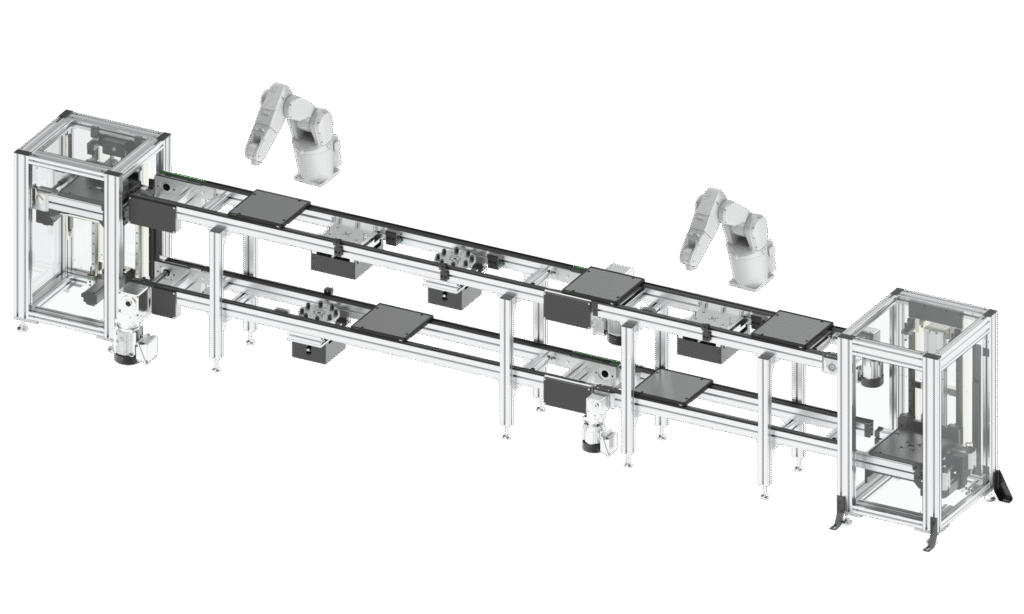
생산 라인을 확장하고 있으며 새로운 컨베이어 시스템이 필요합니다. 두 개의 견적을 받았습니다:
- 표준 컨베이어: $45,000, 3주 배송, 제한된 구성 옵션
- OEM custom 컨베이어: $78,000, 8주 배송, 고객의 사양에 정확히 맞춰 제작됨
어떤 것을 선택해야 할까요?
답은 “저렴한 옵션을 선택하라” 또는 “맞춤 설정이 항상 더 낫다”처럼 간단하지 않습니다. 사실, 잘못된 선택은 다음과 같은 비용을 초래할 수 있습니다. 초기 가격 차이의 2~3배 생산성 손실, 조기 교체, 워크플로우 비효율성을 초래합니다.
이 가이드는 OEM 맞춤형 제조가 경제적으로 타당한 경우와 표준 컨베이어가 더 현명한 선택인 경우를 판단할 수 있는 명확한 경제적 프레임워크를 제공합니다.
섹션 1: 옵션 이해
표준 컨베이어란 무엇인가요?
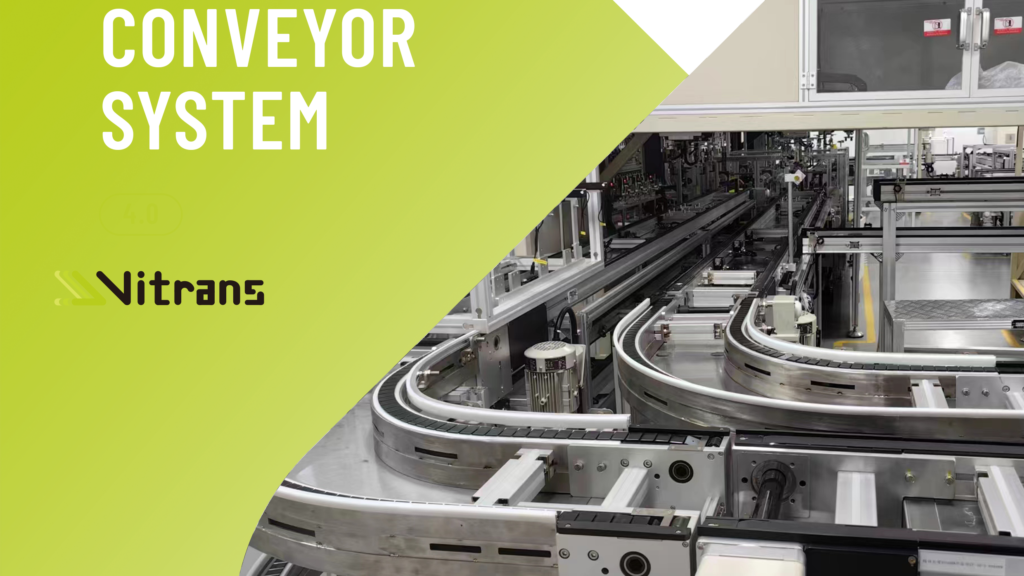
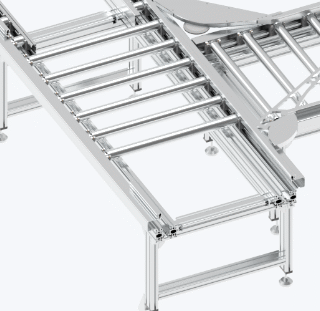
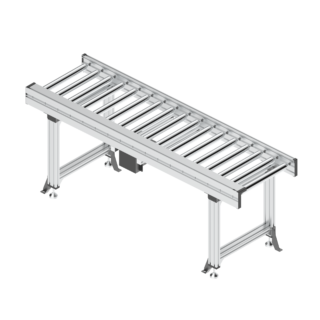
정의: 고정 사양으로 사전 엔지니어링된 대량 생산 컨베이어 시스템.
일반적인 특성:
- 고정 너비(12인치, 18인치, 24인치, 36인치, 48인치)
- 표준 벨트 유형(PVC, PU, 고무)
- 사전 설정된 속도 범위
- 제한된 길이 옵션(모듈식 섹션)
- 기본 프레임 디자인(도장된 탄소강)
- 기성 모터 및 드라이브 조합
장점:
- ✅ Lower upfront cost (30-50% less than custom)
- ✅ Fast delivery (2-4 weeks typical)
- ✅ Proven reliability (designs refined over thousands of units)
- ✅ Easy to replace or expand (standardized parts)
제한 사항:
- ❌ May not fit unique space constraints
- ❌ Limited material compatibility (food-grade, cleanroom, etc.)
- ❌ Cannot optimize for specific product characteristics
- ❌ May require workarounds or modifications post-installation
최적 대상: 일반 자재 취급, 표준 포장 라인, 기존 제품을 보유한 창고, 예산에 민감한 프로젝트.
OEM 맞춤형 컨베이어란 무엇입니까?
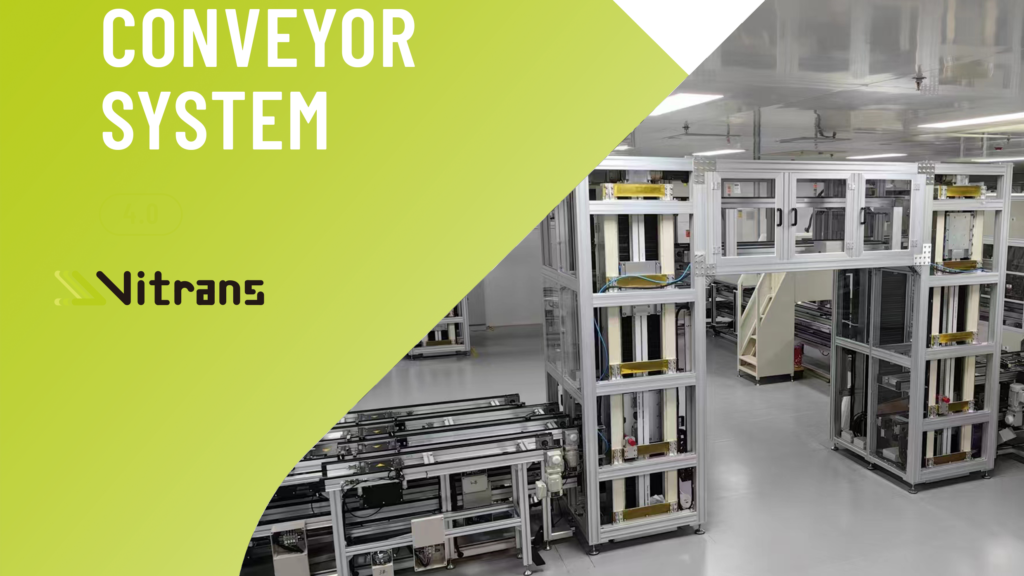
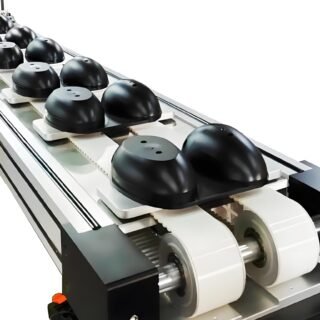
정의: 특정 애플리케이션 요구 사항에 맞게 설계된 주문 제작 시스템입니다.
일반적인 특성:
- 사용자 지정 치수(모든 너비, 길이, 높이)
- 특수 소재(스테인리스 스틸, 식품 등급 플라스틱, 정전기 방지)
- 맞춤형 속도 및 부하 용량
- 기존 장비(로봇, 분류기, 스캐너)와의 통합
- 특수 기능(경사, 하강, 곡선, 이동)
- 산업별 인증(FDA, USDA, 방폭)
장점:
- ✅ Perfect fit for your application
- ✅ Optimized performance and efficiency
- ✅ Seamless integration with existing systems
- ✅ Long-term durability for demanding environments
- ✅ Competitive differentiation (unique capabilities)
제한 사항:
- ❌ Higher upfront cost
- ❌ Longer lead times (6-12 weeks typical)
- ❌ More complex maintenance (specialized parts)
- ❌ Requires detailed engineering collaboration
최적 대상: 특수 산업(식품, 제약, 전자), 독특한 제품 형태, 좁은 공간 제약, 고가 제품, 자동화된 시설.

.1-320x320.png)

섹션 2: 경제적 의사 결정 프레임워크
이 5가지 요소 분석을 통해 고객님의 상황에 맞는 경제적인 옵션을 결정하세요.
요소 1: 총 소유 비용(TCO) 분석
구매 가격만 비교하지 마세요. 5년 TCO를 계산합니다:
| 비용 구성 요소 | 표준 컨베이어 | OEM 맞춤형 컨베이어 |
|---|---|---|
| 구매 가격 | $45,000 | $78,000 |
| 설치 수정 | $8,000(플랫폼 조정이 필요할 수 있음) | $0(적합하도록 설계됨) |
| 제품 손상/폐기물(1년차) | $12,000(불완전 취급) | $2,000(최적화됨) |
| 다운타임 손실(1~5년차) | $25,000(잦은 잼/고장) | $8,000 |
| 에너지 소비량(1~5년차) | $18,000(저효율 모터) | $12,000 |
| 교체 부품(1~5년차) | $6,000 | $4,000 |
| 예상 수명 | 7년 | 12년 이상 |
| 5년 TCO | $114,000 | $104,000 |
이 시나리오에서는 맞춤형 컨베이어는 높은 초기 비용에도 불구하고 5년 동안 $10,000을 절약할 수 있습니다.
귀하의 행동: 수치를 사용하여 나만의 TCO 스프레드시트를 만드세요. 생각해 보세요:
- 수동 해결을 위한 인건비
- 부적절한 취급으로 인한 제품 손실
- 시간당 생산 중단 비용
- 해당 지역의 에너지 요금
- 연간 예상 운영 시간
요소 2: 생산 영향 평가
질문: 표준 컨베이어로 인해 병목 현상이나 품질 문제가 발생하나요?
타협에 따른 비용을 계산합니다:
표준 컨베이어인 경우
- 최적보다 15% 느리게 실행 → 생산 가치 손실: $X/년
- 제품 손상 2% 증가 → 폐기물 비용: $Y/년
- 교대당 3회 수동 개입 필요 → 인건비: $Z/년
- 공간에 맞게 수정 필요 → 설치 비용: $A
계산 예시:
느린 속도: 15% × $200,000 연간 출력 = $30,000/년 손실
제품 손상: 2% × $500,000 제품 가치 = $10,000/년 낭비
수동 개입: 개입 3회 × 15분 × $25/시간 × 250일 = $4,687/년
설치 수정: $8,000 1회

연간 총 손상 비용: $44,687달러
사용자 지정 업그레이드의 투자 회수 기간: ($78,000 - $45,000) / $44,687 = 0.74년(9개월)
결정 규칙: 투자 회수 기간이 2년 미만인 경우 관례가 경제적으로 정당화됩니다.
요인 3: 전략적 중요성
모든 컨베이어가 동일한 것은 아닙니다. 전략적 요소를 고려하세요:
다음과 같은 경우 사용자 지정을 선택합니다:
- 이 컨베이어는 주력/고수익 제품을 처리합니다.
- 프로덕션 흐름에 병목 현상이 발생합니다.
- 제품 품질은 브랜드 평판에 직접적인 영향을 미칩니다.
- 완전 자동화된 “소등” 시설을 구축 중입니다.
- 규정 준수를 위해서는 특정 재료/디자인이 필요합니다.
다음과 같은 경우 표준을 선택합니다:
- 보조/백업 장비입니다.
- 가치가 낮거나 중요하지 않은 제품
- 새 생산 라인을 테스트 중입니다(나중에 변경될 수 있음).
- 예산 제약이 심각한 경우
- 리드 타임은 주요 제약 조건입니다.
전략적 프리미엄: 때로는 중요한 장비에 대해 40%를 더 지불하는 것이 안심하고 위험을 줄이는 데 도움이 될 수 있습니다.
요소 4: 확장성 및 미래 대비
오늘날의 요구 사항 그 이상을 생각하세요:
궁금한 점이 있으면 질문하세요:
- 2~3년 후 생산량이 증가할까요?
- 새로운 제품 크기/유형을 추가할 계획이 있으신가요?
- 자동화(로봇, 비전 시스템)와의 통합이 필요하신가요?
- 규정이 변경되어 다른 자료를 요구할 수 있나요?
사용자 지정 이점: OEM 컨베이어는 다음과 같이 설계할 수 있습니다:
- 추가 용량 헤드룸(현재 요구 사항보다 20-30% 초과)
- 모듈식 확장 포인트
- 향후 자동화와의 호환성
- 업그레이드 가능한 드라이브 및 제어
표준 제한: 요구 사항이 크게 변경되면 완전히 교체해야 할 수도 있습니다.
경제적 영향: $45,000 컨베이어를 3년 안에 교체하는 것은 12년 동안 사용할 수 있는 $78,000 맞춤형 장치를 구매하는 것보다 더 많은 비용이 듭니다.
요인 5: 산업별 요구 사항
일부 산업에서는 기본적으로 맞춤형 솔루션이 필요합니다:
| 산업 | 사용자 정의가 종종 필요한 이유 |
|---|---|
| 식음료 | FDA/USDA 준수, 세척 등급, 스테인리스 스틸, 하치장 없음 |
| 제약 | 클린룸 호환성, 검증 문서화, 추적 가능성 |
| 전자 제품 | ESD 보호, 정밀 취급, 오염 제어 |
| 자동차 | 과부하 용량, 로봇 공학과의 통합, 높은 사이클 내구성 |
| 화학 물질 | 방폭형 모터, 부식 방지 소재, 안전 인터록 |
규정 준수 비용: 규정을 준수하지 않는 표준 장비를 사용하면 다음과 같은 결과가 발생할 수 있습니다:
- 규제 벌금($10,000-$50,000+)
- 시설 폐쇄
- 제품 리콜
- 책임 소송
다음과 같은 경우: 사용자 지정은 선택이 아닌 필수입니다.
섹션 3: 하이브리드 접근 방식: 두 가지의 장점 모두 활용하기
현명한 타협: 하이브리드 전략을 고려하세요:
옵션 A: 표준 기본 + 사용자 지정 수정 사항
- 표준 컨베이어 프레임 및 드라이브 구매
- 맞춤형 벨트 유형, 가이드, 센서 또는 컨트롤 추가하기
- 비용 절감: 전체 사용자 지정 대비 20-30%
- 리드 타임: 4~6주
옵션 B: 단계적 구현
- 즉각적인 필요를 위해 표준 컨베이어로 시작
- 향후 사용자 지정 업그레이드 경로를 고려한 설계
- 18-24개월 내 업그레이드 예산
- 초기 자본 지출 최소화
옵션 C: 유연한 제조업체의 세미 커스텀
- 일부 OEM은 “구성 가능한 표준” 라인을 제공합니다.
- 옵션 메뉴에서 선택(너비, 재질, 속도)
- 풀 커스텀보다 빠르고, 순수 표준보다 유연합니다.
- 예시: Vitrans FlexSeries(4주 리드 타임, 15가지 구성 옵션)
섹션 4: 실제 사례 연구
사례 연구 1: 전자 제조업체(맞춤형 원화)
상황: PCB 조립 라인에는 정밀한 위치 지정이 가능한 ESD 안전 컨베이어가 필요했습니다.
표준 견적: $38,000(추가 ESD 매트 및 수동 취급이 필요함)맞춤 견적: $62,000(통합 ESD, 자동 포지셔닝, 비전 시스템 지원)
분석:
- 정전기로 인한 제품 손상: $18,000/년(추정치)
- 수동 포지셔닝 노동력: $22,000/년
- 맞춤형 투자 회수: ($62,000 - $38,000) / $40,000 = 0.6년
결정: 맞춤형 컨베이어. 7개월 만에 ROI 달성.
사례 연구 2: 창고 유통(표준 원)
상황: 전자상거래 주문 처리를 위한 일반 패키지 분류.
표준 견적: $52,000(24인치 폭, 가변 속도, 모듈식 섹션)맞춤 견적: $89,000(동일 용량, 최적화된 레이아웃)
분석:
- 제품은 내구성이 뛰어난 판지 상자입니다(손상 위험이 낮음).
- 상대적으로 낮은 인건비
- 특별한 규제 요구 사항 없음
- 표준 컨베이어 구성이 가능한 레이아웃
결정: 표준 컨베이어. 운영 영향을 최소화하면서 $37,000을 절약했습니다.
사례 연구 3: 식품 가공(사용자 지정이 필수)
상황: 육류 가공 공장에는 세척이 가능한 컨베이어가 필요했습니다.
표준 견적: $41,000(도장 탄소강, IP54 모터)맞춤 견적: $73,000(304 스테인리스 스틸, IP69K 모터, USDA 승인)
분석:
- 표준 컨베이어는 USDA 검사를 통과하지 못함
- 규정 준수 장비 없이는 시설을 운영할 수 없음
- 규제 위험: 무제한(규정을 준수할 때까지 종료)
결정: 맞춤형 컨베이어. 질문 규정 준수조차도 협상할 수 없습니다.
섹션 5: 의사 결정 매트릭스
이 빠른 참조를 통해 선택에 참고하세요:
| 시나리오 | 권장 사항 | 근거 |
|---|---|---|
| 빠듯한 예산, 일반 목적 | 표준 | 초기 비용 최소화 |
| 고가 또는 깨지기 쉬운 제품 | 사용자 지정 | 손상 손실 감소 |
| 식품/제약/규제 산업 | 사용자 지정 | 규정 준수 요구 사항 |
| 공간 제약 또는 비정상적인 레이아웃 | 사용자 지정 | 적합성 및 통합 |
| 임시 또는 파일럿 프로덕션 | 표준 | 변화에 대한 유연성 |
| 완전 자동화된 시설 | 사용자 지정 | 통합 및 안정성 |
| 신속한 배포 필요(4주 미만) | 표준 | 리드 타임 중요 |
| 전략적 병목 현상 운영 | 사용자 지정 | 처리량 극대화 |
| 낮은 볼륨, 낮은 중요도 | 표준 | 적절한 성능 |
| 향후 자동화 계획 수립 | 사용자 지정 | 미래 대비 |
결론 결론: 감정적 선택이 아닌 경제적 선택
정답은 일반적인 조언이 아니라 여러분의 수치에 따라 달라집니다.
지금 바로 실행하세요:
- 표준 및 사용자 지정 옵션 모두에 대한 견적 받기
- 위의 프레임워크를 사용하여 5년 TCO 모델 구축하기
- 사용자 지정 보험료의 회수 기간 계산하기
- 순수한 경제성 이상의 전략적 요소 고려
- 데이터 기반 의사 결정
기억하세요: 가장 저렴한 컨베이어가 항상 가장 경제적인 것은 아닙니다. 그렇다고 가장 비싼 것이 무조건 최선의 선택도 아닙니다.
액션
특정 애플리케이션을 평가하는 데 도움이 필요하신가요? Vitrans는 영업에 대한 부담 없이 무료 엔지니어링 상담을 제공합니다. 고객의 요구 사항을 분석하고 표준 및 맞춤형 옵션을 제공하며 정직한 ROI 예상치를 제시하여 비즈니스에 가장 적합한 결정을 내릴 수 있도록 도와드립니다.
📧 이메일: qingsong.xu@vitrans.cn📞 전화: +86 18027652537🌐 Website: www.vitrans-conveyor.com
다운로드: https://www.vitrans-conveyor.com/rd-labs/technical-papers/