

Tóm tắt
Đầu tư vào một xích linh hoạt băng tải Đây là một quyết định quan trọng, ảnh hưởng đến hiệu quả sản xuất, chất lượng sản phẩm và lợi nhuận của quý vị trong nhiều năm tới. Với hàng chục nhà sản xuất, hàng trăm tùy chọn cấu hình và mức giá chênh lệch lên đến 300%, việc lựa chọn hệ thống phù hợp có thể khiến quý vị cảm thấy bối rối.
Cẩm nang mua hàng toàn diện này tổng hợp hơn 10 năm kinh nghiệm sản xuất của Vitrans vào 7 yếu tố quan trọng Bạn cần xem xét kỹ trước khi mua một hệ thống băng tải xích linh hoạt.
Danh sách kiểm tra nhanh:
- ✅ Xác định các đặc điểm của sản phẩm (kích thước, trọng lượng, hình dáng)
- ✅ Tính toán công suất và tốc độ cần thiết
- ✅ Đánh giá nhu cầu về tính linh hoạt trong bố cục
- ✅ Đánh giá tính tương thích giữa xích và vật liệu
- ✅ Xem xét các tùy chọn hệ thống truyền động
- ✅ Xem xét việc tích hợp và các biện pháp kiểm soát
- ✅ Phân tích tổng chi phí sở hữu (không chỉ giá mua)
Khi kết thúc hướng dẫn này, bạn sẽ có đủ kiến thức để lựa chọn hệ thống băng tải xích linh hoạt phù hợp nhất cho ứng dụng của mình — đồng thời tránh được những sai lầm tốn kém.
-
 Xích thép không gỉ dẻo
 -
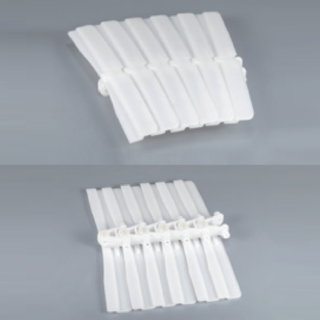 Dây xích linh hoạt rộng 295 mm
 -
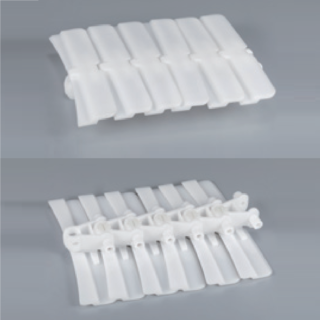 Dây xích linh hoạt có chiều rộng 175mm
 -
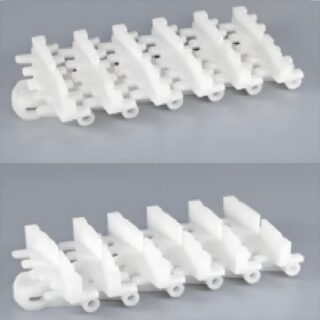 Chiều rộng 103mm, xích linh hoạt
 -
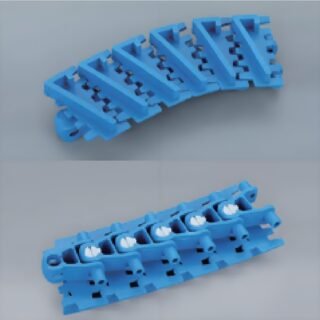 Dây xích mềm có chiều rộng 83 mm
 -
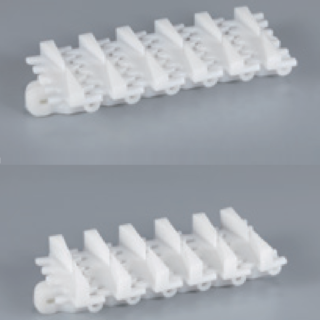 Chiều rộng 63mm, xích linh hoạt
 -
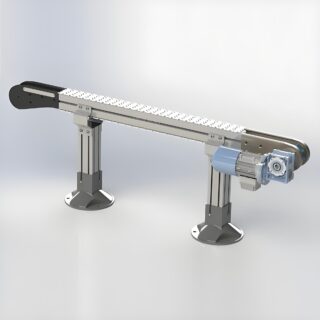 Băng tải xích mềm Vitrans
 -
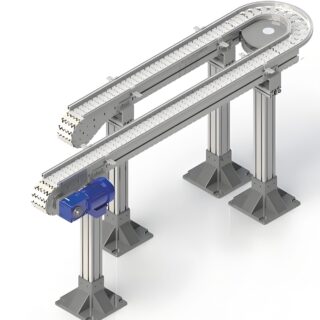 Hệ thống băng tải xích linh hoạt Vitrans | Hệ thống băng tải pallet linh hoạt
 -
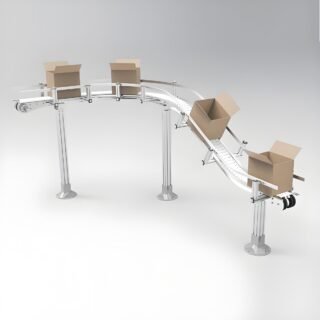 Hệ thống băng tải xích linh hoạt Vitrans | Hệ thống băng tải trượt
Mục lục
- Băng tải xích linh hoạt là gì?
- Yếu tố 1: Đặc điểm sản phẩm
- Yếu tố 2: Yêu cầu về công suất và tốc độ
- Yếu tố 3: Tính linh hoạt trong bố trí
- Yếu tố 4: Loại xích và chất liệu
- Yếu tố 5: Hệ thống truyền động & Công suất
- Yếu tố 6: Tích hợp và Kiểm soát
- Yếu tố 7: Tổng chi phí sở hữu
- Những sai lầm thường gặp cần tránh
- Công cụ lựa chọn Vitrans
- Câu hỏi thường gặp
- Nhận báo giá riêng cho bạn
1. Băng tải xích linh hoạt là gì?
Định nghĩa
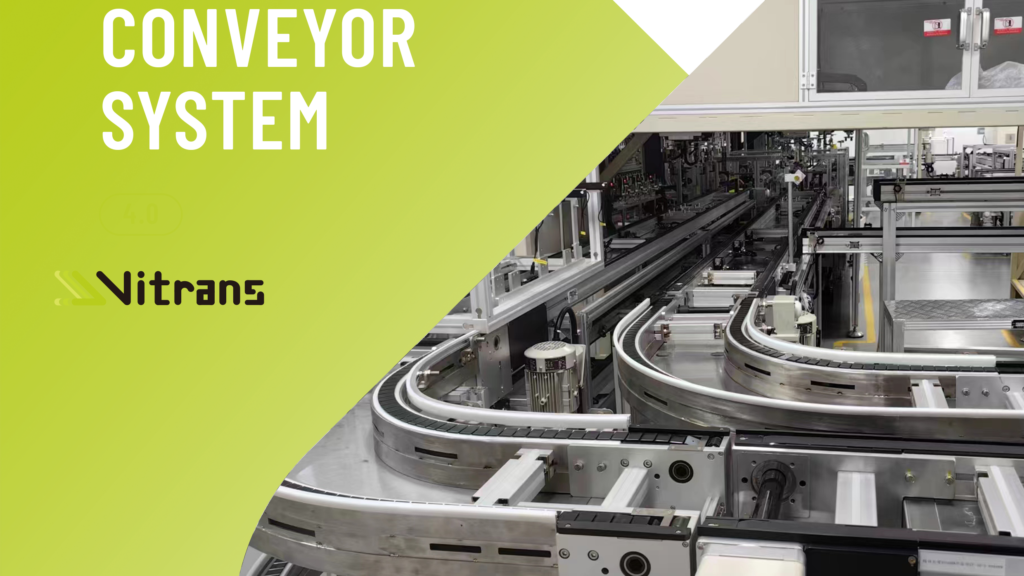
MỘT xích linh hoạt băng tải (còn được gọi là băng tải xích linh hoạt, băng tải xích mô-đun hoặc băng tải xích nhựa) sử dụng các mắt xích nhựa khớp nối với nhau để tạo thành bề mặt vận chuyển có thể di chuyển qua các đoạn cong ngang, đoạn dốc lên và dốc xuống — khác với các loại băng tải đai hoặc băng tải con lăn truyền thống.
Những lợi thế độc đáo
✅ Chuyển động đa hướng – Di chuyển qua các ngã rẽ mà không cần qua trạm trung chuyển✅ Độ ổn định của sản phẩm – Bề mặt chứa đồ chắc chắn giúp ngăn các vật dụng nhỏ rơi ra ngoài✅ Thiết kế hợp vệ sinh – Dễ dàng vệ sinh và khử trùng, sử dụng vật liệu được FDA phê duyệt✅ Hoạt động êm ái – Ma sát giữa các bề mặt nhựa là rất nhỏ✅ Mô-đun & Có thể mở rộng – Dễ dàng thêm hoặc xóa các phần
Các ứng dụng điển hình
| Ngành công nghiệp | Đơn đăng ký | Tại sao lại là xích linh hoạt? |
|---|---|---|
| Đồ uống | Hệ thống vận chuyển chai/lon | Đường cong, sự tích tụ, sự xử lý nhẹ nhàng |
| Chế biến thực phẩm | Dây chuyền đóng gói | Vệ sinh, rửa trôi, độ ổn định của sản phẩm |
| Dược phẩm | Đóng gói theo thùng | Phòng sạch, định vị chính xác |
| Mỹ phẩm | Đóng gói và đóng nắp | Vận chuyển êm ái, không gây trầy xước |
| Logistics | Hệ thống phân loại | Định tuyến đa hướng |
Yếu tố 1: Đặc điểm sản phẩm
Kích thước và trọng lượng sản phẩm
| Đo lường | Tại sao điều này lại quan trọng | Tác động đến thông số kỹ thuật |
|---|---|---|
| Chiều dài × Chiều rộng × Chiều cao | Xác định chiều rộng băng tải và chiều cao thanh dẫn bên | Sản phẩm phải có ít nhất 3 dây đai đỡ |
| Cân nặng | Ảnh hưởng đến độ bền của xích, công suất động cơ và thiết kế khung xe | Nhẹ (10kg) |
| Mặt dưới | Ảnh hưởng đến loại xích và ma sát | Phẳng, có gân, lõm, không đều |
Các yếu tố cần lưu ý về nhiệt độ
| Phạm vi nhiệt độ | Chất liệu xích được khuyến nghị |
|---|---|
| -40°C đến 0°C | Polypropylene (PP) có chứa chất phụ gia chịu lạnh |
| 0°C đến 80°C | POM tiêu chuẩn (Acetal) |
| 80°C đến 150°C | POM hoặc PPS chịu nhiệt độ cao |
| 150°C đến 250°C | PEEK (đắt tiền nhưng cần thiết) |
⚠️ Câu hỏi then chốt: Băng tải của quý vị có hoạt động trong điều kiện nhiệt độ khắc nghiệt không? Các loại xích tiêu chuẩn sẽ nhanh chóng hỏng hóc nếu hoạt động ngoài phạm vi nhiệt độ định mức.
Yếu tố 2: Yêu cầu về công suất và tốc độ
Tính toán công suất cần thiết
Công thức:
Công suất (đơn vị/giờ) = (3600 × Tốc độ dây chuyền) / (Chiều dài sản phẩm + Khoảng trống)
Phạm vi tốc độ theo ứng dụng
| Đơn đăng ký | Phạm vi tốc độ thông thường | Ghi chú |
|---|---|---|
| Nhà máy đóng chai/Nhà máy đóng hộp | 15–60 m/phút | Dây chuyền chiết rót tốc độ cao |
| Vận chuyển thùng | 10–30 m/phút | Tải trọng lớn hơn, tốc độ chậm hơn |
| Tích lũy | 5–20 m/phút | Xếp hàng có kiểm soát |
| Lắp ráp chính xác | 2–10 m/phút | Yêu cầu định vị chính xác |
💡 Mẹo chuyên nghiệp: Quy mô đáp ứng nhu cầu cao điểm, với dư địa 20% để phục vụ cho sự phát triển trong tương lai.
Yếu tố 3: Tính linh hoạt trong bố trí
Các tính năng của đường cong
| Loại đường cong | Bán kính tối thiểu | Các ứng dụng điển hình |
|---|---|---|
| Đường cong 30° | 300–600 mm | Những thay đổi nhỏ về hướng |
| Đường cong 45° | 300–600 mm | Các khúc cua vừa phải |
| Góc cong 90° | 450–900 mm | Thanh điều hướng góc |
| Quay đầu 180° | 600–1.200 mm | Vòng lặp lặp lại, tối ưu hóa không gian |
Giới hạn độ dốc lên/xuống
| Loại xích | Độ dốc tối đa | Yêu cầu |
|---|---|---|
| Đỉnh phẳng | 15° | Xích ma sát cao hoặc răng xích |
| GripTop (bề mặt nhám) | 25° | Cải thiện độ bám dính của sản phẩm |
| Có gai | 35° | Tỷ lệ giữ chân khách hàng cao |
Yếu tố 4: Loại xích và lựa chọn vật liệu
Các vật liệu thường dùng cho xích
| Vật liệu | Phạm vi nhiệt độ | Tốt nhất cho | Trị giá |
|---|---|---|---|
| POM (Acetal) | -40°C đến +100°C | Dùng cho mục đích chung, đạt tiêu chuẩn an toàn thực phẩm | $$ |
| PP (Polypropylene) | 0°C đến +80°C | Khả năng chống hóa chất, ngân sách | $ |
| PPS | -50°C đến +180°C | Các ứng dụng ở nhiệt độ cao | $ |
| PEEK | -80°C đến +260°C | Điều kiện khắc nghiệt, y tế | $$ |
Các hoa văn bề mặt xích
| Mẫu | Sự miêu tả | Tốt nhất cho |
|---|---|---|
| Đỉnh phẳng | Bề mặt nhẵn | Vận chuyển thông thường, sản phẩm ổn định |
| GripTop | Bề mặt có hoa văn | Đường dốc, sản phẩm trơn trượt |
| Xả nước Lưới | Mẫu lưới hở | Hệ thống thoát nước, luồng không khí, làm mát |
| Có gai | Các đường gân nổi | Độ dốc lớn, hiện tượng tách lớp sản phẩm |
| Cử động nghiêng sang hai bên | Các khớp nối | Các khúc cua có bán kính nhỏ |
Yếu tố 5: Hệ thống truyền động và yêu cầu về công suất
So sánh các loại động cơ
| Loại động cơ | Ưu điểm | Nhược điểm | Tốt nhất cho |
|---|---|---|---|
| Động cơ cảm ứng xoay chiều | Hiệu quả về chi phí, đáng tin cậy | Tốc độ cố định (cần biến tần) | Ứng dụng tiêu chuẩn |
| Động cơ giảm tốc | Nhỏ gọn, đã được ghép đôi sẵn | Ít linh hoạt hơn | Băng tải độc lập |
| Servo | Điều khiển vị trí chính xác | Chi phí cao hơn | Lập chỉ mục, đồng bộ hóa |
| Không chổi than DC | Tiết kiệm năng lượng, hoạt động êm ái | Cài đặt phức tạp | Các công trình lắp đặt mới |
Khi VFD là yếu tố không thể thiếu
- Nhiều loại sản phẩm với các tốc độ khác nhau
- Đồng bộ hóa với các thiết bị ở phía trên/phía dưới
- Tăng tốc từ từ đối với các sản phẩm dễ vỡ
- Yêu cầu về điều chỉnh tốc độ từ xa
Yếu tố 6: Tích hợp và Kiểm soát
Các cấp độ của hệ thống điều khiển
| Cấp độ | Sự miêu tả | Tốt nhất cho |
|---|---|---|
| Cấp độ 1: Bật/Tắt cơ bản | Các nút Bắt đầu/Dừng đơn giản | Các dây chuyền độc lập, vận hành thủ công |
| Cấp độ 2: Tốc độ điều chỉnh được | Biến tần (VFD) có giao diện người dùng (HMI) tại chỗ | Các thao tác trên một dòng |
| Cấp độ 3: PLC Được kiểm soát | Logic lập trình, cảm biến | Dây chuyền tự động |
| Cấp độ 4: SCADA/MES | Giám sát toàn nhà máy, OEE | Tích hợp doanh nghiệp |
Các giao thức truyền thông
Đảm bảo tính tương thích với các hệ thống hiện có:
- Profibus/Profinet: Thiết bị châu Âu
- EtherNet/IP: Hệ sinh thái Allen-Bradley
- ModbusTCP: Phổ biến, đơn giản
- CC-Link: Hệ thống Mitsubishi
Yếu tố 7: Tổng chi phí sở hữu (TCO)
Các thành phần chi phí trong 10 năm
| Loại chi phí | % của TCO | Ghi chú |
|---|---|---|
| Lần mua đầu tiên | 25-35% | Băng tải, động cơ, hệ thống điều khiển |
| Cài đặt | 10-15% | Công việc thi công, lắp đặt, vận hành thử |
| Tiêu thụ năng lượng | 15-20% | Tiêu thụ điện trong 10 năm |
| Bảo trì | 15-20% | Phụ tùng, chi phí nhân công, thời gian ngừng hoạt động |
| Thay thế xích | 10-15% | Thường được thay thế 2-3 lần |
| Chi phí do thời gian ngừng hoạt động | 10-25% | Sản lượng bị mất (thường bị bỏ qua!) |
So sánh giá: Gói tiết kiệm vs. Gói cao cấp vs. Vitrans
Kịch bản: Băng tải xích linh hoạt dài 30 mét, loại tải trung bình
| Cấp độ nhà cung cấp | Giá mua | Tuổi thọ dự kiến | Bảo trì hàng năm | Tổng chi phí sở hữu (TCO) trong 10 năm |
|---|---|---|---|---|
| Giá rẻ (hàng Trung Quốc không nhãn hiệu) | $8,000 | 5 năm | $2,500 | $43,000 |
| Vitrans (Trung Quốc) | $14,000 | Hơn 10 năm | $1,200 | $28,000 |
| Hạng cao cấp (thương hiệu châu Âu) | $28,000 | Hơn 15 năm | $800 | $40,000 |
💡 Nhận định chính: Lựa chọn rẻ nhất thường tốn thêm 50%+ trong vòng 10 năm do phải thay thế sớm và chi phí bảo trì cao hơn.
Những sai lầm thường gặp cần tránh
❌ Sai lầm 1: Chọn băng tải có kích thước quá nhỏ
Vấn đề: Chọn chiều rộng tối thiểu để tiết kiệm chi phíHậu quả: Sản phẩm bị kẹt, hư hỏng mép, dừng máy thường xuyênGiải pháp: Chừa khoảng trống 50–100 mm ở mỗi bên
❌ Sai lầm 2: Bỏ qua các sản phẩm trong tương lai
Vấn đề: Thiết kế chỉ dành cho sản phẩm hiện tạiHậu quả: Chi phí nâng cấp cao khi mở rộng dòng sản phẩmGiải pháp: Tăng thêm công suất và chiều rộng lên 20%
❌ Sai lầm 3: Bỏ qua các vùng tích lũy
Vấn đề: Không có bộ đệm giữa các máyHậu quả: Toàn bộ dây chuyền sẽ ngừng hoạt động khi một máy gặp sự cốGiải pháp: Thêm các đoạn tích lũy dài 2–3 mét
❌ Sai lầm 4: Sử dụng dây xích rẻ tiền cho các đoạn dây quan trọng
Vấn đề: Sử dụng chuỗi cung ứng chi phí thấp nhất để cắt giảm ngân sáchHậu quả: Xích bị giãn, đứt, thời gian ngừng hoạt động ngoài dự kiếnGiải pháp: Đầu tư vào xích cao cấp cho các đường dây chính
❌ Sai lầm thứ 5: Khó tiếp cận để bảo trì
Vấn đề: Băng tải được lắp đặt quá gần tườngHậu quả: Không thể thực hiện bảo trì định kỳGiải pháp: Đảm bảo lối đi rộng 600 mm
Công cụ lựa chọn băng tải xích linh hoạt Vitrans
Danh sách kiểm tra nhanh
Bước 1: Thông tin sản phẩm
- Kích thước sản phẩm: ___ × ___ × ___ mm
- Trọng lượng sản phẩm: ___ kg
- Nhiệt độ hoạt động: ___°C đến ___°C
Bước 2: Công suất
- Công suất yêu cầu: ___ đơn vị/giờ
- Tốc độ dây chuyền: ___ m/phút
Bước 3: Bố cục
- Tổng chiều dài: ___ mét
- Số đoạn cong: ___ (góc: ________)
- Độ dốc lên/xuống: ___°
Bước 4: Môi trường
- Indoor/outdoor: ________________
- Cần rửa sạch: Có/Không
Bước 5: Ngân sách và tiến độ
- Ngân sách dự kiến: $________________
- Cần giao hàng trước ngày: ________________
👉 Hãy liên hệ với Vitrans cùng danh sách kiểm tra của bạn
Câu hỏi thường gặp
Câu hỏi 1: Thông thường, một sợi xích linh hoạt có tuổi thọ bao lâu?
MỘT: Nếu được bảo dưỡng đúng cách, xích POM có thể sử dụng được từ 2 đến 5 năm trong điều kiện bình thường. Các ứng dụng ở nhiệt độ cao hoặc trong môi trường có tính mài mòn có thể làm giảm tuổi thọ xuống còn 1 đến 2 năm. Việc vệ sinh thường xuyên và kiểm tra độ căng sẽ giúp kéo dài tuổi thọ tối đa.
Câu hỏi 2: Băng tải xích linh hoạt có thể vận chuyển các sản phẩm ướt hoặc dính dầu không?
MỘT: Đúng vậy! Hãy chọn lưới phẳng hoặc xích đục lỗ để thoát nước. Chất liệu POM có khả năng chống dầu mỡ và hầu hết các hóa chất. Đối với các ứng dụng cần rửa thường xuyên, hãy yêu cầu khung bằng thép không gỉ và động cơ đạt tiêu chuẩn IP65.
Câu hỏi 3: Sự khác biệt giữa xích uốn cong bên và xích tiêu chuẩn là gì?
MỘT: Xích uốn ngang có các mắt xích có khớp nối cho phép uốn cong sang hai bên, giúp thực hiện các khúc cua có bán kính nhỏ hơn. Loại xích này đắt hơn 30-50% nhưng giúp tiết kiệm diện tích sàn.
Câu hỏi 4: Tôi có cần bôi trơn xích mềm không?
MỘT: Hầu hết các loại xích linh hoạt hiện đại đều hoạt động trong điều kiện khô (không bôi trơn). Việc bôi trơn có thể thu hút bụi bẩn và gây mài mòn sớm. Ngoại lệ: Một số dây chuyền đóng chai tốc độ cao sử dụng hệ thống phun nước để làm mát.
Câu hỏi 5: Thời gian sản xuất cho các hệ thống băng tải xích linh hoạt theo yêu cầu là bao lâu?
MỘT: Các cấu hình tiêu chuẩn: 3–4 tuần. Thiết kế theo yêu cầu: 5–8 tuần. Vitrans cung cấp dịch vụ sản xuất nhanh (2 tuần) cho các dự án khẩn cấp với mức phụ phí 15–20%.
Nhận báo giá riêng từ Vitrans
🎁 Tư vấn miễn phí bao gồm:
✅ Xem xét đơn đăng ký – Đề xuất cấu hình tối ưu✅ Bản vẽ bố trí CAD – Hình ảnh hóa 2D/3D✅ Báo giá chi tiết – Bảng giá chi tiết kèm theo tiến độ✅ Mẫu chuỗi – Bộ mẫu miễn phí để đánh giá✅ So sánh với đối thủ – Phân tích giá cả và tính năng
📞 Liên hệ với Vitrans ngay hôm nay
E-mail: sales@vitrans.com
💼 Tại sao hơn 500 doanh nghiệp đã lựa chọn Vitrans:
- 🏭 Hơn 10 năm kinh nghiệm chuyên môn
- 💰 40-60% Tiết kiệm chi phí so với các thương hiệu châu Âu/Mỹ
- ⚡ Giao hàng nhanh chóng: 3-4 tuần (thời gian tiêu chuẩn)
- 🔧 Tùy chỉnh hoàn toàn
- 🌍 Hỗ trợ cài đặt toàn cầu
- 📜 Chứng nhận CE, ISO 9001, FDA